What to Do If Your Passport is Lost or Stolen While Abroad


Destination (from India)
Dates of Travel (optional)
Introduction
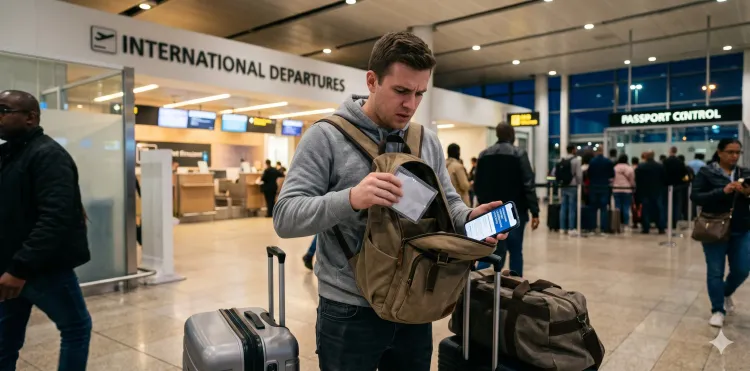
A passport is more than just a travel document. It is a traveller’s primary form of identification, a requirement for crossing borders, checking into accommodation, and in some cases, even exchanging currency. When it is lost or stolen during international travel, the emotional impact is immediate: panic, helplessness, and fear of being stranded. The logistical complications soon follow—missed flights, cancelled bookings, and delays that can derail entire travel plans.
Understanding what to do if your passport is lost abroad is therefore not just helpful; it is essential. Whether misplaced in a hotel room, taken during a scam, or stolen from a bag in a crowded marketplace, the response must be swift and informed. Embassies and consulates across the world are equipped to assist in such situations, but navigating the process requires clarity and preparation.
This article will walk through every step—how to report a missing passport, how to apply for an emergency travel document, and the formalities of replacing a stolen passport overseas. It will also address passport lost during international travel scenarios and offer actionable tips for prevention and recovery.
A passport is more than just a travel document. It is a traveller’s primary form of identification, a requirement for crossing borders, checking into accommodation, and in some cases, even exchanging currency. When it is lost or stolen during international travel, the emotional impact is immediate: panic, helplessness, and fear of being stranded. The logistical complications soon follow—missed flights, cancelled bookings, and delays that can derail entire travel plans.
Understanding what to do if your passport is lost abroad is therefore not just helpful; it is essential. Whether misplaced in a hotel room, taken during a scam, or stolen from a bag in a crowded marketplace, the response must be swift and informed. Embassies and consulates across the world are equipped to assist in such situations, but navigating the process requires clarity and preparation.
This article will walk through every step—how to report a missing passport, how to apply for an emergency travel document, and the formalities of replacing a stolen passport overseas. It will also address passport lost during international travel scenarios and offer actionable tips for prevention and recovery.
Immediate Actions to take on Realising Your Passport is Missing
If you’ve lost your passport abroad, what to do next might feel overwhelming—but staying calm and acting quickly can make a big difference. Here’s a practical guide to help you take control of the situation.
1. Don’t Panic—Retrace Your Steps
It’s easy to panic when your passport goes missing, but remember: this is a common travel problem and can be resolved with the right steps. First, take a deep breath and retrace your steps. Check all bags, jacket pockets, safes, drawers, and even under the bed in your hotel room—many travellers find their passport in a spot they simply overlooked.
2. Ask Around and Check Lost & Found
Speak to your travel companions in case someone picked it up for you. Then, contact hotel staff, receptionists, or transport officials (airport, train, taxi services) to ask if a passport has been handed in. Many passports are recovered at hotel lobbies or security desks.
3. Visit the Nearest Police Station
Once you're sure it’s missing, go to the local police station and file an official report. This is a crucial step when a passport is lost during international travel. A police report acts as official proof and is often required to get an emergency travel document or claim travel insurance. Take any helpful documents like a photocopy of your passport, travel tickets, or ID cards. These can make it easier to fill out the report. Be sure to note:
When and where the passport was lost or stolen
Passport details (number, place of issue, etc.)
Your contact information and travel plans
Request a copy of the police report—it’s essential for replacing a stolen passport overseas and for any embassy appointment.
4. Contact Your Embassy or Consulate
After filing the report, your next step is to visit or call your country’s embassy or consulate. This is your official lifeline abroad when facing a passport lost during international travel.
Use the official government website of your country to find the nearest diplomatic mission. You can also rely on trusted travel apps like Smart Traveller, TripIt, or the “Embassy Finder” tool available on most foreign ministry websites. Many embassies also list emergency contact numbers for 24/7 assistance, which is useful if the loss occurs outside regular office hours. They’ll guide you through applying for an emergency travel document or, in some cases, a full replacement passport.
What You’ll Need to Provide
When you reach the embassy or consulate, you’ll be asked to submit the following:
A copy of any form of ID (e.g., driving licence, Aadhaar, PAN, or previous passport photocopy)
Recent passport-sized photographs (ensure they meet official specifications)
A copy of the police report filed at the local station
Travel details such as your itinerary, visa copies (if applicable), and return ticket
Bringing as much documentation as possible will smooth the process and help officials verify your identity more quickly.
Knowing how to replace a stolen passport overseas can take the edge off what feels like a crisis. With the right documentation and a calm approach, you’ll be able to get a temporary passport and continue your journey with minimal disruption.
Emergency Travel Document vs. Passport Replacement
When you lose your passport during international travel, one of the most critical tools to help you return home is the Emergency Certificate (EC). This document is issued by your country’s embassy or consulate abroad and acts as a temporary travel document that allows you to re-enter your home country.
Unlike a passport, the Emergency Certificate does not permit onward travel to other international destinations. Its purpose is strictly repatriation—getting you safely back home. The EC is typically valid for a single journey and only for a limited time.
If you're staying longer, or need a full replacement, you’ll need to apply for a new passport, which may take several working days depending on your location, background checks, and availability of biometric data.
After Receiving Your New Passport or Emergency Travel Document - What Next?
Once you’ve received your replacement passport or an emergency travel document, your journey is not over yet. From navigating immigration to managing bookings and reissuing visas, here’s what to expect and how to handle it.
Rebooking Missed Flights or Trains
If your original travel plans were disrupted due to a passport lost during international travel, contact your airline or railway provider immediately. Many offer rebooking for a fee—some even waive it under compassionate grounds if you present a police report and proof of passport loss. If you booked a flexible ticket, you’ll likely be able to reschedule without extra charges.
Use this moment to explore whether your travel insurance covers costs related to delays caused by a lost passport. Some providers reimburse missed connections, hotel rebooking’s, or even reissue fees—especially if the passport was stolen.
Dealing with Immigration Officials Without a Passport
Before your new documents are issued, if you need to travel domestically or cross checkpoints (such as at airports or during hotel stays), always carry:
A copy of your police report
Any ID you still have
Embassy/consulate acknowledgement of passport replacement in progress
If you already have an emergency travel document, most border officials will accept it for exit—but not for further international travel. Always check entry requirements of your destination before proceeding.
Getting Visas Reissued
If your lost passport contained valid visas, you may need to reapply or request a reissue. Some embassies provide expedited replacement if you show:
A police report
A copy of the old visa (email records help)
Travel confirmation showing continued need for entry
Hotel Check-ins and Local Travel
Hotel check-ins often require a passport. If yours is lost:
Use your emergency travel document and police report as substitutes.
Show a copy of your previous passport, if available.
If booking a new stay, call the hotel in advance and explain your situation. Many will accommodate you with alternative ID verification.
Some platforms like Booking.com or Airbnb allow check-ins with digital IDs or passport copies. Always keep digital scans of key documents uploaded to a secure cloud drive.
How Travel Insurance Handles Passport Loss
If your insurance includes “loss of travel documents,” you may be eligible for reimbursements related to:
● Passport replacement costs
● Rebooking fees for missed travel
● Hotel stays while waiting for new documents
Most policies require:
● A police report
● Receipts for new passport or travel bookings
● Evidence the loss disrupted your journey
Check your provider’s fine print and begin the claims process promptly. A few insurers now offer digital claims via mobile apps, making the process more efficient during stressful travel disruptions.
How to Avoid Losing Your Passport While Travelling
A lost passport during international travel can cause enormous stress, delays, and financial setbacks. Fortunately, a few simple precautions can significantly reduce the risk. Whether you're backpacking through Europe or attending a business conference overseas, safeguarding your most important document should be part of your travel safety routine.
1. Keep It Secure—But Not Always on You
While it may feel safer to carry your passport at all times, this actually increases the risk of losing it—especially in crowded tourist hotspots where pickpocketing is common. Instead, keep your passport locked in a hotel safe or a secure, concealed travel pouch when not in use.
If you do need to carry it—such as during immigration or ID checks—store it in a zippered inner pocket, an RFID-blocking neck wallet, or a money belt. Avoid keeping it in your back pocket or unsecured bags.
2. Use Dedicated Passport Holders and Trackers
Investing in a designated passport holder can make a big difference. Look for features like:
● RFID protection to block digital theft,
● A slot for your boarding pass or ID,
● Bright colours or unique covers for easy visibility.
Additionally, some travellers now use Bluetooth-enabled luggage tags or tiny tracking devices like Apple AirTags inside passport pouches. While these won't prevent loss, they may help locate your passport if it’s left behind or taken.
3. Limit Handling and Exposure
Reduce how often you take your passport out. If you don’t need it for the day, leave it in your hotel’s locker. When flying, avoid handling it unnecessarily at restaurants, shops, or restrooms in transit zones. The more often it's handled, the higher the risk of misplacing it.
4. Create a Checklist and Routine
Many lost passport incidents occur due to simple forgetfulness—like leaving it behind at airport security or in a taxi. Developing a “final sweep” checklist before leaving your accommodation, plane, or venue helps create a habit. Train yourself to double-check your passport’s location every time you move locations.
5. Another Hack
Consider carrying a laminated copy of your passport’s ID page for situations where an official might ask for ID but you’d prefer not to risk carrying the original. This won’t be accepted for travel, but can satisfy low-level checks like hotel registrations or booking verifications in some countries.
Conclusion
Losing your passport while travelling abroad is undoubtedly a distressing experience—but it doesn’t have to derail your entire journey. Whether your passport was misplaced or stolen, acting quickly and methodically is key to minimising disruption. From retracing your steps and filing a police report to contacting your country’s embassy or consulate, each step helps you regain control over the situation.
Ultimately, being prepared is the best defence. Keeping copies of your passport and important documents, knowing where the nearest consulate is, and having access to emergency contact numbers are small steps that can make a big difference in a crisis in knowing how to replace a stolen passport overseas. While a lost passport is inconvenient, it is a solvable problem—and with the right knowledge and response, you can continue your travels or return home safely and confidently.
FAQ
Should I notify my home country’s immigration department about the lost passport?
Yes. In many countries, it's recommended or even required to inform the immigration department or passport authority back home.
Can someone misuse my lost or stolen passport for identity theft?
Absolutely. A passport contains sensitive personal data that can be exploited for identity fraud, illegal border crossings, or financial scams. Reporting it to both the police and your embassy ensures it is invalidated as soon as possible.
Is there a charge to get an emergency certificate or temporary passport?
Yes, most countries charge a fee for issuing an emergency travel document or replacement passport. These charges vary by country and urgency, so check with the local embassy or consulate. Additional charges may apply for passport photos or expedited service.
How can I prepare for this situation before travelling?
Before departure, make digital and physical copies of your passport and travel documents. Store them separately from the originals. Also, note down the addresses and emergency numbers of your country’s embassies in the countries you’re visiting. Consider uploading important documents to a secure cloud drive for easy access.
Other topics
Explore and Discover

Documents Required for Indian Passport
Tuesday, Jul 1, 2025
Essential paperwork needed to apply for or renew an Indian passport.
ECR vs Non-ECR Passports
Friday, Feb 7, 2025
Explaining the differences between Emigration Check Required (ECR) and Non-ECR passports for Indians.

Types of Passports in India
Friday, Feb 7, 2025
Overview of the various passport categories issued by the Indian government.