Dark Tourism: Why Travellers Are Visiting Historic Tragedy Sites More Than Ever


Destination (from India)
Dates of Travel (optional)
The Psychological Appeal of Dark Tourism
Human curiosity about death and tragedy
Human curiosity about death, tragedy, and the unusual strongly motivates individuals to engage in Dark Tourism. Many are drawn to explore the unknown and taboo, seeking to understand the darker chapters of human history and existence. This curiosity is often both intellectual—fuelled by a desire to learn—and emotional, as travellers attempt to comprehend the pain and suffering of others. Studies have confirmed that curiosity plays a central role in attracting visitors to Historic Tragedy Sites, closely linked with a quest for meaning and understanding.
The role of empathy and reflection in visiting tragic sites
Many visitors to Dark Tourism Destinations experience powerful emotional responses such as empathy and introspection. These sites often evoke a deep connection to the victims of historical tragedies, creating opportunities for compassion and reflection. By encouraging reflection on suffering, survival, and human resilience, these experiences can promote personal growth and emotional awareness. Visitors frequently report developing a stronger sense of shared humanity and gaining perspective on contemporary global issues.
The fascination with the macabre and the unknown
A notable psychological driver behind Dark Tourism is the fascination with the macabre and the unknown. Some individuals seek the thrill of confronting fear or exploring the boundaries between life and death. The allure of haunted locations, disaster zones, or sites associated with paranormal activity provides an intense, emotionally charged experience. These visitors often describe the excitement of engaging with death and tragedy as a way of affirming life and confronting their own mortality.
Popular Dark Tourism Destinations Around the World
Many globally recognised Historic Tragedy Sites serve as prominent Dark Tourism Destinations, offering sombre yet powerful insights into human history. These Dark Tourism Destinations attract millions due to their educational, emotional, and cultural significance. Visitors often seek to pay tribute to victims, understand historical events first-hand, and engage with memorials that honour resilience. The authenticity of the sites, combined with artefacts, guided tours, and survivor stories, makes them deeply impactful and unforgettable experiences.
Some of the most visited sites include:
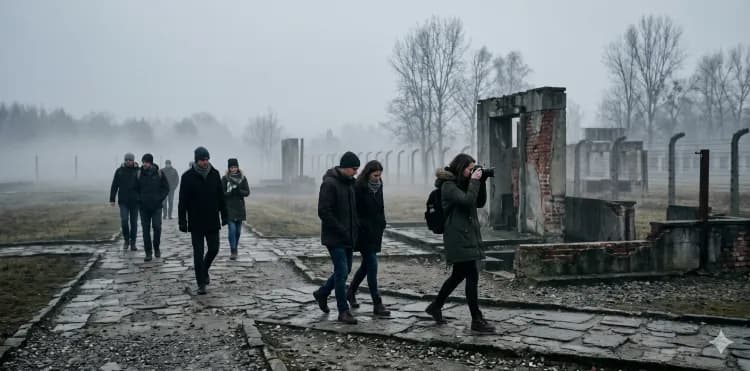
● Auschwitz, Poland: A former Nazi concentration and extermination camp, Auschwitz stands as a chilling symbol of genocide and human cruelty. The preserved barracks, personal belongings, and powerful exhibitions allow visitors to confront the horrors of the Holocaust, prompting solemn reflection on prejudice, intolerance, and the consequences of blind ideology. Auschwitz shares harrowing accounts of systematic persecution, resilience, and remembrance, warning against future atrocities.
● Chernobyl, Ukraine: The site of the 1986 nuclear disaster, Chernobyl's exclusion zone draws those curious about the lasting impact of radiation, human error, and environmental neglect. The eerie, abandoned city of Pripyat, overgrown by nature, serves as a haunting reminder of life abruptly halted by disaster. Chernobyl tells the story of human error and environmental fallout, offering lessons in science, politics, and survival.
● Ground Zero, New York: The site of the 9/11 terrorist attacks now houses a deeply moving memorial and museum. Visitors experience first-hand the emotional magnitude of the event, with exhibits featuring victims’ stories, remnants of the Twin Towers, and tributes to first responders, fostering a shared sense of grief and resilience. Ground Zero captures the emotional and political aftermath of a global tragedy, focusing on remembrance and recovery.
● Pompeii, Italy: An ancient Roman city frozen in time by volcanic ash after the eruption of Mount Vesuvius in 79 AD. Pompeii offers a rare window into daily Roman life, preserving homes, markets, and even citizens' final moments—its archaeological significance paired with tragedy draws millions seeking history embedded in catastrophe. Pompeii preserves the sudden destruction of a bustling city, allowing visitors to witness ancient lives suspended in time.
● Hiroshima Peace Memorial Park, Japan: Built at the epicentre of the 1945 atomic bomb explosion, the park is dedicated to peace and remembrance. The preserved ruins of the Genbaku Dome and the museum's artefacts convey the immense devastation and human suffering caused by nuclear warfare, urging future generations to embrace non-violence and diplomacy. Hiroshima carries a legacy of loss and hope, reminding future generations of the devastating Impact of Dark Tourism sites when used for peace-building and education.
These sites do not merely document tragedy—they provoke reflection, conversation, and a deeper appreciation for the complexities of human history.
Ethical Considerations and Challenges
Balancing respect for victims with tourism
Balancing respect for victims with tourism remains a central ethical challenge within Dark Tourism. Many Historic Tragedy Sites hold deep emotional and historical significance, and site managers must ensure these locations promote remembrance, education, and dignity. Visitors should encounter thoughtfully curated exhibits that honour victims' stories and avoid sensationalism. Ethical tourism practices require the preservation of solemnity through clearly communicated site rules, such as bans on inappropriate photography or disruptive behaviour. Fostering a space for empathy and reflection is essential.
Controversies around commercialisation and exploitation
Dark tourism has drawn criticism for the commercialisation and exploitation of tragic events. Critics argue that transforming such sites into profit-driven attractions may trivialise past suffering and disrespect victims’ legacies. The use of dramatic marketing or merchandise risks turning sites into spectacles rather than spaces of remembrance. Ethical site management must prioritise authenticity and historical accuracy over financial gain, ensuring tourism does not exploit pain.
How sites and tourists can approach dark tourism responsibly
To practise Ethical Tourism, both site operators and visitors must take responsibility. Operators should develop guidelines, educate visitors, and support community involvement. Tourists must behave respectfully, follow local rules, and apply the principles of Acknowledge, Awareness, and Act Responsible to preserve the dignity of Dark Tourism Destinations.
The Impact of Dark Tourism
Effects on local communities and economies
Dark Tourism exerts both positive and negative effects on local communities and economies. On one hand, it can boost revenue, generate employment, and support small businesses. Destinations such as Dark Tourism Sites often become hubs for cultural exchange and heritage preservation. However, if communities feel their trauma is being commercialised or daily life disrupted, resentment may grow. It is crucial to involve local stakeholders in decision-making processes to ensure that tourism remains respectful and beneficial.
Preservation and education benefits
Dark tourism contributes to the preservation of Historic Tragedy Sites and plays a critical role in public education. Visitor interest helps secure funding for conservation, while exhibitions raise awareness of historical injustices, wars, or disasters. Educating the public about these events fosters empathy and ensures that the memory of victims endures. Such educational value enhances the ethical justification of these sites.
Potential negative consequences like over-tourism
Over-tourism remains a pressing concern at popular Dark Tourism Destinations. Excessive footfall may damage fragile sites, burden infrastructure, and compromise the solemnity of the visitor experience. To counter these effects, site managers must implement strategies such as timed entry, visitor caps, and guided tours to maintain both site integrity and visitor reflection.
The Future of Dark Tourism
Trends shaping the growth of dark tourism
The growth of Dark Tourism reflects a broader cultural shift towards seeking deeper, more meaningful travel experiences. Increasingly, younger generations are drawn to exploring the complex, often difficult histories embodied in Historic Tragedy Sites. These travellers value authenticity and connection, preferring immersive visits to sites that convey human stories of loss, resilience, and survival rather than purely recreational tourism. The diversification of attractions now includes not only traditional memorials and battlefields but also museums, exhibitions, and even interactive installations that appeal to a wider audience. This broadening of the scope makes dark tourism more accessible to diverse groups, encouraging reflection and education on a global scale.
Moreover, the role of digital media cannot be overstated. Social media platforms, documentaries, and global news coverage continue to heighten awareness and interest in tragic historical events. This increased exposure fuels curiosity and encourages more visitors to seek out Dark Tourism Destinations. The demand for authentic, reflective experiences aligns with a growing societal openness to discussing difficult topics such as genocide, war, and disaster. Consequently, the market for dark tourism is expanding, with numerous destinations adapting their offerings to meet this evolving demand.
Role of technology and evolving tourist motivations
Technology has begun to transform the way people experience dark tourism. Virtual reality (VR), augmented reality (AR), and interactive digital exhibits allow visitors to engage with historical narratives in highly immersive ways, often from remote locations. These technologies provide access to those unable to travel physically and enhance the educational impact of visits for those who can attend in person. Digital storytelling platforms enable complex histories to be conveyed with nuance, fostering empathy and deeper understanding.
Tourist motivations have also shifted. Beyond curiosity and education, many now seek opportunities for personal growth, reflection, and emotional connection. Visitors often wish to pay respect, acknowledge past sufferings, and understand the broader human experience. This shift promotes a more ethical form of tourism that emphasises responsibility and respect for the memory of victims and local communities
Why dark tourism is likely to keep growing
Market forecasts indicate steady growth in dark tourism. This growth is driven by sustained global interest in mortality, history, and collective memory, as well as technological innovations that make sites more accessible and engaging. The sector’s ability to combine education, remembrance, and personal reflection ensures its continuing relevance and appeal.
Furthermore, dark tourism’s expansion depends on the commitment to Ethical Tourism. Managing sites with dignity and respect preserves their authenticity and ensures visitors can engage meaningfully with history without trivialising tragedy.
In conclusion, as long as these trends persist and dark tourism continues to evolve responsibly, it will remain a significant and expanding part of global travel. Its impact on education, memory, and cultural heritage promises to deepen over time, making it a vital tool for remembrance and learning in the 21st century.
FAQ
1. Is it ethical to visit sites of historical tragedy as a tourist?
Yes—if done respectfully. Ethical tourism at Historic Tragedy Sites means acknowledging the suffering that occurred, engaging thoughtfully with the experience, and avoiding behaviours that trivialise the event (e.g., taking selfies in inappropriate places). Many of these sites are designed for remembrance and education, and your visit can support both awareness and preservation when approached responsibly.
2. What should I keep in mind before visiting a Dark Tourism Destination?
Before visiting, research the historical background of the site, understand its cultural and emotional significance, and check for any visitor guidelines. Be mindful of your behaviour—dress appropriately, maintain a respectful tone, avoid loud or disruptive actions, and refrain from photographing areas where it's discouraged. Visiting with empathy and awareness is key to supporting ethical and responsible Dark Tourism.
3. How does Dark Tourism benefit local communities and global education?
Dark Tourism can provide economic support to local communities through jobs, infrastructure, and tourism revenue, especially when sites are managed with community involvement. On a global level, it helps preserve cultural memory and educates visitors about tragedies, resilience, and human rights. Many sites use the platform to advocate for peace, justice, and the prevention of future atrocities.
Other topics
Explore and Discover

Planning a Ski Trip Abroad? Here's Why Standard Travel Insurance May Not Be Enough
Thursday, Jul 9, 2026
While standard travel insurance covers common travel risks, it may not include winter sports-related accidents, equipment damage, or emergency mountain rescue.

Why Smart Travellers Never Skip Travel Insurance: Lessons from Real-Life Mishaps
Thursday, Jul 9, 2026
Discover why travel insurance is an essential part of every trip. Learn from real-life travel mishaps—from medical emergencies and lost baggage to flight cancellations and passport issues.

Holiday Travel Checklist: Must Have Essentials for a Stress Free Trip
Thursday, Jul 9, 2026
Planning a holiday? Stay organized and travel with confidence using this complete holiday travel checklist. From essential documents and packing must-haves to health, safety, and tech essentials, discover everything you need for a smooth, stress-free trip and enjoy your vacation without last-minute surprises.