Ethical Wildlife Tourism: Where to See Animals Without Harming Them


Destination (from India)
Dates of Travel (optional)
Introduction
From the roar of lions across the savannah to the splash of a breaching whale, wildlife tourism captures the raw, untamed beauty of our planet. Every year, millions of travellers journey into nature—whether through African safaris, jungle treks, or marine encounters—hoping for that once-in-a-lifetime glimpse of an animal in its natural habitat.
But as the popularity of wildlife experiences grows, so does the pressure on the animals and ecosystems we’re so eager to witness. Too often, what begins as curiosity turns into exploitation—animals trained to perform, confined in cages, or chased by vehicles for the perfect photo. That’s where a powerful shift is happening. More and more travellers are asking: Can we admire wildlife without harming it?
Welcome to the world of ethical wildlife tourism in Africa, with its vast reserves and iconic species—from elephants and rhinos to gorillas and cheetahs—stand at the heart of this conversation. Here, the stakes are high. Irresponsible tourism can endanger already-threatened species. However, when done ethically, tourism can become a tool for good, supporting conservation, empowering communities, and preserving fragile habitats.
If you’ve ever dreamed of seeing the wild up close—and doing it the right way—this is where your journey begins.
What Is Ethical Wildlife Tourism?
Ethical wildlife tourism in Africa starts with a clear principle: it places wildlife welfare at the heart of travel experiences. The difference between a selfie with a sedated tiger and watching a wild elephant cross your path on the savannah comes down to ethics. So, what exactly makes wildlife tourism ethical? At its core, ethical wildlife tourism in Africa puts animal welfare, conservation, and community benefit above convenience or profit. It focuses on long-term protection over short-term spectacle—and it’s changing how we travel for the better.
Core elements include:
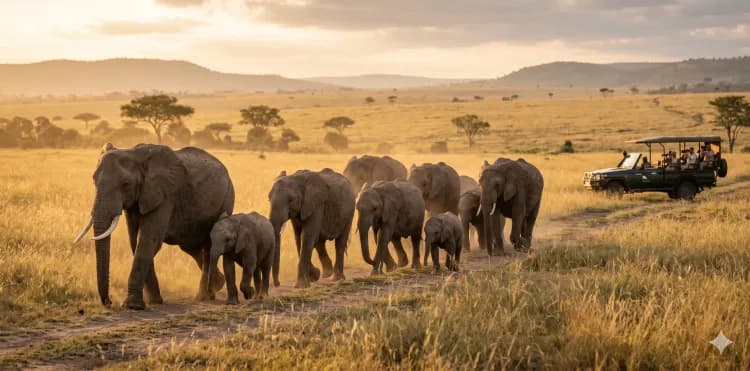
Non-invasive observation: In ethical safaris, you’re a guest in the animals’ world, not the other way around. Guides keep vehicles at a respectful distance, use quiet engines, and refrain from calling out to or baiting animals for photos. The goal is to observe natural behaviours: a lion napping under a tree, a giraffe grazing, or zebras play-fighting—all on their own terms. Operators who chase or corner wildlife for photo opportunities stress the animals and can even alter their behaviour over time.
Conservation-led encounters: Your money should do more than buy a seat in a 4x4. In places like Namibia and Kenya, safari fees are directly invested in conservation. Some conservancies pay local communities to protect land and wildlife, turning conservation into a viable livelihood. Others support anti-poaching patrols, fund endangered species programmes, or help restore vital habitats. The result? Tourists become part of a system that keeps wildlife wild.
Minimal environmental impact: Truly ethical lodges and camps take sustainability seriously. They use solar energy, avoid single-use plastics, harvest rainwater, compost waste, and build using eco-friendly materials. These small steps protect fragile ecosystems and ensure that the stunning landscapes visitors come to see remain intact for generations.
Education and transparency: Good guides do more than point out animals—they teach. Ethical tour operators explain animal behaviour, threats from poaching or habitat loss, and the local customs surrounding wildlife. They’re upfront about their policies and won’t offer experiences like cub petting, elephant riding, or walking with lions. They empower travellers to make better choices, not just in Africa, but wherever they go next.
This model ensures that when travellers ask "where to see animals ethically," the answer points to destinations where wildlife thrives, communities feel pride and benefit, and the ecosystem is protected. Ethical wildlife tourism in Africa becomes not just a holiday, but a contribution to sustaining unforgettable wildlife for the future.
The Not-So-Pretty Side of Wildlife Tourism
Wildlife tourism has undeniable appeal. Yet, beneath the surface lies a darker reality: many encounters cause stress, exploitation, and environmental damage—even in seemingly harmless scenarios. Sadly, these unethical practices thrive under the illusion of excitement.
One common issue is the pursuit of “cute” animal selfies. Interactions with sedated tigers or cub-petting sessions often require youngsters to be separated from their parents, inducing trauma. The animals remain in poor or abusive conditions so tourists can take photos—a disturbing trade-off that undermines every ethical safari idea.
Intimate encounters, such as elephant rides or feeding with your hand, also wreak havoc. These animals are commonly trained via fear and physical correction and spend most of their lives outside the wild. What appears to be a joyous tourist activity often masks intense animal suffering .
Other practices are subtler but equally damaging. Chasing, baiting, or luring wildlife out of hiding solely to guarantee sightings disrupts natural routines and promotes human dependency. Even silent changes in behaviour—from ignoring natural fear to over-familiarity—can have long-term ecological consequences.
Unregulated tours also cause environmental damage: excessive vehicle traffic can trample vegetation and disrupt resting areas. Noise pollution from tour operators further disrupts animal behaviour, pushing wildlife away from critical habitats and skewing natural patterns .
These troubling examples explain why travellers now ask: “Where to see animals ethically?” Knowing the red flags—chained animals, forced interactions, overcrowded tours—can steer us away from cruel spectacles and closer to genuine, respectful wildlife encounters.
How to Be a Responsible Wildlife Tourist
Embracing truly ethical wildlife tourism in Africa begins long before boarding a safari vehicle. It starts with thoughtful preparation, respectful behaviour, and supporting operators who prioritise animal welfare and conservation.
Do Your Research
Begin by identifying operators committed to safe African safari experiences and credible conservation efforts. Organisations like IFAW, Lonely Planet, and Planet Aware Web recommend eco-certified tours and sanctuaries that never encourage direct interaction with wildlife. Look for tour reviews that praise respectful wildlife viewing and sustainable practices.
Ask Informed Questions
When talking to tour providers, ask:
Are sightings guaranteed?
Could animals be baited or fed to prompt their appearance?
How many guests are permitted on each tour?
Does the operator support local conservation or community projects?
Ethical providers welcome these questions, explaining when wildlife is untrained, how fees support ranger patrols or habitat projects, and why minimal interaction is essential.
Maintain Respectful Distance
Once on safari, respect sighting guidelines—often 20–50 metres from large mammals—to minimise stress. Keep voices low, avoid revving engines, and never use flash photography. A good guide is trained to recognise warning signals in animals and adjust your proximity accordingly.
Say No to Exploitative Activities
Pass on rides, petting, or feeding animals. These attractions often involve cruelty, and supporting them fuels an industry that thrives on animal distress. Instead, opt for sanctuaries that house only legally rescued wildlife and offer enriching, non-contact observation opportunities.
Empower Local Communities
Opt for guides from local villages or tribes who often have personal stakes in wildlife protection. Their knowledge enriches your experience and ensures host communities benefit from wildlife tourism.
Educate Yourself and Share Responsibly
Before and during travel, spend time learning about local conservation challenges—like anti-poaching initiatives or wildlife corridors. Share your experiences honestly on social media to highlight ethical operators and raise awareness about where to see animals ethically.
Practice Patience and Presence
Wildlife isn’t on demand. Sights can be rare and fleeting, but waiting quietly can yield moments of magic—wild dogs returning to a kill, a leopard yawning at dusk. Respecting their space and rhythm is part of the reward.
Africa’s Best Ethical Wildlife Experiences
From savannahs to rainforests, Africa offers some of the most spectacular and ethical wildlife tourism experiences in the world. Whether you dream of seeing the Big Five or coming face-to-face with mountain gorillas, it's now more possible than ever to do so in ways that support both conservation and communities. Below are some of the safe African safari experiences that set the benchmark for ethical wildlife tourism in Africa, while highlighting where to see animals ethically without causing them harm.
Kenya (Maasai Mara)
The Maasai Mara is a global safari icon, but its true ethical innovation lies in its community conservancies. Local Maasai landowners partner with conservation groups to create private reserves like Naboisho, Ol Kinyei, and Nashulai. These are managed with low-impact tourism principles—limiting vehicle numbers and promoting sustainable land use—which ensures less stress on wildlife and direct benefits to local people. Here, travellers enjoy intimate, crowd-free sightings of lions, elephants, cheetahs, and more. Eco-lodges use solar energy, manage waste responsibly, and reinvest profits into local education and wildlife programmes. This is ethical wildlife tourism in Africa at its finest—where tourism dollars fund both rangers and classrooms.
Botswana (Okavango Delta)
If you’re looking for safe African safari experiences that tread lightly on the earth, Botswana’s Okavango Delta delivers. Recognised as a UNESCO World Heritage Site, the delta is renowned for its “high-value, low-impact” model. This means fewer tourists, exclusive lodges, and higher costs—all of which translate to greater conservation funding and minimal environmental damage. Whether you're gliding past hippos in a mokoro (dugout canoe) or spotting leopards from a jeep, Botswana offers one of the most responsible answers to where to see animals ethically.
Namibia
Namibia stands out for its pioneering community-based tourism. Local conservancies—like Damaraland and Torra Conservancy—have turned barren landscapes into safe havens for endangered species like black rhinos, desert lions, and oryx. Guests can track animals on foot with community rangers, making it one of the best immersive and ethical ways to experience wildlife. Namibia’s government limits development and encourages eco-certification, preserving its fragile desert ecosystems. For those seeking to observe animals in their natural, untouched wilderness, Namibia is unmatched.
Rwanda & Uganda
Mountain gorilla trekking in Rwanda’s Volcanoes National Park or Uganda’s Bwindi Impenetrable Forest is one of Africa’s most sought-after and carefully managed wildlife experiences. Permits are limited, group sizes are small, and strict health protocols ensure minimal stress and zero risk of disease transmission to gorillas.
Guides undergo extensive training, and a portion of every trekking permit supports local infrastructure, conservation work, and community projects. It’s a rare and humbling opportunity to observe gorillas in their natural home, without compromising their safety. If you’re wondering where to see animals ethically, this is one of the gold standards.
Conclusion
In the ever-growing world of travel, ethical wildlife tourism in Africa offers a meaningful way to explore nature while making a positive impact. Gone are the days when animal encounters were about ticking off a list or snapping a perfect photo at any cost. Today’s conscious traveller seeks more authenticity, connection, and responsibility.
By choosing safe African safari experiences, travellers can witness majestic animals in their natural habitats without disturbing them. It’s not just about seeing the Big Five, but about understanding the delicate balance between conservation and tourism. From the open savannahs of Kenya to the lush jungles of Uganda, opportunities abound to engage with wildlife in respectful, non-invasive ways.
Ultimately, ethical travel isn’t about compromise—it’s about deeper experiences. It’s the difference between watching a lion sleep peacefully in the wild and seeing one perform tricks in captivity. It’s knowing your presence supports conservation, not exploitation.
So, the next time you plan a safari, remember this: where to see animals ethically is just as important as what you see. Travel with heart, tread lightly, and be part of the solution, not the problem. In doing so, you’ll help ensure that future generations can still witness Africa’s wild wonders in all their glory.
FAQ
Can I take photos on an ethical safari?
Yes, but always from a safe distance and without disturbing the animals. Turn off your flash and follow your guide’s instructions to ensure a respectful experience.
What should I pack for a responsible wildlife trip?
Bring eco-friendly essentials: reusable water bottles, biodegradable toiletries, and neutral-coloured clothing to blend into natural surroundings without alarming wildlife.
Are ethical safaris more expensive than regular ones?
Not always. While some cost more due to conservation fees, many ethical tours offer fair pricing and greater value by including expert guides and sustainable accommodation.
How do I know if a wildlife experience is truly ethical?
Look for certifications, read reviews, and avoid tours offering direct contact with wild animals. Ethical operators are transparent and promote conservation, not entertainment.
Other topics
Explore and Discover

Planning a Ski Trip Abroad? Here's Why Standard Travel Insurance May Not Be Enough
Thursday, Jul 9, 2026
While standard travel insurance covers common travel risks, it may not include winter sports-related accidents, equipment damage, or emergency mountain rescue.

Why Smart Travellers Never Skip Travel Insurance: Lessons from Real-Life Mishaps
Thursday, Jul 9, 2026
Discover why travel insurance is an essential part of every trip. Learn from real-life travel mishaps—from medical emergencies and lost baggage to flight cancellations and passport issues.

Holiday Travel Checklist: Must Have Essentials for a Stress Free Trip
Thursday, Jul 9, 2026
Planning a holiday? Stay organized and travel with confidence using this complete holiday travel checklist. From essential documents and packing must-haves to health, safety, and tech essentials, discover everything you need for a smooth, stress-free trip and enjoy your vacation without last-minute surprises.