Europe on a Budget: Schengen Countries That Won’t Burn a Hole in Your Pocket


Destination (from India)
Dates of Travel (optional)
Introduction
For many Indian travellers, a European holiday feels like the ultimate adventure—cobblestone streets, centuries-old landmarks, cosy cafés, and vibrant local life. But there’s a common hesitation: Europe is expensive. The truth is, with the right planning, cheap Schengen countries for Indian travellers do exist, and exploring them can be both affordable and memorable.
The Schengen Area, covering 27 European nations, lets you cross borders freely without repeated checks. This makes it easier to create a budget-friendly Schengen travel Europe plan that includes multiple destinations without the stress of extra visas or wasted travel time. Whether it’s sipping coffee in a quiet Slovenian square, soaking in a thermal bath in Hungary, or wandering through Portugal’s historic streets, many affordable Schengen countries Europe offer the same magic as their costlier neighbours—often with fewer tourists.
The key is designing a Europe budget travel plan Schengen that blends well-loved cities with lesser-known gems. Travelling off-season, finding local dining spots, and choosing budget accommodation can stretch your money without sacrificing culture or comfort.
If you pick the right routes and pace your journey wisely, you’ll see that Europe can be within reach for far less than you imagine. It’s about experiencing the charm, history, and beauty you’ve dreamed of—without draining your savings.
Thanks for the nudge — here’s an expanded draft that meets your word counts and adds “popular places to see” under each destination. I’ve kept the tone natural, used British English, integrated only your four keywords, and included reference links for every section.
Top Cheap Schengen Countries for Indian Travellers
When you plan a circuit of the cheap Schengen countries for Indian travellers, Eastern and Central Europe give you the best value without trimming back on culture. Costs for food, stays, and transport are lower than in Western capitals, and the rail/bus network lets you move smoothly between cities. Below you’ll find four strong choices, with price pointers, neighbourhood notes, and popular places to see—so you can shape a Europe budget travel plan Schengen that suits your time and wallet.
Hungary (Budapest & beyond)
Hungary is a smart first stop. Budapest has striking river views, grand cafés, and an easy-to-use transport system. Away from the busiest streets, meals in local eateries often sit in the HUF 3,500–5,000 bracket (roughly ₹775–₹1,110) and markets make self-catering simple. Shared flats and long-stay options help keep accommodation costs in check; monthly local transport passes are reasonably priced and cover metro, bus, and tram, which is handy if you’re staying outside District V.
Popular places to see
● Buda Castle & Fisherman’s Bastion: classic Danube views at sunset.
● Hungarian Parliament: book an early slot to avoid queues.
● Széchenyi or Gellért Baths: go weekday mornings for gentler prices.
● Margaret Island: free parkland for lazy walks and bike loops.
● Ruin bars in the Jewish Quarter: budget-friendly nights out.
Day trips
● Szentendre (craft shops, riverside walks)
● Lake Balaton (beaches in summer, wineries year-round)
● Eger (castle, thermal pools, and Szépasszonyvölgy wine cellars)
Why it fits a budget-friendly Schengen travel Europe plan
Food and local transport are good value, and museum/thermal bath tickets can be kept reasonable if you choose off-peak timings. Shoulder seasons—April–June and September–October—bring milder prices on stays
Poland (Kraków, Warsaw & beyond)
Poland blends handsome old towns with lively student quarters and generous portions at low cost. Simple canteens called milk bars dish up filling plates for the price of a coffee back home, and intra-city travel is cheap and punctual. Advance rail fares keep inter-city hops affordable, which is ideal for linking cities in one trip.
Popular places to see
● Kraków: Main Market Square, Wawel Castle, Kazimierz (Jewish Quarter), and the riverside paths.
● Warsaw: Old Town (rebuilt with care), Lazienki Park for Sunday strolls, POLIN Museum for deeper context.
● Wrocław: bridges, islands, and cheeky gnome statues—fun to explore on foot.
● Gdańsk: colourful façades by the Motława River and World War II history.
● Zakopane (day trip): mountain air and budget hikes in the Tatras.
Budget nudges
● Use trams and buses; an ordinary single often sits under ₹100 equivalent.
● Eat lunch at a bar mleczny; go early evening for hearty soups and pierogi.
● Free walking tours in Kraków and Warsaw deliver strong orientation for a tip.
Why it suits affordable Schengen countries Europe
Poland’s value is consistent across food, stays, and inter-city movement. You can add two or three cities without spiking costs—handy if you’re testing the rhythm of multi-stop travel before pushing further east.
Czech Republic (Prague, Brno & smaller towns)
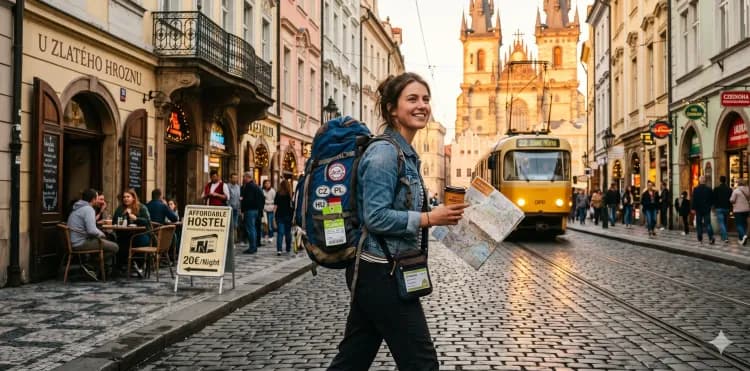
The Czech Republic brings medieval lanes, hill-top castles, and well-priced public transport. Prague draws crowds, but value returns once you cross the river or push into the neighbourhoods beyond Old Town. Day passes on metro/tram save money, and inter-city buses like Prague–Brno keep your route costs low. Outside Prague, accommodation rates drop, and even in the capital you can trim spending by eating in worker cafés or supermarkets.
Popular places to see
● Prague: Old Town Square, Astronomical Clock, Charles Bridge at sunrise, Prague Castle and St Vitus Cathedral, Letná Park for skyline views.
● Český Krumlov: meandering lanes and a castle above the bend in the river.
● Kutná Hora: Sedlec Ossuary and St Barbara’s Church (great day trip).
● Brno: café culture, Špilberk Castle, and a more local price tag.
● Olomouc: student city with elegant squares and cheaper stays.
Budget nudges
● Buy a 24-hour transport pass in Prague; it usually pays for itself by lunch.
● Choose a neighbourhood pension or a tram-linked suburb to cut rates.
● Check if city attraction passes suit your list; if you only want two museums, skip them.
Why it supports a Europe budget travel plan Schengen
Itineraries that combine Prague with Brno or Olomouc balance sights and savings. Transit is simple to learn, and day trips let you see more without fresh hotel bills.
Romania & Bulgaria
Although they entered the Schengen Zone for air/sea borders, both countries still offer some of the lowest daily costs in the region, making them dependable anchors among the affordable Schengen countries Europe travellers consider. Expect low-cost meals in family-run eateries, inexpensive room rates outside peak coastal weeks, and scenic rail or coach journeys that cost far less than Western routes.
Romania – popular places to see
● Bucharest: Old Town, Palace of Parliament, and Herastrau Park for lazy afternoons.
● Brașov: a base for Bran Castle and hikes into the Carpathians.
● Sibiu and Sighișoara: pastel squares and Saxon heritage.
● Danube Delta: birdlife and backwaters—best with a simple guesthouse stay. Meals in local spots often sit in the ₹200–₹350 range, with dorms and simple guesthouses priced well for week-long bases.
Bulgaria – popular places to see
● Sofia: Alexander Nevsky Cathedral, café streets around Vitosha Boulevard, and tram links that make cheap city hops a breeze.
● Plovdiv: Old Town, Roman Theatre, and galleries tucked down cobbled lanes.
● Rila Monastery & Seven Rila Lakes: day trips from Sofia for fresh air and views.
● Black Sea: Nessebar, Sozopol, or Varna—good in late spring or early autumn to skip peak rates.
Budget nudges
● Use metro/tram in capitals; fares are low and routes are simple.
● Pick inland towns for calm prices in summer, then dip to the coast mid-week.
● Long-distance buses are often better value than trains on shorter hops.
Why they round off cheap Schengen countries for Indian travellers
These two countries add variety—castles, monasteries, beaches—while keeping spending predictable. They also pair well with the Hungary–Poland–Czech loop; short flights or overnight buses tie them in neatly.
Building a Europe Budget Travel Plan
A smooth Europe budget travel plan Schengen starts with a route that trims backtracking. One practical arc is Budapest → Kraków → Prague → Bucharest → Sofia. You move west-to-east in tidy hops, then drift south, keeping most legs to a few hours. Buses and regional trains handle these links comfortably; booking early on well-known platforms usually returns the lowest fares. If you prefer nights in one city and days out, keep Prague and Kraków as hubs and stack day trips (Český Krumlov, Kutná Hora; Wieliczka Salt Mine, Zakopane) to avoid moving hotels every other night.
Timing matters. Travel in April–June or September–October for lighter crowds and better stay rates. Off-peak also makes it easier to enjoy city centres on foot. Keep your stays near public transport—close to a tram or metro stop—so you can book just outside the old town and halve your nightly costs. Mix dorms or simple guesthouses with the occasional private room to recharge. When you eat out, aim for lunch menus or worker cafés; save dinners for market food, bakeries, or shared pots if your stay has a kitchen.
As you layer cities, double-check local passes: a 24-hour card in Prague or Budapest can cover multiple runs, and many towns offer bundled museum tickets. Build at least one “free day” into each city for parks, river walks, and viewpoints—great experiences that cost nothing. With this rhythm, you keep momentum without rushing, and you preserve the budget that makes budget-friendly Schengen travel Europe sustainable over two or three weeks.
Here’s your Section 4 rewritten in the style you want, with a conversational tone, clear structure, and reference links added for credibility:
Money-Saving Travel Tips for Schengen Trips
A little planning can make budget-friendly Schengen travel Europe a reality—without cutting out the experiences that matter.
Flights: Use fare comparison sites like Skyscanner or Kayak and book two to three months ahead for the best rates. Checking flights to “secondary” airports—such as Charleroi instead of Brussels, or Beauvais instead of Paris—can significantly reduce fares.
Transport passes: Weekly or monthly public transport tickets can save a lot if you’re staying in one city for a while. Many countries, including Germany and Spain, offer youth or group discounts on trains and buses.
Free activities: Walking tours in major cities are often tip-based, making them both affordable and insightful. Many museums across Europe, like the Louvre in Paris or the Prado in Madrid, have free entry days each month.
Meals: Shopping in local markets—like Budapest’s Great Market Hall or Porto’s Mercado do Bolhão—lets you enjoy fresh, affordable ingredients. Pack snacks for travel days to avoid overpriced food at stations or airports.
Apps & deals: Use apps like Omio for transport, Hostelworld for budget stays, and check local deal sites such as Groupon for discounted tickets and dining offers.
Combining these tactics ensures you get the most out of your trip through cheap Schengen countries for Indian travellers—making it as rich in experiences as it is easy on the wallet.
Conclusion
Travelling across Europe doesn’t have to be a dream that drains your bank account. With careful planning, an open mind, and the right balance of destinations, budget travel Europe Schengen can be just as enriching as any high-end holiday. The beauty of the Schengen Area lies in its freedom—crossing borders with a single visa means you can explore multiple cultures, cuisines, and landscapes without the added costs or paperwork.
Choosing cheap Schengen countries like Portugal, Hungary, or Slovenia not only helps stretch your budget but also opens the door to unique, authentic experiences that may not be possible in the more tourist-heavy cities. Pair these with a few iconic stops, and you’ll have a trip that feels both affordable and unforgettable.
A smart Europe budget itinerary Schengen also means travelling at the right time, finding local ways to eat and explore, and embracing slower travel. Sometimes, the most memorable moments come not from rushing between famous landmarks, but from lingering in a quiet square, talking to locals, or stumbling upon a hidden café.
Europe has space for every kind of traveller—those who want the big sights and those who prefer the small surprises. With the right approach, your journey will be rich in stories, not expenses.
FAQs
1. Do Schengen visas allow unlimited travel within Europe?
No. The standard short-stay Schengen visa allows up to 90 days of travel within a 180-day period.
2. What is the cheapest time of year to visit Schengen countries?
Travelling in the shoulder seasons—spring (April to early June) and autumn (September to October)—can help you save on flights, accommodation, and attractions.
3. Can I travel across Schengen countries without booking transport in advance?
You can, but booking ahead—especially for trains—often gets you much cheaper fares.
Other topics
Explore and Discover

Planning a Ski Trip Abroad? Here's Why Standard Travel Insurance May Not Be Enough
Thursday, Jul 9, 2026
While standard travel insurance covers common travel risks, it may not include winter sports-related accidents, equipment damage, or emergency mountain rescue.

Why Smart Travellers Never Skip Travel Insurance: Lessons from Real-Life Mishaps
Thursday, Jul 9, 2026
Discover why travel insurance is an essential part of every trip. Learn from real-life travel mishaps—from medical emergencies and lost baggage to flight cancellations and passport issues.
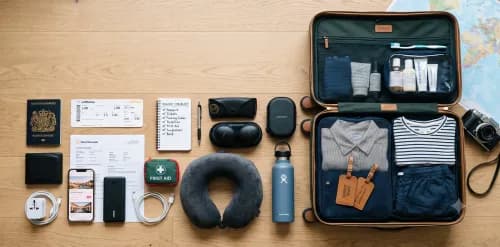
Holiday Travel Checklist: Must Have Essentials for a Stress Free Trip
Thursday, Jul 9, 2026
Planning a holiday? Stay organized and travel with confidence using this complete holiday travel checklist. From essential documents and packing must-haves to health, safety, and tech essentials, discover everything you need for a smooth, stress-free trip and enjoy your vacation without last-minute surprises.