Lost in Translation_ Funny & Unexpected Cultural Differences Travellers Face


Destination (from India)
Dates of Travel (optional)
List of Content
Introduction
Imagine ordering a coffee in Italy and being handed an espresso so tiny you think it’s a sample. Or bowing politely in Japan, only to knock heads with someone doing the same. These are the kinds of moments that stick with you—not because they’re embarrassing, but because they’re unforgettable.
When we travel, we don’t just cross borders—we cross into entirely different ways of thinking, acting, and communicating. Whether it’s how people greet one another, queue up (or don’t), or split a restaurant bill, cultural differences pop up in the most unexpected places. And more often than not, they’re hilarious.
These funny cultural differences travellers face may seem small, but they reveal big things about human behaviour. Why do we assume a thumbs-up means “good job”? Why is slurping noodles polite in one country and rude in another? These everyday surprises can lead to confusion, giggles, or even moments of real connection.
Etiquette rules, especially, are a minefield, what’s seen as polite in one culture might be downright bizarre in another. Take gift-giving: in some places, it’s expected to refuse a present at least twice before accepting. In others, tearing into the wrapping immediately is considered rude.
In 2025, with more people travelling farther and faster than ever, these mix-ups are increasingly common and increasingly endearing. But it’s more than just a collection of “oops” stories. It’s a reminder that curiosity, humility, and a sense of humour are your best travel companions. Because sometimes, getting it a little wrong is the best way to learn what makes the world so wonderfully diverse.
Language Slip-Ups
One of the most common funny cultural differences travellers face comes from language slip-ups—often due to mistranslations, overreliance on apps, or direct translations of idioms. What might sound logical in one language can result in sheer confusion or accidental comedy in another.
Common scenarios include:
● Menus gone wrong: From “pee soup” instead of “pea soup” in China to a pizza offering “smallpox” as a topping, restaurant menus are goldmines for awkward errors
● Mistranslated signs: A public toilet labelled the “Knights’ Bathroom” in Spain—due to a literal translation of caballero, which can mean both “gentleman” and “knight”
Idioms are another trap:
● Asking for directions to a hôtel de ville in France (thinking it’s a hotel) may land you at the town hall—and possibly locked inside.
● The Spanish verb coger is innocent in Spain but has vulgar connotations in Latin America—resulting in giggles from locals when tourists unknowingly use it.
Translation apps like Google Translate and DeepL, though helpful, can’t always handle slang or idiomatic language:
● A label reading “bread comes with cold” is the result of literal, context-free translation.
● Directions like “boil for eight minutes until exploding” show how humour arises from botched syntax or word choice.
Etiquette rules tied to language also trip people up:
● In Japan, failing to use the correct form of address or polite speech can unintentionally offend.
● In Germany, using overly casual terms or slang with strangers might come across as rude or immature.
Tips to avoid awkward moments:
● Stick to simple, clear phrases.
● Learn a few key local words and etiquette rules before travelling.
● Double-check translations using two apps or tools.
● Laugh it off—most locals appreciate the effort and enjoy the shared humour.
These quirky moments don’t just create funny stories—they spark cultural connection and remind us that even mistakes can bridge the gap between people.
Gestures, Expressions & Body Language Blunders
Body language is another area where cultural differences create confusion—and sometimes unintentional comedy. What’s perfectly polite in one country may be wildly inappropriate in another. These etiquette rules aren't always written down, but they're deeply ingrained.
Some gestures that commonly misfire:
● Thumbs up: A symbol of approval in the UK and US, but rude in parts of the Middle East.
● The OK sign: Harmless in North America, but offensive in Turkey and Brazil. In Japan, it means "money."
● Peace sign (reversed): Flashing it with your palm facing inward is seen as an insult in the UK.
Facial expressions and head gestures vary too:
● Head nodding: Usually means “yes,” except in Bulgaria and parts of Greece, where nodding means “no” and shaking the head means “yes.”
● Smiles: In some East Asian cultures, people smile even when embarrassed or uncomfortable—a contrast to Western assumptions about smiling.
● Eye contact: Seen as confident in the West but perceived as rude or aggressive in some Asian and African cultures.
Funny cultural differences travellers face around gestures include:
● A traveller in India who misread the head wobble and had no idea whether they were being told “yes,” “no,” or “maybe.”
● Winking, which is playful in the West, can come off as flirtatious or inappropriate in Latin America.
● In the Philippines, locals often point using their lips, which baffles many Western visitors.
Etiquette rules to keep in mind:
● Avoid using common Western gestures until you understand local meanings.
● Observe locals for cues.
● Use open-handed gestures and a polite smile when in doubt.
These small but powerful gestures remind us how deeply culture shapes communication. Even if they lead to awkward moments, they often spark laughter and learning—and turn into stories we love to retell.
Dining Etiquette Gone Wrong
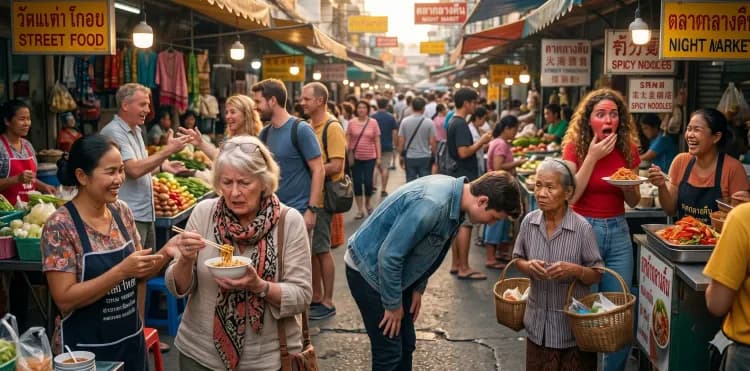
There’s perhaps no quicker way to find yourself in hot water abroad than by breaking a dining custom you didn’t even know existed. Meals are more than just food—they’re rituals, family time, and expressions of deep-rooted cultural identity. For many travellers, some of the funniest cultural differences faced involve unexpected dining faux pas.
Take chopsticks, for example. In Japan and China, sticking chopsticks upright in a bowl of rice is a serious misstep. It mirrors funeral rites where incense sticks are placed in a similar way, making it an offensive gesture at the dinner table. Similarly, passing food from one set of chopsticks to another is avoided because it mimics the passing of cremated remain.
Then there’s the matter of sounds. While slurping might seem rude to many, in Japan it’s considered a compliment to the chef, especially when eating noodles. In parts of China and the Middle East, even burping can be interpreted as a sign of satisfaction.
Funny cultural differences travellers face often stem from speed. In the U.S., dining is fast-paced. Meanwhile, in countries like France and Italy, meals are slow, social affairs that can last hours. Rushing through your food can be seen as disrespectful.
Some common mishaps include:
● Using the wrong utensil or hand (the left hand is avoided in India and parts of the Middle East for eating)
● Refusing second servings in cultures where this is considered impolite
● Pouring your own drink instead of serving others first
● Missing the social cues around toasting or waiting for elders to begin eating
Etiquette rules vary widely, and it’s easy to fumble. But these small gaffes often lead to shared laughter and stories you’ll retell for years. In the end, they serve as reminders that food is universal—but the way we share it is deeply cultural.
Dress Codes and Unspoken Rules
When it comes to travel, what you wear can say just as much as what you do. Cultural differences are often stitched into dress codes—unwritten yet widely observed. For travellers, these etiquette rules can spark confusion, faux pas, and a few memorable laughs.
In many countries, modesty isn’t just a matter of style but one of respect. At religious sites in Thailand, the Vatican, or India, covering your shoulders, knees, and sometimes your hair is expected. Some temples even provide sarongs or shawls at the entrance—if they don’t, being turned away is very likely.
Shoes also have a surprising amount of cultural weight. In Japan and some Scandinavian countries, entering a home or certain restaurants with shoes on is seen as disrespectful. Even sacred mountains in Nepal require visitors to remove their shoes as a sign of reverence.
And then there's the beachwear blunder. In places like Spain, Turkey, and the Maldives, walking into a shop or café in your swimsuit can be illegal or heavily frowned upon. Many unsuspecting tourists have learned this the hard way after being fined or shooed out of establishments.
Here are some common dress code missteps travellers face:
● Wearing sleeveless tops or shorts at sacred sites
● Entering homes or temples without removing shoes
● Donning swimwear away from the beach
● Wearing high heels at historical monuments (banned in Greece for preservation reasons)
These dress codes stem from cultural values and practical needs. In some countries, they symbolise purity, spiritual respect, or social conformity. In others, they help preserve ancient ruins or uphold road safety laws—like the Spanish ban on driving in flip-flops.
Funny cultural differences travellers face in dress may be a matter of misjudged weather, casual habits from home, or simply not reading the signs. But they offer great reminders: when in doubt, cover up, step out of your shoes, and observe what locals do.
Queuing, Punctuality & Social Norms
It may surprise you, but the way people queue, wait, and show up on time can differ dramatically across cultures. These subtle yet important etiquette rules reveal fascinating cultural differences—and often result in some humorous misunderstandings for unsuspecting travellers.
Funny cultural differences travellers face around queues and timing include:
● Arriving on time for a dinner party that’s only getting started an hour later
● Getting flustered in a queue where there’s no clear order
● Offending someone b12`y jumping ahead, not realising elders or locals are prioritised
Then there's personal space and social hierarchy. In Japan, bowing and deference to seniors are everyday norms. In India, stepping aside for elders or addressing someone with respectful titles matters. Travellers may find themselves confused or even embarrassed when these rituals are ignored or misunderstood.
These etiquette rules aren’t always obvious. But observing how locals behave can be your best guide. And if you make a mistake? Laugh it off. After all, these quirks are part of what makes exploring the world so endlessly surprising—and fun.
Conclusion
Travel isn’t just about seeing new sights—it’s about stepping into someone else’s way of life. Along the way, you’ll likely get a few things wrong. Whether it's slurping your noodles too loudly, greeting someone too warmly (or not warmly enough), or turning up early when the party hasn’t even started, cultural differences have a way of humbling even the most seasoned travellers.
But these moments—awkward, funny, and sometimes a little embarrassing—are what make travel truly memorable. They offer a glimpse into the values, histories, and rituals that shape daily life around the globe. Each mistake is an opportunity to learn, laugh, and connect more deeply with the places you visit. In fact, understanding etiquette rules and respecting cultural differences doesn’t just help you avoid blunders—it shows curiosity and respect.
So, the next time you’re travelling, pay attention to local cues. Watch what others do. Ask questions. And if you mess up? Smile, apologise if needed, and take it in stride. Because those are the stories you’ll remember—and the ones worth sharing.
FAQs
What should I do if I accidentally offend someone abroad?
Apologise politely, smile, and move on. Most people understand cultural slip-ups happen and will appreciate your effort to make amends.
How can I learn about etiquette rules before visiting a country?
Travel blogs, government travel advisories, and official tourism websites are good places to start. Observing locals and asking your hosts also helps.
Are cultural differences always taken seriously by locals?
Not always—many locals view mistakes with humour or empathy, especially when travellers are clearly trying to be respectful.
Is it okay to ask locals about their customs if I’m unsure?
Yes, most people appreciate genuine curiosity. Politely asking shows respect and often leads to meaningful cultural exchange.
Other topics
Explore and Discover

Planning a Ski Trip Abroad? Here's Why Standard Travel Insurance May Not Be Enough
Thursday, Jul 9, 2026
While standard travel insurance covers common travel risks, it may not include winter sports-related accidents, equipment damage, or emergency mountain rescue.

Why Smart Travellers Never Skip Travel Insurance: Lessons from Real-Life Mishaps
Thursday, Jul 9, 2026
Discover why travel insurance is an essential part of every trip. Learn from real-life travel mishaps—from medical emergencies and lost baggage to flight cancellations and passport issues.
Holiday Travel Checklist: Must Have Essentials for a Stress Free Trip
Thursday, Jul 9, 2026
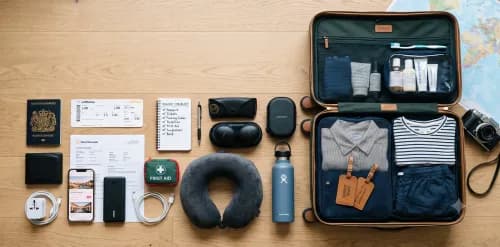
Planning a holiday? Stay organized and travel with confidence using this complete holiday travel checklist. From essential documents and packing must-haves to health, safety, and tech essentials, discover everything you need for a smooth, stress-free trip and enjoy your vacation without last-minute surprises.