How the Metaverse is Impacting the Future of Virtual Travel Experiences


Destination (from India)
Dates of Travel (optional)
Understanding the Metaverse in Travel
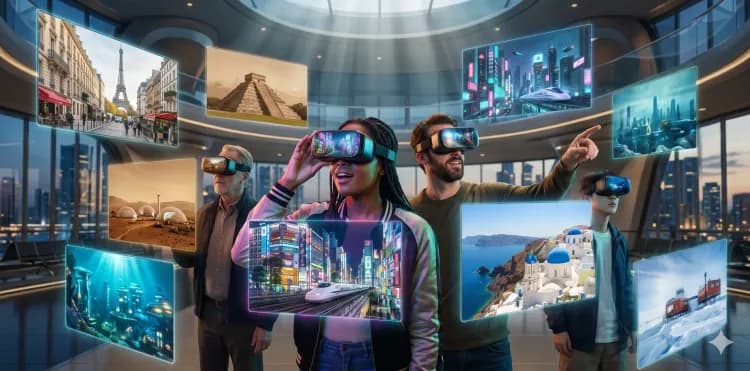
The metaverse is more than virtual reality. It is an expansive, interconnected digital universe that combines technologies such as augmented reality (AR), virtual reality (VR), artificial intelligence (AI), and blockchain. This blend creates immersive environments where users can interact in real time with people, places, and data. Unlike traditional VR platforms, the metaverse is not a single application or experience. It is a persistent, shared space where identities, digital assets, and experiences can move fluidly across platforms.
For the travel industry, this evolution offers a significant shift in how people explore and connect with destinations. Traditional virtual tours often involve static, pre-recorded content that limits user interaction and sensory engagement. In contrast, metaverse travel experiences for Indian tourists allow for personalised exploration of digital replicas of real-world destinations or entirely imagined environments. These experiences are designed to be shared, social, and interactive.
Key features that set the metaverse apart from traditional virtual tours include:
· Real-Time Exploration: Users move through virtual spaces together and respond to changes as they happen. This feature brings energy and excitement that earlier virtual tours did not offer.
· Multi-User Interaction: The metaverse supports shared experiences. Travellers can join friends, meet new people, and attend live events, making it ideal for socially active audiences. This aligns with growing virtual tourism trends in India using metaverse technology. This aligns with growing virtual tourism trends in India using metaverse technology
· Sensory Engagement: New tools like haptic feedback promise to bring a sense of touch to virtual travel. These tools increase the impact of metaverse on tourism in India by making digital exploration feel more real.
Emerging platforms like BharatVerse are already showcasing how the Indian travel industry is using the metaverse to revive interest in heritage tourism. These initiatives allow users to virtually walk through iconic Indian monuments, attend regional festivals, and engage with local cultures without leaving home. As infrastructure improves and public interest grows, the future of virtual travel in India through the metaverse looks bright. It holds the potential to make travel more accessible, reduce environmental impact, and deepen cultural understanding across geographic and social boundaries.
Key Benefits for Indian Travellers
The emergence of metaverse travel experiences for Indian tourists is reshaping the landscape of travel by offering innovative solutions that address various challenges faced by travellers. These digital experiences provide several advantages that align with the evolving needs of Indian travellers.
Cost Savings: Virtual travel eliminates expenses associated with traditional travel, such as airfare, accommodation, and dining. By exploring destinations digitally, travellers can experience multiple locations without the financial burden of physical travel, making it a cost-effective alternative.
Multi-User Interaction: The metaverse supports shared experiences. Travellers can join friends, meet new people, and attend live events, making it ideal for socially active audiences. This aligns with growing virtual tourism trends in India using metaverse technology.
Early Exploration of Destinations: The future of virtual travel in India through the metaverse allows people to preview destinations before booking a trip. This builds confidence and improves satisfaction.
Safe and Contactless Tourism Experiences: In a post-pandemic world, safety remains a priority. Virtual tourism offers contactless experiences, reducing health risks while still providing the opportunity to explore and engage with various destinations.
Educational and Cultural Enrichment: Virtual platforms facilitate access to cultural sites, museums, and historical landmarks, offering educational opportunities that might be inaccessible otherwise. This aspect of how the Indian travel industry is using the metaverse contributes to cultural preservation and education.
Additionally, the impact of metaverse on tourism in India includes enhanced accessibility for differently-abled individuals, real-time language translation, and AI-guided storytelling that brings destinations to life. With more Indian tech startups innovating in this space, virtual travel is becoming more personalised, making tourism more inclusive, interactive, and imaginative than ever before.
Limitations and Challenges in India
While metaverse travel experiences for Indian tourists offer promising opportunities, several challenges hinder widespread adoption across the country. Many people in India do not have easy access to fast internet or virtual reality devices. Others do not feel ready to trust or try new digital tools. These barriers make it harder for metaverse tourism to reach everyone. To move forward, India must understand and solve these challenges with care and focus.
Technological Barriers: High data costs, limited access to VR devices, and inconsistent rural connectivity present significant obstacles. The digital divide between urban and rural areas affects the equitable distribution of metaverse technologies, with rural regions often lacking the necessary infrastructure for seamless virtual experiences.
Cultural Resistance to Digital-Only Travel: India's rich cultural heritage and emphasis on physical pilgrimages and travel experiences contribute to a preference for traditional tourism. Many individuals value tangible experiences, making the concept of virtual-only travel less appealing to certain demographics.
Lack of Regulation and Data Privacy Concerns: The absence of comprehensive regulations governing the metaverse raises concerns about data privacy and user protection. Existing laws may not adequately address the complexities of virtual environments, leading to potential legal ambiguities and vulnerabilities.
Limited Content Tailored to Indian Languages and Regional Interests: The diversity of languages and cultures in India necessitates content that caters to various regional preferences. Currently, there is a scarcity of metaverse content available in multiple Indian languages, limiting accessibility and engagement for a broader audience.
The Road Ahead - Predictions and Trends
Virtual tourism trends in India using metaverse technology are growing fast. More people are showing interest in mixing travel with digital experiences. The future looks bright, with many exciting changes on the way.
Growth of Metaverse Travel Apps and Virtual Tourism Platforms in India: The development of platforms like BharatVerse demonstrates the potential for immersive virtual tourism experiences. These platforms aim to provide users with interactive explorations of India's cultural and historical sites.
Potential Role of Government Tourism Boards Using Virtual Booths or Digital Experiences: Tourism boards are also turning to digital tools. The Incredible India Digital Platform is one example. It offers virtual tours and live updates about tourist spots. By using virtual tourism trends in India using metaverse technology, these platforms help more people discover Indian destinations in a simple and engaging way.
Likely Increase in Hybrid Models: Physical Travel Supported by Virtual Layers: The mix of real and virtual travel is growing. Travellers can now use AR guides or take virtual previews before their trips. This mix supports the future of virtual travel in India through the metaverse, making each journey better and more informed.
Importance of Skill Development in 3D Content Creation and Immersive Storytelling: More colleges and training programs now teach skills like 3D design and storytelling. These skills help young creators build exciting digital travel experiences. This is an important step in shaping the future of virtual travel in India through the metaverse.
Adoption Among Indian Youth and Gen Z Travellers - India’s younger population, especially Gen Z and millennials, are more open to digital-first experiences. For them, virtual tourism trends in India using metaverse technology are not just a novelty — they are an extension of how they already consume content, play games, and interact socially online. This shift in mindset signals long-term growth in how the Indian travel industry is using the metaverse to attract tech-savvy tourists who seek both discovery and convenience.
Conclusion
The integration of the metaverse into India's tourism sector opens new ways to explore, learn, and connect. It does not replace physical travel. Instead, it adds a new layer of experience. The metaverse offers accessible, immersive, and informative journeys to a wider audience, including those who face limits due to distance, cost, or health.
This digital shift supports metaverse travel experiences for Indian tourists by allowing them to preview destinations, attend virtual events, and interact with local cultures from their homes. These experiences can also help travellers plan better and feel more confident before booking their trips.
To make the most of the future of virtual travel in India through the metaverse, government bodies, tourism boards, and private firms must work together. They must improve internet access, develop local content, and train creators in 3D design and storytelling. The impact of metaverse on tourism in India will grow stronger if people see value in both digital and physical journeys.
By moving forward together, India can lead in virtual tourism trends in India using metaverse technology. The country can offer new ways to explore its rich heritage and diverse landscapes while staying ready for a digital future. This is the time to shape the next chapter of Indian travel—one that combines culture, technology, and imagination.
FAQ
1. Can metaverse travel experiences help promote lesser-known Indian destinations?
Yes. The metaverse can spotlight offbeat or underexplored locations by creating engaging digital replicas and storytelling experiences. This visibility can spark interest, drive virtual footfall, and potentially lead to real-world tourism, helping local economies.
2. What kind of hardware or software is needed to experience virtual travel in the metaverse?
Basic access may only require a smartphone or PC, but fully immersive experiences often need VR headsets, motion controllers, or AR-enabled devices. Popular platforms like Oculus, HTC Vive, and emerging mobile apps support varying levels of immersion based on the user’s device.
3. How can Indian travel startups or tour operators benefit from metaverse technology?
Startups can build virtual storefronts, offer immersive previews of travel packages, or create gamified travel experiences. This helps attract global tourists, reduces marketing costs, and allows operators to innovate with storytelling, virtual guides, and interactive cultural showcases.
4. Are there any risks of motion sickness or discomfort in virtual travel environments?
Some users may experience motion sickness due to mismatched sensory input in VR environments. However, newer technologies are reducing this through better frame rates, latency reduction, and personalised settings. First-time users are encouraged to start with shorter sessions and gradually increase exposure.
Other topics
Explore and Discover

Planning a Ski Trip Abroad? Here's Why Standard Travel Insurance May Not Be Enough
Thursday, Jul 9, 2026
While standard travel insurance covers common travel risks, it may not include winter sports-related accidents, equipment damage, or emergency mountain rescue.

Why Smart Travellers Never Skip Travel Insurance: Lessons from Real-Life Mishaps
Thursday, Jul 9, 2026
Discover why travel insurance is an essential part of every trip. Learn from real-life travel mishaps—from medical emergencies and lost baggage to flight cancellations and passport issues.

Holiday Travel Checklist: Must Have Essentials for a Stress Free Trip
Thursday, Jul 9, 2026
Planning a holiday? Stay organized and travel with confidence using this complete holiday travel checklist. From essential documents and packing must-haves to health, safety, and tech essentials, discover everything you need for a smooth, stress-free trip and enjoy your vacation without last-minute surprises.