Why Smart Travellers Never Skip Travel Insurance: Lessons from Real-Life Mishaps


Destination (from India)
Dates of Travel (optional)
List of Content
Introduction
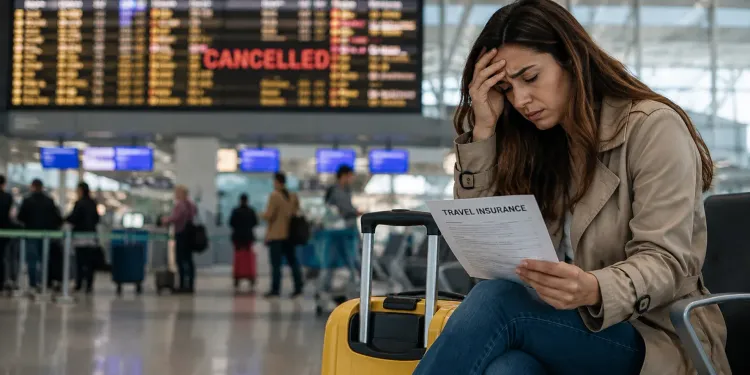
Planning a trip is exciting. You spend weeks comparing flights, booking hotels, and putting together the perfect itinerary. The last thing on most travellers' minds is what could go wrong.
But travel doesn't always go according to plan. Flights get delayed, bags go missing, people fall ill, and unexpected events can force you to cancel a trip altogether.
That's where travel insurance comes in. It's not about expecting the worst. It's about making sure an unexpected setback doesn't turn into a financial headache.
Here are a few real-world examples that show why experienced travellers rarely leave home without it.
A Small Expense That Can Save You Thousands
Many people skip travel insurance because it feels like an extra cost.
But think about everything you've already paid for. Flights, hotels, tours, visas, and activities are often booked weeks or months in advance, and many of these bookings aren't fully refundable.
Now imagine having to cancel your trip just days before departure because of a medical emergency or a family situation. Without insurance, you could lose most or all of that money.
Medical expenses can be even more expensive. Your regular health insurance may not provide adequate cover overseas, and emergency treatment in another country can quickly become very costly.
For serious medical emergencies, expenses such as hospitalisation or emergency medical evacuation can run into tens or even hundreds of thousands of dollars.
Real-Life Situations Where Travel Insurance Made a Difference
No one plans for these situations, but they happen more often than you might think.
A Delayed Flight That Disrupted an Entire Journey
An IT professional travelling from Mumbai missed a connecting flight in Frankfurt after the first flight was delayed.
Instead of paying for a new ticket himself, his travel insurance reimbursed the additional travel expenses, allowing him to continue his journey without a major financial setback.
A Medical Emergency on Holiday
A couple celebrating their honeymoon in Dubai developed severe food poisoning and required hospital treatment.
Their medical bills, including hospital care and diagnostic tests, would have been significant. Fortunately, their travel insurance covered the eligible expenses, allowing them to focus on recovering instead of worrying about the cost.
A Family Forced to Cancel Their Vacation
A family had planned and paid for a long-awaited holiday, but just before departure, one of their children became seriously ill.
Because they had purchased trip cancellation cover, they were able to recover most of their non-refundable travel expenses rather than losing the money entirely.
Lost Luggage During a Business Trip
A business traveller arrived at their destination, but their checked baggage didn't.
Their luggage, which contained work equipment and essential clothing, was delayed for several days. Their insurance helped cover the cost of purchasing essential replacement items until the baggage was returned.
A Holiday Accident
What started as a relaxing holiday quickly changed when a traveller suffered an unexpected injury while exploring.
Medical treatment abroad can be expensive, especially in destinations where visitors are expected to pay upfront. Having travel insurance meant the traveller could receive treatment without facing overwhelming medical bills.
What Does Travel Insurance Usually Cover?
While coverage varies between policies, comprehensive travel insurance often includes protection for:
• Emergency medical treatment overseas
• Hospitalisation and prescribed medication
• Emergency medical evacuation when medically necessary
• Trip cancellation or interruption for covered reasons
• Flight delays and missed connections
• Lost, stolen, or delayed baggage
• Loss of important travel documents
• Access to 24-hour emergency assistance services
Before purchasing a policy, always read the terms and conditions so you understand exactly what's included and what isn't.
Common Myths About Travel Insurance
"My Credit Card Already Includes Travel Insurance."
Some premium credit cards offer complimentary travel insurance, but the level of cover can vary considerably.
There may be limits on medical expenses, baggage claims, or trip cancellation benefits. In many cases, you also need to pay for the trip using that card for the cover to apply.
Always review the policy carefully before relying on it.
"I'm Young and Healthy."
Travel insurance isn't only about medical emergencies.
Even healthy travellers can experience flight cancellations, delayed baggage, stolen belongings, or unexpected travel disruptions.
Insurance protects against a wide range of situations that have nothing to do with your age or health.
"I'll Just Book Refundable Tickets."
Refundable flights and hotels can offer flexibility, but they don't help if you need emergency medical treatment overseas or if your baggage is delayed.
Travel insurance provides broader protection throughout your trip, not just before you leave.
How to Choose the Right Travel Insurance
Not all travel insurance policies are the same, so it's worth spending a little time comparing your options.
Here are a few things to look for:
• Medical coverage that is suitable for your destination.
• Emergency medical evacuation benefits.
• Cover for trip cancellation and interruption.
• Protection for baggage delays or loss.
• Adventure sports cover if you plan to ski, scuba dive, hike, or participate in similar activities.
• A straightforward claims process and access to 24-hour emergency assistance.
If you're travelling to a country that requires travel insurance as part of its visa process, make sure your policy meets the required coverage limits before you apply.
A Few Simple Habits That Can Save You Stress
Buying travel insurance is only one part of being prepared.
Before every trip, it's also worth taking a few simple precautions:
• Save digital copies of your passport, visa, insurance policy, and travel bookings.
• Keep emergency contact numbers easily accessible.
• Check transit requirements if your journey includes connecting flights.
• Stay updated on weather conditions or travel advisories before departure.
• Purchase your travel insurance soon after booking your trip, rather than waiting until the last minute.
Final Thoughts
No one buys travel insurance expecting to use it. In fact, the best outcome is never needing to make a claim at all.
But when unexpected situations arise, having the right cover can make a difficult experience much easier to manage. Instead of worrying about medical bills, cancelled flights, or lost luggage, you can focus on getting your trip back on track.
Think of travel insurance as part of your travel essentials, just like your passport or visa. Hopefully you won't need it, but if you do, you'll be glad it's there.
Other topics
Explore and Discover

Planning a Ski Trip Abroad? Here's Why Standard Travel Insurance May Not Be Enough
Thursday, Jul 9, 2026
While standard travel insurance covers common travel risks, it may not include winter sports-related accidents, equipment damage, or emergency mountain rescue.
Holiday Travel Checklist: Must Have Essentials for a Stress Free Trip
Thursday, Jul 9, 2026
Planning a holiday? Stay organized and travel with confidence using this complete holiday travel checklist. From essential documents and packing must-haves to health, safety, and tech essentials, discover everything you need for a smooth, stress-free trip and enjoy your vacation without last-minute surprises.

Best Countries to Visit in October: An Indian Traveller's Guide
Wednesday, Jul 8, 2026
Planning an international trip this October? Discover the best countries to visit from India during this beautiful travel season. From vibrant autumn landscapes and cultural festivals to pleasant weather and unforgettable experiences, this guide highlights the top destinations that offer the perfect October getaway for every Indian traveller.