Planning a Ski Trip Abroad? Here's Why Standard Travel Insurance May Not Be Enough


Destination (from India)
Dates of Travel (optional)
List of Content
Introduction
A ski holiday can be one of the most memorable travel experiences. Whether you're heading to the slopes of France, Switzerland, Austria, Italy, or Japan, months of planning often go into booking flights, accommodation, lift passes, and equipment rentals.
Amid all the excitement, many travelers assume their regular travel insurance policy will cover them if something goes wrong. After all, they already purchased insurance for their trip or obtained a policy to meet visa requirements.
Unfortunately, that assumption can be costly.
Many standard travel insurance plans do not automatically cover winter sports activities such as skiing and snowboarding. Before you hit the slopes, it's important to understand where your coverage may fall short and why dedicated winter sports protection is often worth considering.
Does Visa-Compliant Travel Insurance Cover Skiing?
Many countries, particularly within the Schengen Area, require travelers to purchase travel insurance as part of their visa application. However, meeting visa requirements does not necessarily mean you are covered for winter sports.
A standard travel insurance policy may provide coverage for medical emergencies, hospitalization, and repatriation, but skiing and snowboarding are often treated as higher-risk activities. As a result, insurers may exclude them unless you purchase a winter sports add-on or a dedicated ski insurance policy.
Before traveling, always check whether your policy specifically covers:
• Skiing and snowboarding
• Mountain rescue and evacuation
• Off-piste skiing
• Rental equipment damage
• Ski pass reimbursement
• Trip interruption due to weather or resort closures
Mountain Rescue Can Be Expensive
Medical treatment is only one part of the potential cost of a skiing accident.
If you are injured on a mountain, getting to a hospital may require assistance from ski patrol teams, specialized rescue services, or even helicopter evacuation. These services can result in significant expenses, particularly in remote mountain regions.
Winter sports insurance often includes coverage for:
• Mountain search and rescue operations
• Emergency transportation from the slopes
• Medical evacuation
• Repatriation to your home country if medically necessary
Without adequate coverage, these costs may have to be paid out of pocket.
Not All Skiing Activities Are Covered
Even when you purchase winter sports coverage, the policy details matter.
Many insurers distinguish between skiing on marked trails and skiing outside designated resort areas. Some policies may only provide coverage when you remain on official pistes, while others require you to be accompanied by a certified guide when skiing off-piste.
Before purchasing insurance, review the policy carefully to understand:
• Where coverage applies
• Whether off-piste skiing is included
• Any restrictions related to guides or instructors
• Excluded activities such as freestyle skiing or terrain parks
Understanding these conditions before departure can help prevent unpleasant surprises if you need to make a claim.
Your Equipment Needs Protection Too
Skiing and snowboarding equipment can be expensive. Between skis, snowboards, boots, helmets, goggles, and outerwear, travelers often carry equipment worth hundreds or even thousands of dollars.
Standard baggage coverage may offer limited protection, but it may not fully cover situations such as:
• Theft from a resort
• Damage during transportation
• Loss of rented equipment
• Damage caused while on the slopes
Winter sports insurance typically provides additional protection for both personally owned and rented equipment.
If any equipment is lost or stolen, report the incident immediately to local authorities, resort management, or transportation providers, as insurers generally require supporting documentation when processing claims.
Weather and Resort Disruptions Can Affect Your Trip
Unlike many other vacations, ski holidays depend heavily on weather conditions.
Unexpected events such as severe storms, avalanches, insufficient snowfall, or resort closures can disrupt travel plans and result in financial losses. Depending on the policy, winter sports insurance may provide compensation for:
• Unused lift passes
• Missed ski lessons
• Resort closures
• Delayed arrivals due to weather conditions
• Trip cancellation for covered reasons
These benefits can help protect the significant upfront costs associated with ski holidays.
Pay Attention to Policy Exclusions
Insurance coverage can also be affected by traveler behavior.
Most insurers will not cover accidents that occur while under the influence of alcohol or drugs. Some policies may also impose conditions related to safety equipment, local regulations, or reckless conduct.
For this reason, it is important to:
• Follow resort safety guidelines
• Wear appropriate protective equipment
• Understand local skiing regulations
• Review all policy exclusions before traveling
A few minutes spent reading the fine print can save considerable stress later.
Final Thoughts
A ski holiday involves unique risks that are not typically associated with standard vacations. While regular travel insurance may satisfy visa requirements and provide basic medical coverage, it may not automatically protect you against mountain rescue costs, winter sports injuries, equipment losses, or resort-related disruptions.
Before finalizing your trip, take the time to review your insurance policy carefully. If you plan to ski or snowboard abroad, consider adding dedicated winter sports coverage to ensure you are properly protected throughout your journey.
The right coverage can help you focus on enjoying the slopes rather than worrying about unexpected expenses.
Other topics
Explore and Discover
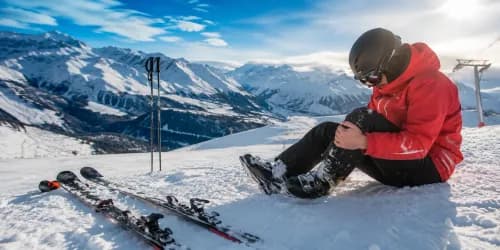
Planning a Ski Trip Abroad? Here's Why Standard Travel Insurance May Not Be Enough
Thursday, Jul 9, 2026
While standard travel insurance covers common travel risks, it may not include winter sports-related accidents, equipment damage, or emergency mountain rescue.
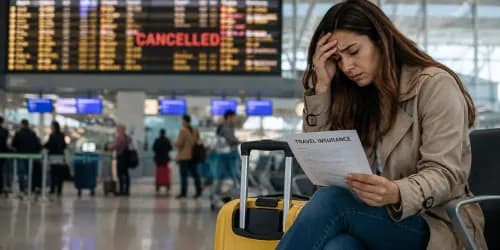
Why Smart Travellers Never Skip Travel Insurance: Lessons from Real-Life Mishaps
Thursday, Jul 9, 2026
Discover why travel insurance is an essential part of every trip. Learn from real-life travel mishaps—from medical emergencies and lost baggage to flight cancellations and passport issues.
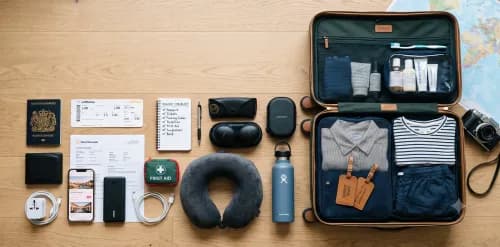
Holiday Travel Checklist: Must Have Essentials for a Stress Free Trip
Thursday, Jul 9, 2026
Planning a holiday? Stay organized and travel with confidence using this complete holiday travel checklist. From essential documents and packing must-haves to health, safety, and tech essentials, discover everything you need for a smooth, stress-free trip and enjoy your vacation without last-minute surprises.