Common Travel Challenges: Flight Delays, Lost Luggage, and More


Destination (from India)
Dates of Travel (optional)
List of Content
Introduction
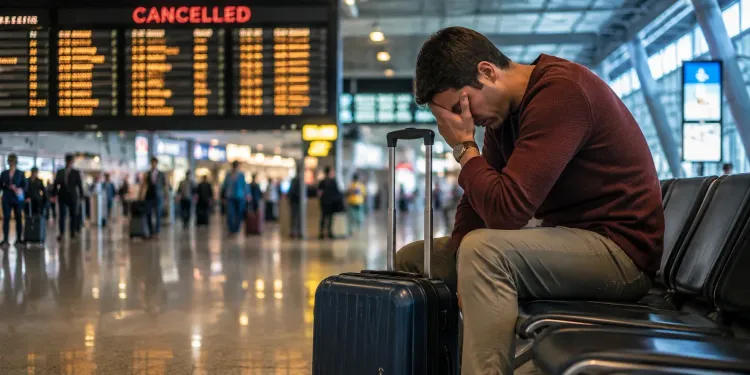
Picture this. You've spent months planning your Europe trip - visa done, itinerary set, currency sorted. You reach the airport three hours early because, well, you're Indian and your family wouldn't have it any other way. You check in, grab a cutting chai from the café, and stroll to the gate feeling like a seasoned globetrotter. Then the departure board updates: Flight Delayed - 6 Hours.
The chai suddenly tastes bitter.
Travel disruptions happen to everyone, from first-timers to those who practically live out of a suitcase. But the difference between a trip that survives the chaos and one that gets derailed entirely often comes down to one thing: knowing what to do before you're standing at the gate wondering what your rights are.
This guide covers the most common travel nightmares Indian travellers face - and exactly how to handle them.
1. Flight Delays
Delays are the most frequent travel headache, and they happen for all sorts of reasons - bad weather, air traffic congestion, technical issues, or a late incoming aircraft. Most of the time, they're no one's fault. That doesn't make waiting around any easier.
What to do immediately: Don't just sit and scroll through your phone. Head to the airline counter and ask for a status update. Depending on the airline, route, length of delay, and applicable regulations, passengers may be entitled to assistance such as meals, refreshments, accommodation, or alternative travel arrangements. Ask what assistance is available - many travellers simply don't ksnow to ask.
Keep every receipt for food, transport, or accommodation you spend money on because of the delay. These matter if you later make an insurance claim. And check your travel insurance policy - delays above a certain threshold are often covered.
2. Flight Cancellations
A cancellation does more damage than a delay - it can topple hotel bookings, pre-paid tours, and connecting flights like dominoes.
If your flight is cancelled, airlines will generally offer a refund, rebooking, or alternative travel arrangements, depending on the circumstances and applicable regulations. Airlines are supposed to inform you of your options. The key word here is supposed. In practice, airport staff are overwhelmed during mass cancellations, so it pays to be proactive: get on the airline's app, call their helpline, and monitor official announcements simultaneously.
Don't accept the first option offered if it doesn't work for you. Politely but firmly ask about alternatives. If you booked through a travel agent or an OTA like MakeMyTrip or Cleartrip, loop them in - they often have leverage you don't.
For Indian travellers flying on Indian carriers, the DGCA (Directorate General of Civil Aviation) has regulations on passenger rights during cancellations. For international flights, the rules of the origin or destination country may apply. Always check the specific airline's conditions of carriage and the latest applicable regulations for exact entitlements.
3. Lost or Delayed Luggage
Your bag went to Bangkok. You went to Barcelona. It happens more than airlines would like to admit.
Step one the moment you notice your bag hasn't arrived: don't leave the baggage claim area. Go straight to the airline's baggage counter - usually right next to the carousel - and file a Property Irregularity Report (PIR). This is non-negotiable. Without a PIR, you have no formal record of your complaint, and any claim you make later will be harder to process.
Get the reference number and keep it safe. Most airlines have online tracking portals where you can monitor your bag's status. Set up notifications if possible.
If your bag is delayed (as opposed to lost), airlines often provide an interim allowance for essential items like toiletries and clothing. The amount varies by carrier, so ask explicitly and keep receipts.
Prevention tips that actually work: Use a distinctive luggage tag. Take a photo of your bag before checking it in. Pack one day's essentials in your carry-on - especially medications, valuables, and anything irreplaceable.
4. Missed Connections
This is where booking strategy matters enormously.
If both flights are booked under a single itinerary, the airline(s) involved will generally assist with rebooking you to your final destination if a delay causes you to miss your connection. They'll rebook you, often at no extra cost.
If you've booked separate tickets to save money, you're on your own. The second airline has no obligation to accommodate you, and you'll likely need to buy a new ticket.
Lesson: when booking connecting flights independently, always leave more layover time than you think you need, especially if connecting through busy hubs like Dubai, Doha, or Frankfurt. Passport control and customs can take far longer than expected.
If you do miss a connection, stay calm, go directly to the airline counter, and explain your situation. Airlines deal with this daily and usually have a process - but you have to be there in person, not waiting at the gate wondering what to do.
5. Passport and Visa Problems
Surprising number of Indian travellers run into avoidable issues at immigration - and most of them come down to not double-checking the basics.
Passport validity: Many countries require your passport to be valid for at least six months beyond your travel dates. Some require more. Check the entry requirements of every country you're visiting, not just your final destination.
Visa errors: A wrong date, a misspelled name, the wrong visa category - these can result in boarding denial or detention at the destination. Cross-check every detail against your passport the moment your visa arrives. If anything looks off, contact the consulate before you travel.
Missing documents: Proof of accommodation, return tickets, travel insurance, bank statements, invitation letters - different countries require different supporting documents. Make a checklist based on official embassy websites, not travel forums.
It's also important to remember that a visa does not guarantee entry. Immigration officers can ask for proof of accommodation, return tickets, sufficient funds, or supporting documents. If you're unable to satisfy entry requirements, you may be denied entry despite holding a valid visa.
6. Visa Processing Delays
Schengen visa appointments are notoriously hard to come by, especially during peak travel seasons - summer, Diwali, Christmas. Processing times can stretch well beyond what consulates publicly advertise.
Apply early. Ideally, start the process two to three months before your intended travel date. Book refundable flights and accommodation where possible until your visa is confirmed. Never book non-refundable anything on the assumption your visa will arrive on time.
If your visa is delayed and your travel date approaches, contact the consulate through official channels. In some cases, travellers have successfully requested priority processing with valid reasons like medical emergencies or pre-paid bookings - but this is never guaranteed.
7. Lost Passport Abroad
Losing your passport in a foreign country is genuinely stressful, but it's more manageable than it feels in the moment.
Immediately: File a police report at the nearest police station. This is required for most emergency travel document applications.
Then: Contact the nearest Indian Embassy or High Commission. They can issue an Emergency Certificate (EC) or a fresh passport, though the latter takes longer. Carry their contact details before you travel - don't rely on finding them when you're already in a panic.
This is also where digital copies of your documents prove their worth. Store scanned copies of your passport, visa, and travel insurance in your email or a secure cloud drive. WhatsApp them to yourself if that's easier. A copy won't replace the original, but it dramatically speeds up the replacement process.
8. Health Emergencies While Travelling
A stomach bug in Southeast Asia or a sprained ankle in Europe can quickly spiral from inconvenient to financially devastating without travel insurance.
Even routine consultations, emergency room visits, or diagnostic tests can cost far more than most travellers expect. Travel insurance with adequate medical cover isn't a luxury; it's a necessity.
If you have a chronic condition like diabetes, hypertension, or asthma, carry enough medication for the entire trip and a few extra days as buffer. Keep prescriptions in their original packaging. Some countries have strict rules around bringing certain medications across borders - check this in advance.
In an emergency, call the local emergency services number (it's not always 112 - look it up before you land) and notify your travel insurance provider as early as possible. Most insurers have 24-hour helplines and can coordinate directly with hospitals.
9. Tourist Scams and Fraud
Scams targeting tourists are as old as tourism itself, but they continue to work because they catch people off-guard.
Common ones to watch out for:
• Unofficial taxis at airports that charge several times the metered rate. Always use prepaid cabs, official apps, or your hotel's arranged transport.
• Currency exchange traps - dodgy bureaux de change that offer great rates but conveniently "miscalculate." Use ATMs or bank-affiliated exchange counters.
• Fake visa websites that look official but charge unnecessary fees for services you could get directly from the consulate. Always apply through official government portals.
• The "friendship" scam - someone befriends you, takes you to a shop or restaurant, and you end up with an absurd bill. If something feels off, trust your gut.
When in doubt, slow down. Scammers rely on urgency and confusion. Taking five minutes to think or ask your hotel for advice can save you a lot of grief.
10. Payment and Currency Problems
"Card declined" is a phrase no one wants to hear abroad. It happens because Indian banks sometimes flag overseas transactions as suspicious and block them - even when you've done everything right.
Inform your bank and credit card companies about your travel plans before you leave. Enable international transactions on your cards. Carry a forex card as a backup, but know that even these can have issues at certain ATMs or merchants.
Most importantly, always have some local cash on you. Not everything runs on cards, particularly in smaller towns or local markets. Having a mix of payment options - one credit card, one debit card, a forex card, and some cash - means one failure doesn't derail your entire day.
11. Hotel Overbooking
Hotels overbook deliberately, banking on cancellations. Sometimes those cancellations don't come, and someone - possibly you - ends up without a room.
If this happens, don't just accept it quietly. Reputable hotels will often arrange alternative accommodation at a comparable property if they cannot honour your booking. Before accepting any alternative, clarify who will bear the additional costs and get the arrangement confirmed in writing. Get this confirmed in writing before you leave their property. Keep your original booking confirmation - you'll need it.
This is rare if you've booked directly with reputable hotels or major OTAs, but it does happen. A quick call to your hotel the day before arrival to reconfirm your booking takes two minutes and can save a nasty surprise at check-in.
12. Travel Insurance: Stop Skipping It
A startling number of Indian travellers still treat travel insurance as optional. It's not.
Think of it this way: you'd never drive without motor insurance. International travel - where a single hospital visit can cost more than your entire holiday - deserves the same respect.
A good travel insurance policy covers medical emergencies, trip cancellation, delays, lost luggage, and sometimes even missed connections. The key mistakes people make are buying the cheapest policy without reading what it covers, and failing to disclose pre-existing conditions (which can invalidate a claim entirely).
Read the policy. Understand the exclusions. And when something goes wrong, notify your insurer promptly - most policies have time limits on claims.
Before You Travel: A Quick Checklist
Pack your bags, yes - but also make sure you've ticked off these:
• Passport validity - valid for at least six months beyond your return date?
• Visa verified - name, dates, and visa type all match your passport exactly?
• Travel insurance - purchased and covers medical, cancellation, and baggage?
• Digital document copies - passport, visa, insurance policy, hotel bookings saved to cloud and email?
• Emergency contacts - Indian Embassy number for your destination saved in your phone?
• Backup payment - at least two payment methods, plus some local cash?
• Medication - enough supply for your trip plus a few extra days, with prescriptions?
• Bank notification - international transactions enabled on all cards?
Travel disruptions aren't failures of planning - they're just part of travelling. The people who handle them best aren't the ones who somehow avoid problems; they're the ones who prepared for the possibility that something might go sideways, and knew what to do when it did.
Go see the world. Just go informed.
Other topics
Explore and Discover

Planning a Ski Trip Abroad? Here's Why Standard Travel Insurance May Not Be Enough
Thursday, Jul 9, 2026
While standard travel insurance covers common travel risks, it may not include winter sports-related accidents, equipment damage, or emergency mountain rescue.
Why Smart Travellers Never Skip Travel Insurance: Lessons from Real-Life Mishaps
Thursday, Jul 9, 2026
Discover why travel insurance is an essential part of every trip. Learn from real-life travel mishaps—from medical emergencies and lost baggage to flight cancellations and passport issues.

Holiday Travel Checklist: Must Have Essentials for a Stress Free Trip
Thursday, Jul 9, 2026
Planning a holiday? Stay organized and travel with confidence using this complete holiday travel checklist. From essential documents and packing must-haves to health, safety, and tech essentials, discover everything you need for a smooth, stress-free trip and enjoy your vacation without last-minute surprises.