Why Ultra-Luxury Cruises Are Selling Out in Record Time


Destination (from India)
Dates of Travel (optional)
Introduction
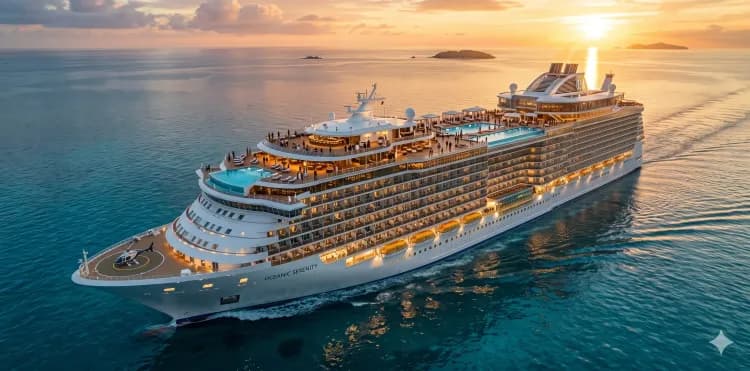
In the world of travel, few experiences scream indulgence like an ultra-luxury cruise. Think all-suite accommodations, Michelin-level dining, personal butlers, private shore excursions, and wellness offerings that rival top-tier retreats. But what once seemed like a niche market for the ultra-wealthy is now becoming one of the fastest-growing segments in travel. And it’s not just about opulence—it’s about exclusivity, access, and experience.
Since the pandemic, the definition of “luxury” has evolved. It’s no longer just about what money can buy—it’s about what money can’t always secure: privacy, space, freedom, and truly personalised service. Ultra-luxury cruises are meeting that need, and then some. While other sectors of the travel industry still struggle with staffing or lagging demand, luxury cruise lines like Silversea, Regent Seven Seas, and Explora Journeys are seeing their sailings snapped up months—and sometimes years—in advance.
Even with prices that can easily exceed £1,000 per person per night, these cruises are selling out faster than ever. Some 2025 and 2026 world voyages were fully booked within hours of launch. This isn't just a return to cruising—it's a full-blown renaissance, with travellers prioritising once-in-a-lifetime experiences, stress-free exploration, and the reassurance of impeccable service.
So, what’s driving this spike in demand? Why are ultra-luxury cruises becoming the go-to choice for discerning travellers—and what does that say about the future of high-end travel?
What Makes Ultra-Luxury Cruises Truly Stand Out?
Ultra-luxury cruises have become the benchmark for personalised indulgence and exclusivity at sea. Several hallmark features set them apart from traditional cruises, transforming the entire experience into that of a floating boutique hotel or private club—one reason behind the high-end cruise travel boom we’re witnessing today.
● Personalised Butler Service & Exceptional Staff
A defining hallmark is the near-universal inclusion of personal butlers for every suite. These attendants manage everything from unpacking luggage to arranging in-suite dining, customised excursions, and special occasion celebrations, ensuring that every detail is seamlessly handled. On Silversea, for example, every suite receives white-glove butler service, and staff frequently anticipate needs before they’re spoken. Regent Seven Seas and Seabourn similarly pride themselves on high staff-to-guest ratios—sometimes nearly 1:1—creating an environment of attentive, intuitive hospitality. Staff members quickly learn guest preferences, creating an atmosphere akin to a private residence.
● World-Class Cuisine & Michelin-Star Talent
Dining on ultra-luxury cruises rivals top land-based restaurants. Onboard chefs often have Michelin pedigrees or partnerships with renowned restaurateurs: Crystal’s collaboration with chef Nobu is a standout, while Silversea’s S.A.L.T. (Sea and Land Taste) programme includes immersive culinary excursions, onboard cooking demonstrations, and locally inspired menus.
● All-Inclusive Excursions and Experiences
“All-inclusive” here means more than gourmet meals and drinks: private, small-group, and custom excursions (such as Galápagos wildlife tours or private Mediterranean wine tastings) are often bundled into the ticket price. Regent Seven Seas, for instance, offers “Unlimited Shore Excursions.”
● Boutique Ships with Intimate Ambience
Ultra-luxury ships are smaller—often carrying under 750 guests—and foster a private club atmosphere and destination exclusivity unavailable elsewhere. New contenders like Four Seasons, Ritz-Carlton, and Explora Journeys further raise the bar, emphasizing residential-style design, more space per guest, and itineraries to less-accessible ports.
● Curated, Once-in-a-Lifetime Itineraries
From polar expeditions in Antarctica to lesser-known Mediterranean gems, ultra-luxury cruise lines now focus on authenticity and cultural immersion. Seabourn and Silversea are leaders here, with itineraries guided by onboard naturalists, historians, and local experts.
● Flagship Brands Leading the Way
○ Silversea: Renowned for its immersive shore tours and top-tier culinary offerings
○ Regent Seven Seas: Offers unmatched inclusivity—everything from business-class flights to excursions is part of the package.
○ Seabourn: Aims for club-like elegance with refined service and small expedition vessels.
○ Ritz-Carlton Yacht Collection: Blends hotel luxury with yachting intimacy, drawing repeat travellers who value privacy.
With luxury cruise lines selling fast across the globe, this sector is clearly tapping into travellers’ renewed appetite for immersive, stress-free, and luxurious journeys. These experiences are no longer a niche—they’re quickly becoming the gold standard.
Who’s Booking? Changing Demographics of Luxury Cruisers
In 2025, the profile of the ultra-luxury cruise guest is more dynamic than ever before. Once dominated by affluent Baby Boomers, today’s luxury cruise scene reflects a broader mix of ages, travel styles, and motivations. This shift is not only refreshing—it’s fuelling the ongoing high-end cruise travel boom.
● Younger Travellers Take the Helm
Millennials and younger Gen X travellers now represent a growing share of the market. The average age of the ultra-luxury cruiser has dropped to around 46, with more than a third under 40. These guests crave more than comfort—they want personalised, tech-enabled, and culturally rich experiences they can share and remember. They are also more likely to opt for shorter sailings, themed journeys, or small-ship expeditions to remote destinations.
● Families & Multi-Generational Groups
Baby Boomers still form a key part of the market, but how they travel has evolved. Around 28% of ultra-luxury cruise bookings now include three or more generations, as families use cruises to celebrate milestones and reconnect across ages—often with a private butler and tailored excursions for everyone.
● Solo Adventurers & Upgraders
Solo travellers have doubled in number compared to just a few years ago, and cruise lines are responding with better pricing and social programming. At the same time, experienced cruisers who once chose premium or mass-market lines are “trading up” for the elevated service and exclusivity now typical of ultra-luxury brands.
● A Global and Purpose-Driven Audience
As ultra luxury cruise trends 2025 reflect, today’s guests come from a more diverse global pool—while North America remains the most popular market, audiences now also include Asia, Latin America, and the Middle East. They’re not only wealthier but more experience-led. Many are seeking meaningful travel, and they expect cultural depth, wellness options, and seamless connectivity onboard.
In short, the people behind why luxury cruises are popular now span generations and continents—but they all share a desire for comfort, purpose, and curated luxury at sea. With demand rising, it’s no surprise that luxury cruise lines are selling fast.
What’s Next? Trends Shaping the Future
Emerging ultra luxury cruise trends 2025 point decisively towards a future shaped by three powerful forces: sustainability, immersive itineraries, and AI-led personalisation. Together, these shifts are not just enhancing the cruise experience—they’re reshaping what guests now expect from high-end travel at sea.
● Sustainability Is the New Standard
Eco-conscious cruising is no longer optional. Today’s top-tier cruise lines are investing in hybrid propulsion systems—ranging from LNG and methanol to hydrogen and advanced battery storage—to reduce emissions. Onboard, water treatment plants, closed-loop waste systems, and AI-powered resource monitoring help preserve fragile marine environments. Brands are focusing on designing ships around carbon-neutral goals, biophilic interiors, and sustainable sourcing for everything from furniture to food. This shift speaks directly to why luxury cruises are popular now—they align indulgence with impact, a key priority for modern affluent travellers who want meaning alongside comfort.
● Experiences, Not Just Itineraries
The high-end cruise travel boom has ushered in an era where cruises double as curated, land-sea experiences. Travellers now expect off-grid adventures, cultural depth, and seamless transitions between ship and shore. Whether it’s kayaking past icebergs in Greenland, anchoring off a private cove in the Aegean, or joining a locally-led food tour in Sicily, itineraries are more personal and place-driven than ever.
Onboard, enrichment goes beyond fine dining—think talks by archaeologists, guest residencies from Michelin-starred chefs, and wellness retreats that begin the moment you embark. This is the new face of luxury cruising: immersive, intentional, and impossible to replicate.
● Smart Ships, Tailored Journeys
AI and automation are becoming the backbone of modern ship design. On ultra-luxury vessels, guests are checked in through facial recognition, access cabins with voice commands, and enjoy real-time itinerary adjustments based on weather, personal preference, or historic data. AI-led concierge systems anticipate dining tastes, schedule spa treatments, and even remember your pillow preference across sailings. This personalised, intuitive service defines ultra luxury cruise trends 2025, enhancing guest satisfaction at every stage.
● Wellness at Sea Becomes Transformative
Wellness has moved beyond spas into fully immersive, health-driven cruising. Think infrared saunas with ocean views, AI-powered fitness, and regenerative longevity programmes. Some lines are even debuting medical-grade wellness clinics with sleep optimisation and biohacking therapies. This evolution emphasizes why luxury cruises are popular now: they cater to affluent travellers seeking transformation, not just relaxation.
● Design That Tells a Story
Future ships will be more than floating hotels—they’ll be destinations in themselves. Expect immersive architecture—glass-domed lounges, retractable balconies, and biophilic interiors designed to reconnect guests with nature. Luxury lines are introducing modular suites, private sky decks, and rotating art exhibitions to elevate the onboard experience. Luxury lines are experimenting with modular suites and retractable verandas to maximise privacy and connection to nature. These innovations highlight how the high-end cruise travel boom is being fuelled by design that blends exclusivity with authenticity.
This hyper-personalised approach is central to ultra luxury cruise trends 2025, reflecting the growing desire for seamless, tech-enabled hospitality that feels both luxurious and intuitive. From predictive maintenance to AI-enhanced crew deployment, these innovations also support operational excellence behind the scenes—ensuring smoother journeys, fewer delays, and a consistently elevated guest experience.
Conclusion
Step onto the deck of an ultra-luxury cruise in 2025, and it becomes clear why the industry feels less like a passing travel trend and more like a movement shaping the future of holidays at sea. The quiet clink of champagne flutes, the discreet hum of cutting-edge technology, and the effortless blend of comfort with sustainability—all tell the story of a sector that has transformed itself into the very definition of modern wanderlust.
At the heart of ultra luxury cruise trends 2025 is the desire for journeys that go beyond indulgence. Travellers are no longer satisfied with standard itineraries or crowded ports of call. They crave unique, once-in-a-lifetime experiences—sailing into less-travelled harbours, dining on regionally inspired cuisine, and engaging with cultures in meaningful ways. This quest for authenticity is what fuels the high-end cruise travel boom, turning voyages into immersive adventures rather than simple escapes.
It also explains why luxury cruises are popular now. For many, it isn’t only about being pampered; it’s about finding balance—between personal space and community, opulence and sustainability, relaxation and discovery. The ships themselves are evolving into floating sanctuaries, where design innovations, wellness programmes, and eco-conscious practices reflect the values of a new generation of luxury travellers.
No wonder luxury cruise lines are selling fast. As cabins book out months in advance, it’s clear the demand is not just a surge but a signal. These journeys answer deeper needs—time to slow down, connect with the world in a curated yet authentic way, and do so wrapped in elegance.
In 2025, the seas are more than just waters to cross; they are pathways to a richer, more intentional kind of travel—one where luxury is not only seen and felt, but truly lived.
FAQs
Are ultra-luxury cruises suitable for solo travellers?
Absolutely. Many luxury cruise lines now cater specifically to solo guests, offering single-occupancy suites, reduced single supplements, and social programming like hosted dinners, enrichment classes, and curated shore excursions.
Are private islands part of ultra-luxury cruise trends 2025?
Absolutely—exclusive island access has become a hallmark. These private escapes offer privacy, curated dining, and adventure activities away from crowded ports.
What is the dress code on ultra-luxury cruises in 2025?
While formal nights still exist, the trend is moving towards “elevated casual.” Think designer resort wear, tailored separates, and relaxed elegance over black tie.
Can families travel on ultra-luxury cruises, or are they adults-only?
Although some ships remain adults-only, several ultra-luxury lines now welcome families—particularly on themed voyages or school holiday itineraries.
Other topics
Explore and Discover

Planning a Ski Trip Abroad? Here's Why Standard Travel Insurance May Not Be Enough
Thursday, Jul 9, 2026
While standard travel insurance covers common travel risks, it may not include winter sports-related accidents, equipment damage, or emergency mountain rescue.

Why Smart Travellers Never Skip Travel Insurance: Lessons from Real-Life Mishaps
Thursday, Jul 9, 2026
Discover why travel insurance is an essential part of every trip. Learn from real-life travel mishaps—from medical emergencies and lost baggage to flight cancellations and passport issues.

Holiday Travel Checklist: Must Have Essentials for a Stress Free Trip
Thursday, Jul 9, 2026
Planning a holiday? Stay organized and travel with confidence using this complete holiday travel checklist. From essential documents and packing must-haves to health, safety, and tech essentials, discover everything you need for a smooth, stress-free trip and enjoy your vacation without last-minute surprises.