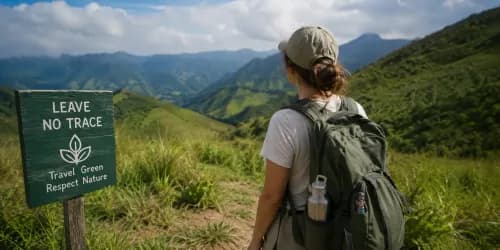
The Rise of Regenerative Travel: How to Give Back to Destinations You Visit


Destination (from India)
Dates of Travel (optional)
Introduction
In 2025, travel is no longer just about ticking destinations off a bucket list—it’s about making a positive impact. That’s where regenerative travel comes in. Unlike traditional tourism, which can often leave a trail of environmental and cultural damage, regenerative tourism goes a step beyond sustainability. It focuses on restoring and improving the places we visit, not just reducing harm.
While sustainable tourism aims to do less damage and eco-tourism often focuses on nature-based trips, regenerative tourism looks at the bigger picture. It encourages travellers to actively give back—by supporting community-based tourism, engaging with local cultures in respectful ways, and choosing experiences that benefit people and the planet.
This shift is gaining momentum in 2025 as travellers become more aware of the effects of overtourism, climate change, and the loss of cultural heritage. More people are seeking meaningful, intentional trips that align with their values. At the same time, responsible travel providers are stepping up, offering holidays that support local economies, protect natural ecosystems, and create lasting benefits for the communities they touch.
Regenerative travel isn’t just a trend—it’s a new way of exploring the world with care, purpose, and long-term thinking.
Why Regenerative Travel Matters Now
Imagine standing on a once-pristine beach, only to find it littered with plastic, the coral reef offshore bleached and lifeless. The locals, once eager to welcome visitors, now seem distant—tired of the crowds, the noise, the disruption to their daily lives. This is the harsh reality left behind by mass tourism, and it’s playing out in popular destinations across the world.
Over the past decade, the cracks in conventional tourism models have widened. Iconic sites—from Venice to Machu Picchu—have buckled under the pressure of overtourism. The environmental cost has been staggering: damaged habitats, water shortages, carbon-heavy transport, and rising pollution levels. What was once labelled “eco-tourism” or “sustainable travel” is no longer enough. Minimising harm isn’t sufficient when the damage already done runs so deep.
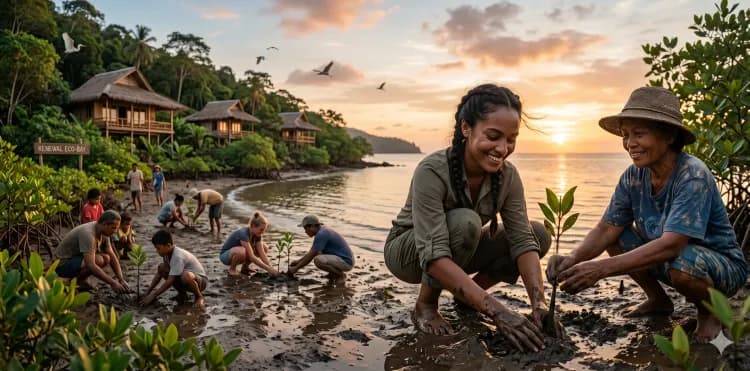
That’s where regenerative tourism steps in. It flips the model—asking not how we can take less, but how we can give more. Unlike traditional travel, which often extracts value from destinations, regenerative travel is designed to restore, support, and replenish. Whether that means travellers helping to replant mangroves in Sri Lanka or staying with families involved in community-based tourism in the Andes, the goal is the same: leave places better than you found them.
But regeneration isn’t just about the environment. It’s cultural, too. In many destinations, centuries-old crafts, music, and stories are disappearing—not because they’re irrelevant, but because tourism hasn’t supported them meaningfully. When visitors favour commercialised versions of culture, the authentic slowly fades. With the rise of regenerative travel, more responsible travel providers are working directly with local artisans, musicians, and storytellers—ensuring the benefits of tourism stay within communities, not siphoned off by outside corporations.
The pandemic acted as a global reset. With flights grounded and cities emptied, many travellers started rethinking how and why they travel. The result? A growing desire for slower, more meaningful journeys that foster connection—not consumption.
Today, regenerative tourism is no longer niche. It’s becoming a guiding principle for a new generation of conscious travellers—people who want to see the world without costing the earth. It’s not just about offsetting carbon footprints; it’s about rebuilding ecosystems, supporting real communities, and ensuring that travel becomes a force for good.
Key Principles of Regenerative Travel
Regenerative tourism isn’t just a trend—it’s a return to common sense. Rather than simply reducing harm, it urges us to give back more than we take. This movement pushes beyond sustainability, asking: How can travel actively restore the people, cultures, and ecosystems we touch?
At its core is the principle of “leaving places better than we found them.” Whether it’s a coastal town battered by over-tourism or a rural village struggling to hold on to its heritage, regenerative tourism challenges us to rethink every part of the journey. Where we stay, what we eat, how we travel—it all counts.
The first principle is community empowerment. Regenerative tourism puts local people at the centre. Instead of flying in foreign developers or managers, it promotes community-based tourism, where decisions are made by locals, for locals. This ensures that the economic and cultural benefits stay in the community. From family-run homestays to women-led craft cooperatives, these experiences not only feel more authentic to travellers—they also build pride and resilience among residents.
Next comes ecological restoration. Many regenerative travel projects work to revive degraded landscapes—be it reforesting hillsides, restoring coral reefs, or rewilding abandoned farmlands. But here’s the twist: travellers aren’t just spectators—they participate. Plant a tree. Help clear a trail. Support a conservation initiative. These are small but meaningful ways to turn travel into a tool for environmental healing.
Preserving cultural heritage is equally important. Instead of turning traditions into performances, regenerative tourism helps communities preserve their identity—from language and food to architecture and rituals. Travellers are encouraged to learn respectfully, not consume passively.
And let’s not forget money. Regenerative travel supports responsible travel providers who hire locally, source supplies from nearby farms, and avoid extractive middlemen. When tourism is built this way, it keeps profits circulating within the destination, fuelling everything from schools to social enterprises.
Taken together, these principles create a blueprint for a better way to travel—one that restores the land, uplifts its people, and respects culture. It's tourism that makes things whole again.
Real-World Examples of Regenerative Travel
Regenerative tourism may sound idealistic, but it’s already thriving in places where people, planet, and profit align. Around the world, a growing number of destinations and operators are proving that this model works—and that travellers are ready for something more meaningful.
Take Lapa Rios Ecolodge in Costa Rica. Tucked inside a 1,000-acre private rainforest reserve, this lodge doesn’t just blend into its environment—it helps restore it. Guests are invited to plant native trees, learn about waste management, and engage with wildlife conservation efforts. The lodge is solar-powered, plastic-free, and sources food from local organic farms. More importantly, it invests in local education and livelihoods, proving that tourism can serve as a lifeline—not a burden.
On the other side of the world, Bawah Reserve in Indonesia’s Anambas Islands is turning a luxury getaway into a case study in regeneration. Here, you’ll find coral rehabilitation, mangrove replanting, and floating solar panels—all part of its mission to restore marine biodiversity. Infrastructure is built using recycled materials, and staff come from nearby communities, receiving training, healthcare, and a stake in the resort’s success.
Beyond hotels, responsible travel providers are taking the lead. In Peru, operators partner with Andean villages to offer hiking tours that include tree planting, agroforestry, and cultural exchange. Rather than pass through these communities, travellers become temporary collaborators—helping revive native ecosystems and preserving ancestral farming methods.
In Bhutan’s Nobgang village, a women-led initiative transformed a fading town into a regenerative model. They restored historic buildings, opened a restaurant, and trained women in hospitality. The result? A rebounding local economy, renewed cultural pride, and a destination where visitors feel like guests, not consumers.
Volunteer travel is also changing. Instead of quick, one-off projects, many now involve long-term, skill-based contributions co-designed with local partners. Think mentoring youth, helping with infrastructure, or supporting reforestation over weeks—not days. The focus is on real impact, not feel-good optics.
These examples show how regenerative tourism turns intention into action. It’s no longer about taking perfect photos. It’s about leaving a lasting, positive footprint—on people, places, and the planet.
Challenges and Criticisms of Regenerative Travel
While regenerative tourism holds great promise, several real-world challenges threaten its credibility and future. Here’s a closer look at the key issues:
● Greenwashing is on the rise
Many tourism brands market themselves as “regenerative” without taking meaningful action. In the absence of agreed definitions or accountability, some responsible travel providers misuse the term to attract eco-conscious travellers—without backing it up with results. A luxury resort may claim to “give back to nature” while still consuming vast amounts of water and energy. Without transparent reporting, travellers are left relying on glossy brochures rather than measurable impact.
● Cost and accessibility create barriers
The price tag attached to many regenerative experiences risks making them exclusive. For instance, eco-lodges in remote locations may charge hundreds per night, pricing out students, backpackers, or families. Critics argue that unless models adapt to include affordable, community-centred options, regenerative tourism will remain a niche for elites rather than a global shift.
● Performative efforts dilute impact
Some projects are more about optics than outcomes. Tourists may plant trees or visit schools briefly without understanding the long-term context or impact. These acts, though well-meaning, risk becoming surface-level gestures rather than genuine change. In fact, some communities report “voluntourism fatigue”, where short-term projects create more disruption than benefit
● Lack of global standards
Unlike traditional eco-tourism, regenerative tourism doesn’t yet follow a universal framework. There are no global certifications, performance metrics, or legal requirements to ensure accountability. This makes it hard to identify truly responsible travel providers and opens the door to inconsistent or misleading claims. This regulatory vacuum means that responsibility falls heavily on travellers to research providers.
● Community-based tourism isn't always community-led
Some community-based tourism models still involve outsiders or NGOs, with local people included only symbolically. This risks reinforcing unequal power structures and can even create cultural exploitation, where traditions are packaged for tourists rather than preserved for communities themselves. Token inclusion does not equal meaningful participation.
· Balancing environmental goals with local economic needs
Perhaps the most complex challenge is reconciling ecological preservation with the financial realities of host communities. For example, limiting visitor numbers to protect fragile ecosystems can reduce much-needed income for families who rely on tourism. Striking this balance requires careful, locally led planning—ensuring that sustainability efforts do not unintentionally deprive people of their livelihoods
Conclusion
Travel has always been about stories—the places we visit, the people we meet, and the memories we carry home. What makes regenerative tourism different is that it adds another layer to those stories. Instead of being just a visitor, you become part of a place’s renewal. Imagine helping a reef recover by supporting coral projects, or joining farmers who revive old cultivation methods—you leave not only with photographs, but also with the feeling that your journey mattered.
The heart of this movement lies in community-based tourism. When locals shape the experiences and share their traditions on their own terms, travel becomes more authentic. You’re not simply observing from the outside—you’re stepping into living culture, guided by people who know their land best. It’s the difference between watching a performance and being invited into someone’s home kitchen to share a meal.
Of course, it also matters who we travel with. More responsible travel providers are beginning to design trips that genuinely support regeneration rather than just advertise it. The key is looking beyond glossy promises: asking where your money goes, who benefits, and how the impact lasts once you’ve gone.
In the end, regenerative travel is less about perfection and more about intention. Each thoughtful choice—slowing down, listening deeply, leaving something behind for others—becomes a thread in a bigger story. In a time of climate urgency and overtourism fatigue, regenerative tourism gives us a hopeful path forward. But for it to become the new standard—not just a niche—it must remain grounded, accessible, and genuinely regenerative in every sense of the word.
FAQ
1. How can I tell if a travel experience is truly regenerative?
Look for clear actions—like local partnerships, environmental restoration, or cultural preservation. If it’s all buzzwords with no proof, it’s likely greenwashing.
2. Can cities support regenerative tourism?
Yes, urban areas can regenerate too—through heritage projects, social enterprises, and green spaces. It’s all about benefiting local communities in lasting ways.
3. Is regenerative tourism possible on a budget?
Absolutely—stay local, travel slow, and support small businesses or community-led tours. Regeneration isn’t about luxury; it’s about intention.
Other topics
Explore and Discover

Planning a Ski Trip Abroad? Here's Why Standard Travel Insurance May Not Be Enough
Thursday, Jul 9, 2026
While standard travel insurance covers common travel risks, it may not include winter sports-related accidents, equipment damage, or emergency mountain rescue.

Why Smart Travellers Never Skip Travel Insurance: Lessons from Real-Life Mishaps
Thursday, Jul 9, 2026
Discover why travel insurance is an essential part of every trip. Learn from real-life travel mishaps—from medical emergencies and lost baggage to flight cancellations and passport issues.

Holiday Travel Checklist: Must Have Essentials for a Stress Free Trip
Thursday, Jul 9, 2026
Planning a holiday? Stay organized and travel with confidence using this complete holiday travel checklist. From essential documents and packing must-haves to health, safety, and tech essentials, discover everything you need for a smooth, stress-free trip and enjoy your vacation without last-minute surprises.