Overtourism and Social Media: The Double-Edged Sword of Viral Destinations


Destination (from India)
Dates of Travel (optional)
Inspiration and Discovery
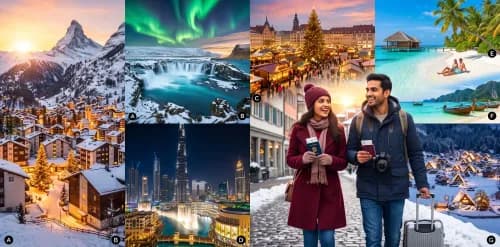
For many, the journey begins long before boarding a flight—it starts with a scroll through their feed. TikTok, in particular, has become a powerful search engine for travel, with its algorithm-driven content introducing users to lesser-known destinations that may not appear in traditional guidebooks.
Stronger Engagement and Personalised Experiences
Beyond inspiration, social media enables real-time engagement and personalised travel planning. Travellers can connect with fellow explorers, seek recommendations, and receive instant updates about local events, weather conditions, or even hidden costs at popular attractions. This sense of community allows for a more curated and meaningful travel experience—one based on genuine interactions rather than just static itineraries.
Economic Growth and Support for Local Businesses
The viral nature of social media has also had a significant impact on tourism economies. Small businesses—such as boutique hotels, independent cafés, and local tour guides—now have a platform to showcase their offerings without the need for massive marketing budgets. User-generated content has driven footfall to previously overlooked destinations, creating new revenue streams for local communities. Many regions have benefited from this digital exposure, with sustainable tourism initiatives emerging to ensure long-term success.
While social media has undoubtedly enhanced travel in countless ways, it also comes with challenges—particularly the risk of overtourism and the commodification of viral destinations. The key lies in responsible exploration, where travellers move beyond viral trends and embrace the true essence of a place. After all, the most memorable journeys are not just about capturing the perfect photo, but about experiencing a destination with authenticity and respect.
Take TikTok, for example—its algorithm-driven content has skyrocketed interest in emerging destinations, with travel content views increasing fivefold since 2021. Platforms like Instagram showcase picture-perfect spots, encouraging travellers to visit unique and offbeat places that they might not have otherwise considered. This has helped small businesses thrive, from boutique hotels to local cafés, as travellers seek out the experiences they’ve seen online. Even remote work culture has benefited, with social media fueling the rise of digital nomad destinations, where professionals can work from scenic spots while contributing to local communities.
The Dark Side of Social Media in Tourism
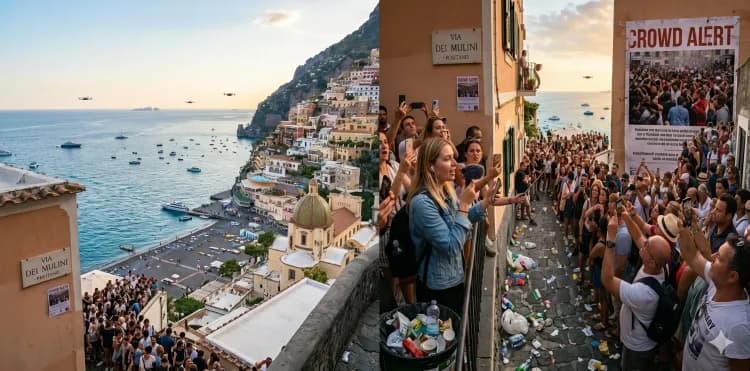
However, with this surge in popularity comes a double-edged sword—the rise of over-tourism and the commodification of travel experiences. Places once prized for their tranquillity and authenticity are now struggling under the weight of mass tourism driven by viral trends. The race to capture the perfect travel shot has transformed once-serene destinations into overcrowded hotspots, often straining local resources and infrastructure.
Overtourism and Environmental Strain
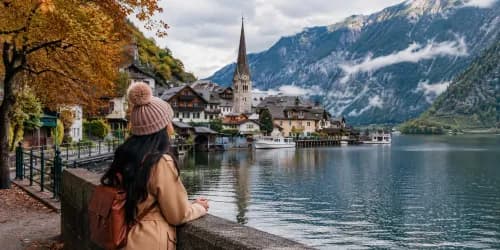
The power of a viral post can be a double-edged sword. Once-secluded natural wonders like Maya Bay in Thailand had to be temporarily closed due to environmental damage caused by excessive foot traffic. Similarly, once-quiet villages in the Italian countryside are now struggling to manage the influx of tourists drawn by social media exposure, sometimes leading to restrictions on visitor numbers or even entry bans. These locations, once cherished for their tranquillity, now face issues such as traffic congestion, excessive littering, and damage to fragile ecosystems. In extreme cases, governments have had to restrict access or even temporarily close destinations to allow nature to recover.
The Rise of ‘Checklist Tourism’
Social media has created a culture of performative travel, where experiences are often dictated by what looks best on camera rather than genuine exploration. Many travellers now visit places not out of personal curiosity but because they’ve seen them trending online. Viral destinations like Santorini, Bali, and Kyoto have seen an overwhelming influx of tourists who arrive with a checklist of Instagrammable spots, often missing out on the deeper cultural and historical significance of these places. A prime example is the Chiesa di Sant’Ignazio di Loyola in Rome, which experienced a surge in visitors not for its artistic and religious history, but for a strategically placed selfie mirror that allows tourists to capture its ornate ceiling without craning their necks. This trend shifts the focus from cultural appreciation to simply "getting the shot.". This has led to staged, overcrowded attractions that cater more to social media trends than to authentic cultural experiences.
Impact on Local Communities
The influx of social media-driven tourism has also disrupted local life in many areas. Historic neighbourhoods, once home to residents and small businesses, have been transformed into tourist-centric zones filled with souvenir shops, Instagrammable cafés, and short-term rental accommodations. This has driven up property prices and made it difficult for locals to maintain their way of life. In cities like Barcelona and Venice, locals have actively protested against mass tourism, citing overcrowding, rising living costs, and the loss of community spaces.
The Responsibility of Travellers
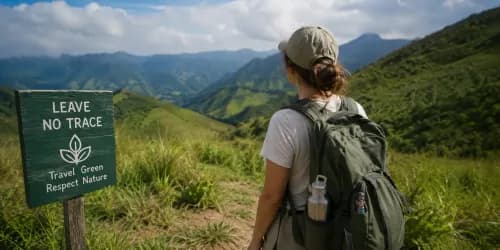
The influence of social media on tourism is undeniable, but the way we engage with destinations can make all the difference. Travellers can counteract the negative effects by seeking out lesser-known spots, respecting local customs, and prioritising meaningful interactions over viral moments. Instead of simply chasing the ‘must-visit’ photo, the focus should shift towards experiencing a destination fully, with mindfulness and appreciation for its culture and environment.
The challenge for modern travellers is clear—will we use social media to enhance our journeys, or will we let it dictate them?
Combating Overtourism: Rethinking the Way We Travel
Many destinations have begun implementing measures to regulate tourism numbers, preserve quality of life for residents, and protect natural landscapes. From entry restrictions to visitor dispersal campaigns, these strategies aim to ensure that travel remains sustainable in the long run.
● Restricting Overcrowding at Key Attractions
Some of the world’s most visited landmarks have introduced timed entry systems to regulate visitor numbers. The Acropolis in Greece and U.S. national parks like Arches National Park in Utah now require advance booking and timed permits, reducing congestion and allowing for a more enjoyable visitor experience.
● Limiting Cruise Ship Arrivals
Cruise tourism has been a major contributor to overtourism, bringing in large numbers of tourists in short bursts, often overwhelming small cities. Dubrovnik, Croatia, has introduced caps on the number of cruise ships allowed per day, helping to ease congestion in its historic centre.
● Banning or Restricting Short-Term Rentals
Cities like Barcelona have taken steps to regulate Airbnb-style short-term rentals, which have driven up housing prices and displaced local residents. By banning new short-term rental licences, Barcelona hopes to make the city more livable for locals while controlling unchecked tourism growth.
● Discouraging Peak-Season Travel
Some destinations are actively nudging visitors toward off-season travel to ease peak-season congestion. Venice, Italy, has introduced a day-tripper fee for visitors arriving during peak times, encouraging tourists to visit during quieter months or stay longer rather than just making a brief stop.
● Encouraging Visitor Dispersal
Rather than concentrating tourists in a handful of famous locations, some governments are promoting lesser-known regions. Japan, for example, has partnered with influencers to highlight off-the-beaten-path destinations, helping distribute tourism more evenly across the country.
● Education Campaigns for Responsible Tourism
The city of Florence has taken a different approach, launching campaigns to educate tourists on how to behave respectfully toward the city and its residents. This includes everything from discouraging littering to ensuring visitors engage with local culture in a meaningful way.
While these measures can make a significant difference, policy alone cannot fix overtourism. The responsibility also falls on travellers and tourism companies to adopt more mindful practices.
How Travellers Can Be Part of the Solution
As travellers, we have more power than we realise when it comes to shaping the future of tourism. By making conscious travel choices, we can help alleviate overtourism’s impact and create more sustainable, meaningful travel experiences.
1. Travel Off the Beaten Path
Instead of heading to overcrowded destinations, why not explore places that don’t make it onto every Instagram list? Lesser-known villages, small coastal towns, or hidden countryside retreats often provide a more immersive and rewarding experience than over-touristed cities. This doesn’t mean avoiding popular places altogether but rather balancing our itineraries with under-the-radar gems that are just as spectacular.
2. Travel in the Off-Season
Visiting a destination during its quieter months not only reduces pressure on local infrastructure but also offers a more authentic experience. You’ll avoid the crowds, get better deals on accommodation, and engage more meaningfully with locals. Paris, for example, is just as charming in winter as it is in summer—without the endless queues at the Louvre.
3. Stay Longer, Travel Slower
The trend of "slow travel"—spending more time in fewer places—is a powerful antidote to overtourism. Instead of hopping from city to city for short stays, consider spending a few weeks or even months in a single location. This allows travellers to connect with the local culture, support small businesses, and reduce their overall travel footprint.
The Future of Travel
Overtourism isn’t an issue with a single solution—it requires collaboration between governments, businesses, and travellers to create a more sustainable future for tourism. While cities implement policies to manage visitor numbers, travellers hold the real power to change the way we explore the world.
The choice is ours: do we continue contributing to the problem, or do we become part of the solution? By travelling more responsibly, exploring mindfully, and respecting the places we visit, we can ensure that the beauty and cultural richness of destinations remain intact for generations to come.
After all, travel should be about more than just ticking off a list of must-see spots—it should be about connection, respect, and meaningful experiences.
FAQ
What role do influencers and travel bloggers play in overtourism?
Travel influencers and bloggers can contribute to over-tourism by showcasing specific locations in a way that encourages mass tourism. However, they can also help promote sustainable travel by highlighting lesser-known destinations, educating followers on responsible tourism, and advocating for off-season travel.
How can local communities benefit from responsible tourism?
When tourism is managed well, it can boost local economies by supporting family-run businesses, local artisans, and eco-friendly accommodations. Encouraging visitors to explore beyond tourist hubs and engage with the local culture can create a more sustainable tourism model.
Are there ethical concerns with geotagging specific locations on social media?
Yes, geotagging can lead to an overwhelming influx of tourists to previously undiscovered locations, sometimes causing environmental damage or disrupting local life. Some travellers and influencers now opt for "secret spots" policies, where they share experiences without revealing exact locations.
Other topics
Explore and Discover

Planning a Ski Trip Abroad? Here's Why Standard Travel Insurance May Not Be Enough
Thursday, Jul 9, 2026
While standard travel insurance covers common travel risks, it may not include winter sports-related accidents, equipment damage, or emergency mountain rescue.
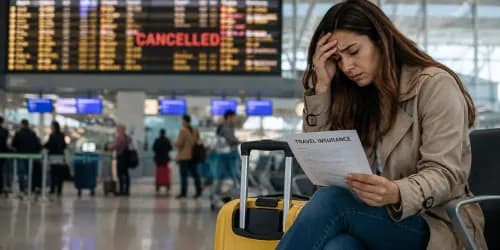
Why Smart Travellers Never Skip Travel Insurance: Lessons from Real-Life Mishaps
Thursday, Jul 9, 2026
Discover why travel insurance is an essential part of every trip. Learn from real-life travel mishaps—from medical emergencies and lost baggage to flight cancellations and passport issues.
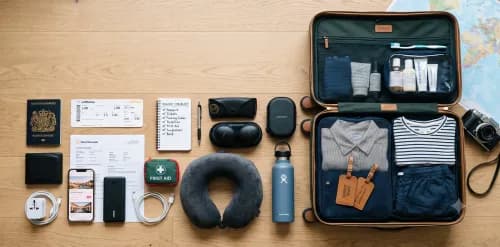
Holiday Travel Checklist: Must Have Essentials for a Stress Free Trip
Thursday, Jul 9, 2026
Planning a holiday? Stay organized and travel with confidence using this complete holiday travel checklist. From essential documents and packing must-haves to health, safety, and tech essentials, discover everything you need for a smooth, stress-free trip and enjoy your vacation without last-minute surprises.