Solo Travel is Changing: Why Safety & Tech Are Making It More Accessible Than Ever


Destination (from India)
Dates of Travel (optional)
Introduction
Solo travel is not just a trend anymore—it is a movement. More people than ever are choosing to explore the world on their own terms, seeking adventure, independence, and the thrill of the unknown. Whether it is a quiet retreat in the mountains or a bustling city escape, travelling solo offers a unique kind of freedom. But for many, one concern remains at the forefront—solo travel safety.
In the past, safety worries kept many from taking the plunge into solo travel. But things are changing. Technology, community-driven platforms, and smarter travel planning tools are making solo journeys more secure and accessible than ever. From real-time safety apps to AI-powered itinerary planners, solo travellers now have more support at their fingertips. Even social travel communities are helping people connect with like-minded explorers, turning solo trips into shared experiences.
Women, in particular, are embracing this shift. More female travellers are setting off on solo adventures, backed by growing networks that offer solo travel safety tips, verified stays, and group meet-ups. It is a sign that solo travel is no longer just about going it alone—it is about having the right tools and connections to feel confident while doing so.
The Evolution of Solo Travel
Not too long ago, solo travel was seen as something only the bold or adventurous would do. It was often linked to self-discovery, long backpacking trips, or escaping the ordinary. But today, travelling alone is no longer just for the thrill-seekers—it has become a choice for many, from young professionals to retirees looking to explore the world at their own pace.
So, what changed? For one, the way people view solo travellers. Once seen as loners or risk-takers, solo travellers are now celebrated for their independence and confidence. Social media has played a big role in this shift. Seeing others document their solo adventures has made it more relatable and encouraged many to give it a try. Platforms like Instagram and YouTube are filled with solo travel stories, tips, and inspiration, making the idea less intimidating and more appealing.
Another big factor is remote work. With many companies allowing employees to work from anywhere, people are turning their solo trips into extended stays, exploring new places while keeping up with their jobs. The rise of co-living spaces, digital nomad communities, and work-friendly cafés means that travelling alone no longer means being alone. Meeting like-minded travellers has never been easier.
And the stats back it up—solo travel is growing fast. According to recent reports, India has been named the number one solo travel destination for 2025, with more people embracing the freedom of exploring on their own terms. Whether it is for self-discovery, adventure, or simply the joy of going at one’s own pace, solo travel is here to stay.
Innovations in Solo Travel
One of the biggest concerns about solo travel is safety. Travelling alone means being responsible for everything—from navigating unfamiliar places to ensuring personal security. But thanks to technology, solo travellers today have access to smarter, more reliable safety tools than ever before.
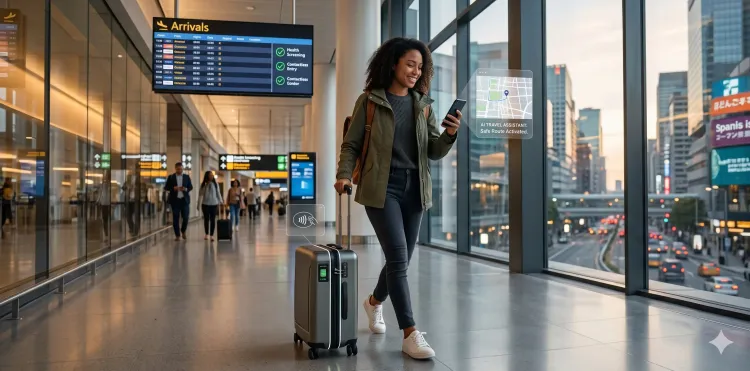
Take safety apps, for example. With real-time location tracking, emergency alerts, and even AI-powered risk assessments, these apps help travellers stay connected and secure. Wearable safety tech is also making solo travel safer. Smart rings, GPS-enabled jewellery, and smartwatches with panic buttons allow travellers to discreetly call for help if needed. Some devices automatically send distress signals to emergency contacts or local authorities if activated. It is a simple yet effective way to stay protected while on the go.
Even accommodation safety is improving. Many hotels and rental platforms now use biometric check-ins, such as fingerprint or facial recognition, to ensure that only registered guests can enter. This eliminates worries about lost keys or unauthorised access. Airbnb has also introduced safety features like verified listings and 24/7 support for solo travellers, making it easier to book secure stays.
With these innovations, solo travellers can now explore with greater confidence, knowing they have the right tools to stay safe. The world is opening up, and solo travel is becoming more accessible than ever before.
Tech & AI: Transforming Solo Travel
Travelling solo has never been easier, thanks to advancements in artificial intelligence and digital tools. From personalised itinerary planning to real-time translation and secure digital payments, AI planning tools are making solo journeys more seamless, safer, and stress-free. These technologies are especially useful for Indian travellers, helping them navigate diverse landscapes, languages, and cultural experiences with confidence.
1. Smarter Itinerary Planning with AI
Planning a solo trip can be overwhelming, but AI-powered tools are changing the game. Apps like Trip Planner AI and Mindtrip generate customised itineraries based on personal preferences, budgets, and travel styles. For Indian solo travellers, these platforms suggest culturally immersive experiences—whether it is heritage walks in Jaipur, yoga retreats in Rishikesh, or street food tours in Old Delhi.
One of the biggest advantages of AI travel planners is real-time adaptability. Apps like Wanderlog and Stippl use Google Maps integration to optimise routes, ensuring smooth navigation through India’s crowded cities and remote regions. These tools also adjust plans based on factors like weather, local festivals (e.g., Holi or Diwali), or transport delays, making them ideal for dynamic travel conditions.
2. Breaking Language Barriers
India’s linguistic diversity—22 official languages and hundreds of dialects—can be challenging for solo travellers. AI-driven translation tools help bridge this gap. Google Translate and Microsoft Translator offer real-time text, voice, and image translation, making it easier to read street signs in Tamil, order food in Bengali, or ask for directions in Hindi.
For those seeking a deeper cultural connection, apps like TripLingo provide contextual translations, including slang and etiquette tips, helping travellers avoid miscommunication. iTranslate, which works offline, is particularly useful in remote areas like Ladakh, where internet connectivity can be unreliable. These AI planning tools ensure smooth interactions, enhancing the solo travel experience.
3. Virtual Assistance & Customer Support
AI chatbots and virtual assistants are revolutionising customer support for solo travellers. Apps provide 24/7 assistance for booking flights, managing cancellations, and navigating visa processes. These AI-powered tools are particularly helpful for first-time solo travellers, offering real-time recommendations on safe neighbourhoods in cities like Delhi or trekking routes suited for the monsoon season in Kerala.
Navigation has also improved with AI-powered voice assistants like Google Maps, which offer turn-by-turn guidance tailored for pedestrians. Meanwhile, safety-focused apps like Safetipin use AI to assess city safety, flagging well-lit streets and safe areas based on crowd-sourced data. These innovations allow solo travellers to make informed decisions, enhancing both security and convenience.
4. Secure & Hassle-Free Payments
Digital transactions are now an essential part of travel, especially for solo travellers who prefer cashless convenience. In India, AI-driven payment platforms like UPI and Paytm have transformed how people pay for transport, accommodation, and food. AI-integrated virtual cards and biometric authentication add an extra layer of security, reducing fraud risks.
AI is also making budgeting and deal-finding easier. Apps like Hopper predict flight price drops, helping budget-conscious travellers book tickets at the best rates. For those heading to remote areas, cryptocurrency wallets offer alternative payment methods, while travel insurance apps provide instant claims for lost baggage or medical emergencies. These innovations simplify financial management, ensuring a smooth travel experience.
Solutions for the Indian Solo Traveller
AI is not just making global travel smarter—it is also being adapted to fit the unique needs of Indian travellers. Hyperlocal AI-powered apps suggest everything from must-visit street food spots to hidden homestays. Women-focused safety tools integrate GPS tracking and crowd-sourced safety ratings, offering an added layer of security for female solo travellers. Additionally, AI-curated travel groups and co-living spaces are fostering connections, making solo travel a more social experience.
As AI continues to evolve, solo travel is becoming more efficient, secure, and personalised. Whether planning a trip, navigating language barriers, seeking real-time assistance, or managing payments, AI is reshaping how travellers explore the world—one smart solution at a time.
The Future of Solo Travel
If you had told someone a decade ago that solo travel would become as common as group vacations, they might have raised an eyebrow. After all, the idea of navigating new places alone—without a set itinerary or a travel companion—once seemed daunting. But today, solo travel is not just possible; it is easier, safer, and more exciting than ever.
Think about it—no more fumbling with paper maps or struggling to explain yourself in a foreign language. AI-powered tools can now plan entire itineraries, suggest hidden gems, and even help you order food in a language you have never spoken before. And if you ever feel unsure about a location, real-time safety apps and wearable tech offer an extra layer of security, making solo travel feel less like a risk and more like an adventure.
The best part? Travelling solo no longer means being alone. Whether it is through online travel forums, women-led groups, or co-living spaces, finding like-minded explorers along the way has never been easier. You can start your journey alone and end up making friends in the most unexpected places.
Solo travel is not just about seeing new destinations—it is about experiencing them on your own terms. Whether you are chasing sunrises in the mountains, getting lost in a bustling city, or simply enjoying a quiet meal by yourself, there is a kind of freedom that comes with it that no other type of travel can offer. And with technology making it safer and more seamless than ever, maybe the question is not if you should take that solo trip—but when.
1. How do I manage safety when using public transport as a solo traveller?
Researching transport options beforehand is crucial. Opt for reputable services, avoid empty train carriages or buses at night, and use ride-hailing apps with tracking features. Keeping emergency contacts handy and sharing your location with a trusted friend adds an extra layer of security.
2. What are the best ways to handle medical emergencies while travelling solo?
Always carry basic medications, a first-aid kit, and details of nearby hospitals. Having travel insurance that covers medical emergencies is essential. Learning a few key medical phrases in the local language or using a translation app can help in urgent situations.
3. How can I ensure my belongings are secure when travelling solo?
Using anti-theft backpacks, lockable compartments in accommodations, and RFID-blocking wallets can help. Distributing cash and cards across multiple spots instead of keeping everything in one place reduces the risk of loss or theft.
Other topics
Explore and Discover

Planning a Ski Trip Abroad? Here's Why Standard Travel Insurance May Not Be Enough
Thursday, Jul 9, 2026
While standard travel insurance covers common travel risks, it may not include winter sports-related accidents, equipment damage, or emergency mountain rescue.
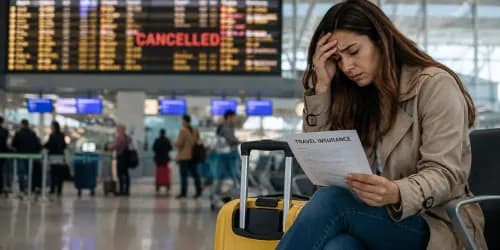
Why Smart Travellers Never Skip Travel Insurance: Lessons from Real-Life Mishaps
Thursday, Jul 9, 2026
Discover why travel insurance is an essential part of every trip. Learn from real-life travel mishaps—from medical emergencies and lost baggage to flight cancellations and passport issues.
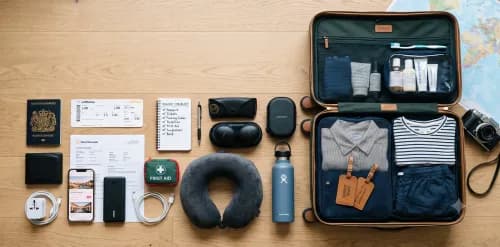
Holiday Travel Checklist: Must Have Essentials for a Stress Free Trip
Thursday, Jul 9, 2026
Planning a holiday? Stay organized and travel with confidence using this complete holiday travel checklist. From essential documents and packing must-haves to health, safety, and tech essentials, discover everything you need for a smooth, stress-free trip and enjoy your vacation without last-minute surprises.