The Rise of Second-City Travel: Why Lesser-Known Destinations Are Gaining Popularity


Destination (from India)
Dates of Travel (optional)
Introduction
Once upon a time, the quintessential holiday involved ticking off world-famous cities from a bucket list—Paris, London, New York, Rome. Today, that narrative is shifting. A growing number of travellers are trading in overcrowded attractions and high costs for quieter, more authentic experiences in lesser-known destinations. Welcome to the second-city travel trend.
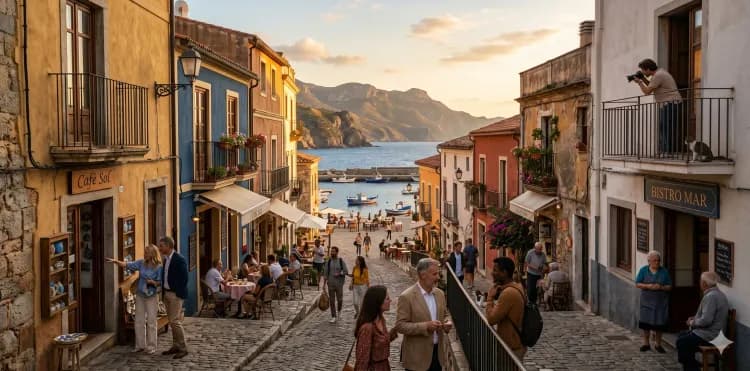
Driven by rising tourism costs, overtourism in flagship cities, and a desire for more meaningful connections, this trend is reshaping how we explore the world. In an era where social media influence plays a strong role in travel decisions, creators and savvy travellers are spotlighting hidden gems for travel lovers that were once overlooked. These destinations not only offer affordability but also immersive culture, vibrant local communities, and a sense of discovery often lost in mainstream travel.
The shift is also reflected in the popularity of “destination dupes”—cities that mimic the vibe of more expensive, overrun locations but at a fraction of the price and crowds. Travellers are increasingly opting for alternatives like Bologna over Rome or Porto over Lisbon.
This new approach is not only cost-effective but also more sustainable, easing the pressure on popular sites while boosting regional economies. In short, it’s a smarter, more conscious way to travel—and it’s only just beginning.
What Is Second-City Travel?
The second-city travel trend refers to the rising interest in visiting a country's lesser-known or “second-tier” cities instead of its primary tourist hubs. These are places that often fall below the radar—either overshadowed by larger neighbours or historically under-promoted on global itineraries. Yet they’re proving to be some of the best underrated travel destinations 2025 has to offer.
Think Valencia instead of Barcelona, or Ghent instead of Brussels. These cities are vibrant, culturally rich, and often more affordable, offering travellers the chance to immerse themselves in a destination without the distractions of tourist-heavy crowds.
The trend has been gaining traction, especially among millennials and Gen Z travellers who prioritise authenticity and meaningful experiences. Younger travellers are increasingly interested in unique stories and personal connections that big cities struggle to provide. With improved connectivity, even smaller cities now boast modern infrastructure, boutique hotels, thriving food scenes, and well-preserved historical centres—all without the inflated price tags.
Group tour organisers are also recognising the appeal and itineraries are being redesigned to include second cities, citing benefits such as logistical ease, reduced crowding, and better engagement with local communities.
Importantly, these destinations often welcome visitors with open arms, grateful for the opportunity to showcase their heritage and cuisine. For the traveller, that translates to a deeper, more rewarding experience.
As the travel landscape continues to evolve, second-city travel is no longer a compromise—it’s a compelling first choice for those seeking hidden gems for travel lovers around the world.
Why Second Cities Are Gaining Ground
The second-city travel trend has seen a steady rise in popularity, and it’s not by accident. These destinations allow travellers to engage with local communities in ways that are often not possible in more commercialised settings. They offer the charm of authenticity—family-run eateries, lesser-known festivals, and local artisans still rooted in tradition. For those seeking meaningful connections and cultural depth, second cities are proving to be powerful alternatives to the usual tourist circuit. Travellers are rethinking where—and how—they explore the world. Here are the top reasons why second cities are becoming the best underrated travel destinations 2025 has to offer:
Lower Travel Costs
Accommodation, food, and attractions in second-tier cities are often significantly more affordable than in their better-known counterparts. This makes them ideal for budget-conscious travellers looking for value without sacrificing experience. Lower airfare and transportation costs are also common, particularly as more regional airports and railways improve connectivity.
Less Crowded, More Comfortable
Unlike the hustle and noise of primary cities, second cities offer a more relaxed pace of life. There are fewer queues, quieter streets, and more opportunities to enjoy local culture without the pressure of tourist crowds. This also allows for better photos, less waiting time, and a calmer overall experience.
Authentic Cultural Experiences
In these hidden gems for travel lovers, tourism hasn’t yet diluted local traditions. Visitors are more likely to witness daily life, engage with residents, and discover regional cuisines that rarely make international headlines. The charm of these places often lies in their authenticity and human connection.
Sustainability and Responsible Travel
Choosing second cities eases the burden on overtouristed destinations. It spreads economic benefits across regions and helps preserve cultural and environmental heritage. This mindful approach aligns well with the increasing demand for ethical and sustainable tourism options.
Stronger Community Engagement
Travellers in second cities often find locals to be more welcoming and open. The relative novelty of tourism in these areas leads to more meaningful conversations, better service, and sometimes even new friendships. Group travel operators have noted higher satisfaction when travellers interact with local businesses, artisans, and guides in second-tier towns.
Emerging Infrastructure and Accessibility
As tourism authorities begin to promote regional hubs, infrastructure in second cities is catching up. New hotels, improved roads, digital booking platforms, and local tourism offices are making these destinations easier to visit than ever before.
Second-City Travel in Action
As more travellers embrace the second-city travel trend, a new roster of destinations is gaining global attention. These places offer rich experiences, fewer crowds, and often lower prices—making them the best underrated travel destinations 2025 has to offer. Here’s a curated list of second cities across the world that are proving to be true hidden gems for travel lovers.
● Bologna, Italy – Instead of Rome or Venice
Often overlooked for Italy’s bigger stars, Bologna offers unmatched food culture, fewer tourists, and rich history. With its medieval towers and portico-lined streets, it’s a soulful alternative to Rome’s chaos or Venice’s crowds.
● Lyon, France – Instead of Paris
Paris offers iconic landmarks such as the Eiffel Tower and Louvre, along with haute couture and river cruises. In contrast, Lyon positions itself as France's gastronomic heart—featuring bouchons, colourful markets, Renaissance Vieux Lyon, and riverside tranquillity. A perfect pick for those looking to sidestep Paris’s tourist traps.
● Chiang Mai, Thailand – Instead of Bangkok
Bangkok is renowned for its vibrant street life, rooftop bars, and historical grandeur at the Grand Palace. Tucked away in northern Thailand, Chiang Mai, however, offers a quieter, spiritual experience—boasting over 300 temples like Wat Phra That Doi Suthep, artisan markets, lush mountains, and a famed café scene with roasteries and vegan eateries. It’s ideal for those who find Bangkok too hectic and are seeking a cultural reset.
● Porto, Portugal – Instead of Lisbon
Lisbon’s charm lies in its trams, pastel façades, and river views. Porto, located on the Douro River, has UNESCO heritage sites, historic bridges, and world-famous port wine cellars. With its riverside charm and famous port wine cellars, Porto is rising in popularity. Its cobbled streets and scenic views rival Lisbon’s, but without the same crowd intensity.
● Osaka, Japan – Instead of Tokyo
Tokyo dazzles with neon skylines, technology, and Shibuya’s bustle. Known as Japan’s kitchen, Osaka offers vibrant street food, dynamic culture, and historical landmarks without Tokyo’s congestion. It’s a second city that feels like a first-class experience.
● Valencia, Spain – Instead of Barcelona
Barcelona stands out with its Gaudí architecture, beachfront, and tapas culture. Valencia competes with its own futuristic City of Arts and Sciences, the traditional Mercado Central, high-quality paella, and less tourist-heavy beaches. If you’re after beaches, Gothic architecture, and delicious paella, Valencia ticks every box. It’s less crowded than Barcelona and just as lively in festivals and arts.
● Philadelphia, USA – Instead of New York City
New York attracts travellers with its skyscrapers, Broadway theatres, and cultural institutions. Philly’s cultural offerings, vibrant neighbourhoods, and historic landmarks make it a brilliant alternative to NYC. It’s especially ideal for travellers interested in U.S. history and food tours.
● Kraków, Poland – Instead of Prague
Prague impresses with Prague Castle and Old Town Square, but Kraków offers a similar medieval ambiance—with Wawel Castle, a lively arts scene, and a poignant past tied to World War II. The city feels more grounded and less commercialised. Visitors also praise its walkability, welcoming locals, and affordability compared to more saturated European capitals.
● Seville, Spain – Instead of Madrid
Madrid delivers grand museums and nightlife. Seville offers flamenco at its heart, Moorish architectural wonders like the Alcázar, and streets perfumed with orange blossoms. A centre of flamenco, Moorish architecture, and orange-scented streets, Seville offers a more relaxed and sensory experience compared to Madrid’s urban rush.
● Ahmedabad, India – Instead of Delhi or Mumbai
Delhi and Mumbai offer endless energy, historical landmarks, and Bollywood glamour. Ahmedabad is a UNESCO World Heritage City that showcases India’s textiles, stepwells, and street food without the overwhelming pace of the metros. Its cultural depth and architectural wonders are increasingly drawing global tourists.
● Hoi An, Vietnam – Instead of Ho Chi Minh City
Ho Chi Minh City buzzes with motorbikes, skyscrapers, and imperial history. With lantern-lit streets, riverside cafés, and a preserved old town, Hoi An delivers history and serenity in one. It’s a second-city favourite for those craving charm over crowds.
● Brisbane, Australia – Instead of Sydney
Sydney dazzles with the Opera House and harbour views. Brisbane offers a growing arts scene, leafy suburbs, a rejuvenated waterfront, and easy access to national parks and beaches. It’s a relaxed version of Australian urban life, with fewer crowds and better value.
Conclusion
The days of defaulting to the same old cities are behind us. As travellers look for more value, authenticity, and sustainability, the second-city travel trend is emerging as a defining shift in how we experience the world.
By stepping beyond the obvious, we discover destinations that are rich in story and culture—without the crowds, inflated prices, or over-tourism fatigue. These hidden gems for travel lovers don’t just offer a more affordable journey; they promise deeper connections, surprising discoveries, and a more relaxed pace that enhances the entire experience.
Importantly, this shift also benefits local communities. Travelling to the best underrated travel destinations 2025 isn’t just smart for your wallet—it supports regional economies, spreads the tourism load more evenly, and protects heritage sites from the wear and tear of mass tourism.
From Porto’s riverside charm to Ahmedabad’s heritage streets, second cities are no longer second best—they are travel’s new first choice. Whether you’re planning a cultural getaway, a food-centric break, or simply want to explore without elbowing through crowds, second-city travel offers a future-facing, conscious way to see the world.
So next time you’re planning a trip, look beyond the capital. You might just find your favourite city where you least expect it.
FAQ
1. Why should I choose a second city over a major tourist destination?
Second cities offer a more authentic, relaxed, and affordable travel experience. Unlike crowded hotspots, they allow deeper cultural immersion, easier access to local traditions, and fewer queues at attractions. You’ll get more space, better value, and the chance to see a country beyond the usual tourist lens.
2. Are second cities safe for solo travellers?
Yes. Many second cities are as safe—if not safer—than major cities. Always research safety advice, avoid risky areas, and follow basic travel precautions. Many solo travellers actually report feeling more welcome and comfortable in second cities thanks to their relaxed pace and local warmth.
3. Is second-city travel suitable for family trips?
Absolutely. Many second cities offer family-friendly activities, parks, museums, and lower costs, making them ideal for multigenerational travel. They also tend to be less expensive, less crowded, and easier to navigate than major urban centres—ideal when travelling with children or older adults.
4. How do I find second-city alternatives when planning a trip?
Look up travel blogs, social media suggestions or regional tourism boards that promote offbeat and alternative cities. Social media platforms like Instagram, TikTok, and Pinterest are also great for discovering where savvy travellers are going. Use keywords like “underrated cities” or “second-city travel trend” while searching. You can also compare cities on booking sites to find ones with great experiences but fewer crowds and lower prices.
Other topics
Explore and Discover

Planning a Ski Trip Abroad? Here's Why Standard Travel Insurance May Not Be Enough
Thursday, Jul 9, 2026
While standard travel insurance covers common travel risks, it may not include winter sports-related accidents, equipment damage, or emergency mountain rescue.
Why Smart Travellers Never Skip Travel Insurance: Lessons from Real-Life Mishaps
Thursday, Jul 9, 2026
Discover why travel insurance is an essential part of every trip. Learn from real-life travel mishaps—from medical emergencies and lost baggage to flight cancellations and passport issues.

Holiday Travel Checklist: Must Have Essentials for a Stress Free Trip
Thursday, Jul 9, 2026
Planning a holiday? Stay organized and travel with confidence using this complete holiday travel checklist. From essential documents and packing must-haves to health, safety, and tech essentials, discover everything you need for a smooth, stress-free trip and enjoy your vacation without last-minute surprises.