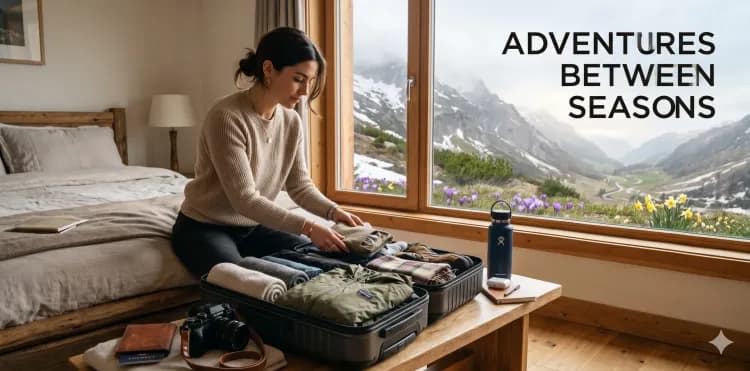
Travel Light, Travel Smart: Packing Tips for Late-Winter & Early-Spring Adventures


Destination (from India)
Dates of Travel (optional)
Introduction
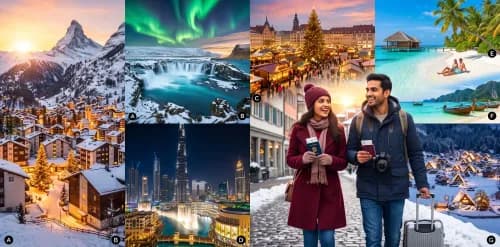
Let’s be honest—while we all love to travel, packing is the part no one looks forward to. Deciding what to take feels like a battle between being prepared for every possible scenario and not hauling around a suitcase that weighs more than you do. And when you’re travelling between late winter and early spring—where mornings can be frosty, afternoons mild, and evenings completely unpredictable—it’s even trickier.
Pack too light, and you’ll be shivering through an unexpected cold spell. Pack too much, and you’ll be carting around five sweaters you never even wear. The key is to be - Layering smart, choosing versatile pieces, and making the most of your suitcase space without feeling like you’re playing a game of Tetris. Whether you're off on a scenic train ride, a city escape, or an outdoor adventure, this guide will help you pack efficiently without the stress.
Before You Pack: Plan Smart, Pack Smarter
Packing isn’t just about cramming everything into a suitcase and hoping for the best. Before you even unzip your bag, take a moment to plan strategically
1. Know Your Mode of Travel
Your choice of transport plays a big role in how much you should pack.
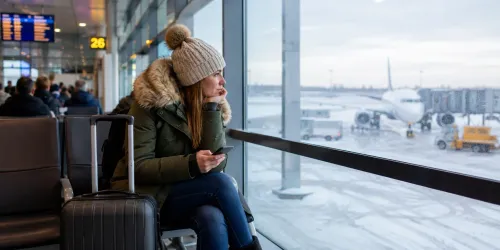
● Flying - Budget airlines often have strict baggage allowances, so a well-packed carry-on might be your best bet.
● Taking the train -Trains allow more flexibility, but keep in mind that you'll still need to lug your bag through platforms and compartments.
● Road-tripping - You have more space, but that doesn’t mean you should bring your entire wardrobe. The lighter your bags, the easier your journey.
No matter how you're travelling, packing smart means packing light—only take what you'll truly need.
2. Check the Weather Forecast
Late winter and early spring bring unpredictable weather. You might wake up to crisp, sunny skies one day and face a sudden downpour the next. Checking the weather forecast for each destination before you pack can save you from last-minute wardrobe regrets.
● Travelling somewhere cold - Layering is your best friend—pack thermal innerwear, lightweight sweaters, and a good waterproof jacket.
● Expecting mild temperatures- A mix of breathable fabrics, light layers, and a versatile jacket should do the trick.
● Rain on the horizon- A compact umbrella and waterproof shoes will be lifesavers.
Don’t rely on guesswork—a quick weather check can make or break your packing decisions.
3. Make a Packing List (And Stick to It!)
Impulse packing is how you end up with five pairs of shoes but no socks. Instead of tossing things in at random, make a list before you start.
● Prioritise versatility – Choose items that can be mixed and matched to create multiple outfits. The best travel wardrobe tips focus on neutral colours and lightweight fabrics that work for different occasions.
● Stick to the essentials – Pack only what you know you’ll use, not what you think you might need.
● Use space-saving hacks – Rolling clothes instead of folding, using packing cubes, and stuffing socks into shoes can free up space while keeping your bag organised.
A light packing guide isn’t just about carrying less—it’s about packing smarter. By planning ahead and keeping things minimal, you can travel stress-free while making room for souvenirs along the way.
Now that you have your travel checklist ready, it’s time to pack efficiently—without stuffing your bag with unnecessary extras
A. Layering Essentials: Stay Warm, Stay Practical
Packing for late winter and early spring requires some planning, as temperatures can change throughout the day. One moment, there is a chill in the air, and the next, the sun is out. A good approach is to layer clothing so that you can adjust to the weather without carrying too much.
Base Layers: The Foundation of Warmth
Base layers help keep you warm without adding too much bulk. Materials like merino wool or moisture-wicking fabrics provide insulation while remaining breathable.
● Example: Instead of packing several thick jumpers, a Merino wool thermal top can provide warmth, take up less space, and dry quickly if needed.
● Tip: Choose fabrics that do not hold onto odours, so you can wear them more than once.
Clothing that can be worn in different ways helps to keep your packing light. Neutral-coloured layers are easy to mix and match, making it simpler to put together outfits.
● Tunic sweaters: Wear them alone on a mild day or over a thermal top when it is colder.
● Long-sleeve shirts: Suitable for sightseeing during the day and can be layered under a jumper in the evening.
● A lightweight cardigan or fleece: Adds warmth without taking up too much space and is easy to remove if the temperature rises.
By choosing clothing that layers well, you can pack efficiently and be prepared for different weather conditions.
Smart Packing Techniques: Make the Most of Your Space
Packing efficiently is not just about bringing fewer clothes—it is about using the space in your bag wisely. A little organisation can go a long way in making your trip smoother.
Packing Cubes: Keep Things in Order
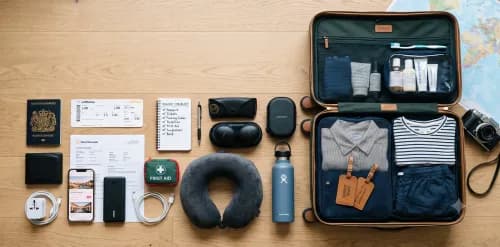
Packing cubes is a simple way to organise your clothing and gear. By sorting items into separate cubes—one for tops, one for bottoms, and another for undergarments—you can find what you need without rummaging through your entire bag.
● Example: If you have planned different outfits for sightseeing and evening dinners, keeping them in separate packing cubes saves time and effort when getting dressed.
● Tip: Compression cubes can reduce the amount of space clothes take up, making them useful if you are packing for a longer trip.
Roll Your Clothes: Save Space, Reduce Wrinkles
Rolling your clothes instead of folding them makes a surprising difference in how much you can fit in your bag. It also prevents deep creases, so you spend less time ironing when you arrive.
● Example: Roll t-shirts, lightweight jumpers, and trousers to fit them neatly into the corners of your suitcase.
● Tip: Place rolled clothes in packing cubes to keep everything organised and easy to access.
D. Accessorise Wisely: Small Items, Big Impact
Accessories can make a difference in comfort and convenience, and they take up very little space in your bag.
Scarves and Hats: Functional and Stylish
A lightweight scarf can provide warmth, act as a blanket on the plane, or even be used as a makeshift pillow. A woollen beanie keeps you warm on cold mornings without adding extra weight to your luggage.
● Example: A large scarf can also be worn as a shawl on chilly evenings or even as a cover-up if needed.
● Tip: Choose neutral colours so your accessories can match different outfits.
Sunglasses and Sunscreen: Protection in Every Season
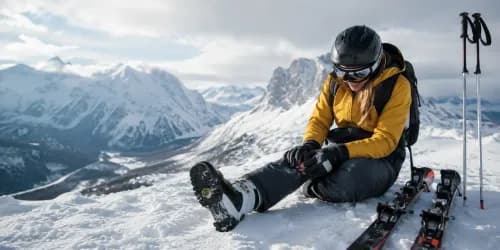
Even if the air feels cool, UV rays can still be strong, especially in snowy or high-altitude areas. Sunglasses protect your eyes from glare, while sunscreen prevents sunburn, even in winter.
● Example: Snow reflects sunlight, which can make it even more intense—so skiers and hikers especially should not skip sunscreen.
● Tip: Travel-sized sunscreen and foldable sunglasses take up almost no space in your bag.
4. Plan for Activities: Pack with Purpose
Packing light does not mean leaving important things behind. By considering your activities and checking the weather in advance, you can avoid overpacking while still being well-prepared.
Check the Weather: Know What to Expect
Weather conditions can change quickly in late winter and early spring, so checking the forecast for your destination before packing helps you bring the right clothing.
● Example: If rain is expected, a light rain jacket and waterproof shoes may be necessary. For colder regions, thermal layers might be a better choice.
● Tip: Look at temperature fluctuations between morning and night—some places are warm during the day but drop significantly in the evening.
Pack for Your Itinerary: Dress for the Occasion
Think about what you will be doing and pack only what you need. Versatile clothing that works for multiple settings saves space and keeps your luggage light.
● Example: If your plans include both city sightseeing and countryside hikes, comfortable walking shoes are a better option than carrying multiple pairs.
● Tip: If you are dining at formal restaurants, a simple black dress or a classic button-up shirt can be dressed up or down with the right accessories.
By keeping these tips in mind, you can travel light without sacrificing comfort or style.
5. Pick the Right Luggage
Choosing the right luggage is just as important as deciding what to pack. A smaller bag encourages smarter packing, while an oversized suitcase often leads to unnecessary items. If possible, aim for a carry-on bag to keep things simple, but if your trip requires more, be mindful of the size—the bigger the bag, the more you will be tempted to fill it.
For late-winter & early-spring adventures, packing efficiently means considering unpredictable weather and the need for layered outfits. Whether you are heading for a snowy retreat or a city break where temperatures are rising, space-saving hacks will help you carry just what you need without overpacking.
Backpacks: Ideal for Mobility and Versatility
If you are moving between destinations frequently—whether by train, bus, or plane—a travel backpack with shoulder straps is the most practical choice. Many travel-specific backpacks offer multiple compartments and easy access pockets, making it simple to stay organised. However, a sturdy, traditional backpack works just as well if you do not want to invest in a specialised bag.
● Example: Backpacking through Switzerland as winter transitions into spring? A lightweight, ergonomic backpack will keep your hands free while navigating train stations and changing weather conditions.
● Tip: Look for one with padded straps and a hip belt to distribute weight evenly, especially if you will be carrying it for long periods.
Duffel Bags: Durable and Flexible
For trips where you do not have to carry your luggage yourself—such as a safari, guided trekking tour, or cycling trip—a duffel bag is a great option. These bags are tough, easy to pack, and can withstand rough handling.
● Example: If you are heading to Norway for a scenic spring hiking trip, a soft-sided duffel bag can easily accommodate outdoor gear while fitting into small storage spaces on transport.
● Tip: Choose a duffel with water-resistant fabric and reinforced handles for added durability, especially if there is still some lingering winter snow.
Wheeled Luggage: Convenience for Families and Longer Stays
If you are travelling with young children or planning a longer stay in one location, a wheeled suitcase or a rolling backpack offers ease and convenience. It allows for effortless movement through airports and hotels while still offering flexibility.
● Example: A family heading for a countryside escape in France at the tail end of winter might find a wheeled suitcase more convenient for packing heavier clothing while still keeping room for spring essentials.
● Tip: Opt for four-wheel spinner suitcases for smoother navigation through busy stations or airports.
The key to choosing the right luggage is understanding your travel style—whether you need mobility, durability, or convenience, selecting the right bag ensures a hassle-free and efficient journey. A light packing guide tailored to the season will make sure you are well-prepared for the changing temperatures while still travelling smart.
Conclusion
Packing for a trip between late winter and early spring can feel like a balancing act. You want to be prepared for changing temperatures without overloading your suitcase. By planning ahead, choosing versatile clothing, and making use of space-saving hacks, you can travel light without compromising on comfort. The key is to pack smart, stay flexible, and remember that a lighter bag makes for a smoother journey. So, embrace the season’s mix of crisp mornings and sunny afternoons, knowing you have everything you need without the extra weight.
FAQs
1. How can I pack light while still having outfit options for different occasions?
Choose versatile clothing that can be dressed up or down. A neutral-coloured sweater, dark jeans, and a classic button-up shirt can work for casual sightseeing during the day and a nice dinner in the evening with minimal changes.
2. What are some essential travel toiletries to bring for a late-winter to early-spring trip?
A good moisturiser, lip balm, and travel-sized sunscreen are must-haves for changing weather conditions. If travelling to colder areas, hand cream and a hydrating face mask can help combat dry skin caused by winter air.
3. How do I keep my luggage organised throughout the trip?
Use packing cubes to separate different types of clothing and keep frequently used items easily accessible. A small laundry bag can help keep worn clothes separate from clean ones, making repacking easier.
Other topics
Explore and Discover
Planning a Ski Trip Abroad? Here's Why Standard Travel Insurance May Not Be Enough
Thursday, Jul 9, 2026
While standard travel insurance covers common travel risks, it may not include winter sports-related accidents, equipment damage, or emergency mountain rescue.
Why Smart Travellers Never Skip Travel Insurance: Lessons from Real-Life Mishaps
Thursday, Jul 9, 2026
Discover why travel insurance is an essential part of every trip. Learn from real-life travel mishaps—from medical emergencies and lost baggage to flight cancellations and passport issues.
Holiday Travel Checklist: Must Have Essentials for a Stress Free Trip
Thursday, Jul 9, 2026
Planning a holiday? Stay organized and travel with confidence using this complete holiday travel checklist. From essential documents and packing must-haves to health, safety, and tech essentials, discover everything you need for a smooth, stress-free trip and enjoy your vacation without last-minute surprises.