Travel Scams


Destination (from India)
Dates of Travel (optional)
Introduction
Travel scams are still a common problem in many popular destinations around the world. Scammers often take advantage of people who are excited, distracted, or unfamiliar with their surroundings. This makes it easier for travellers—especially those visiting a place for the first time—to be fooled.
When planning or starting a trip, many people are in a rush to make bookings, follow tight schedules, or try out new experiences. In this fast-paced mindset, it becomes easier to miss warning signs. Scammers use this urgency to pressure travellers into making quick decisions—like paying fake fees, trusting a “friendly” stranger, or accepting an unofficial offer that sounds too good to be true.
These scams often work because they play on basic human behaviour. Travelers may not want to appear rude, especially when approached by someone pretending to help. Others may feel unsure about local rules and trust someone who acts confident or looks official.
The damage caused by travel scams goes beyond just losing money. Victims can feel embarrassed, anxious, and even unsafe. It can ruin a trip, delay plans, and lead to long-lasting distrust when traveling again.
In short, travel scams succeed because people are caught off guard in unfamiliar situations. But by understanding the common tricks and staying alert, travellers can protect themselves and enjoy their trips with more confidence and peace of mind.
Why Scams Work
Scams succeed not because travellers lack intelligence, but because scammers know how to manipulate the way people think and feel—especially in unfamiliar settings. The psychology behind scams is rooted in distraction, emotion, and trust. Understanding these behavioural patterns is the first line of defence against deception.
Emotional Triggers and Urgency
Scammers often create a sense of urgency to rush decisions. Whether it is a fake official warning you about a legal issue or someone claiming a limited-time deal, the goal is to short-circuit your ability to evaluate the situation calmly. Under pressure, even experienced travellers may act before verifying details. These tactics are particularly effective when they evoke fear, shame, or the need to be polite, especially in a foreign culture where avoiding conflict feels easier than questioning someone’s intent.
Mental Fatigue and Cognitive Overload
Travel brings joy, but it also demands constant decision-making—navigating unfamiliar places, understanding local customs, and managing logistics. This state of cognitive overload leaves travellers more prone to default choices and impulsive trust. Decision fatigue is a real phenomenon, and scammers are well aware of it. That is why they approach you when you are tired, jetlagged, or distracted.
Trust in Authority Figures
People are conditioned to obey authority from a young age. Scammers exploit this by posing as police officers, immigration staff, or hotel personnel. Uniforms, badges, and official language are used to lower your guard. In some common travel scams, these fake officials might demand a spot fine or check your passport, only to disappear with it. Recognising that appearance is not proof of legitimacy is a key travel safety tip for 2025.
The Power of Groupthink
When you see others joining a tour, buying from a vendor, or accepting help from a guide, it feels safe to follow. Scammers exploit this herd mentality to appear legitimate. Paid accomplices might pose as tourists to create the illusion of credibility. You believe the situation is normal simply because others appear to trust it. That false consensus is a frequent tool in scams targeting tourists.
Tailored Approaches to Exploit Specific Travellers
Scammers often adapt their pitch based on who you are. Solo travellers might receive offers of help or companionship. Elderly tourists could be targeted with official-looking documents or exaggerated emergency claims. Digital nomads and influencers may be offered fake collaborations or “VIP” deals. The scam changes shape depending on your perceived weakness, making awareness crucial across all demographics.
Classic Travel Scams That Still Catch Tourists
Travel scams change context, but the underlying tricks remain familiar—and effective. Scammers adapt their tactics to location and trends, but the emotional and logistical pressures they exploit remain constant. This section details common travel scams, including those that originate online, and shares travel safety tips 2025 to help you stay alert.
1. Fake Taxi/Tuk-Tuk Meters & Overcharging
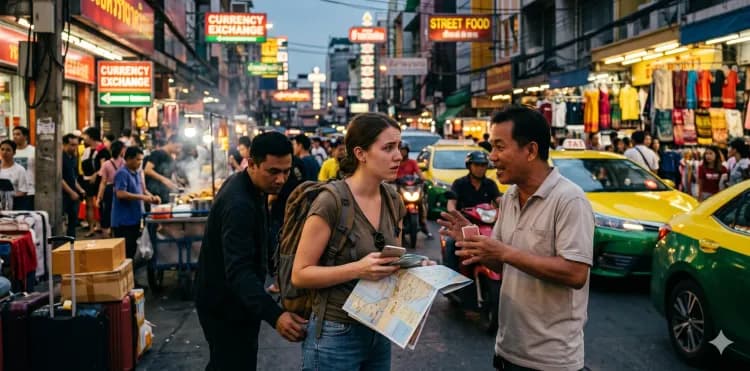
Whether you’re in Bangkok, Rome or Rio, bogus taxi meters and inflated fares are among the most frequent scams targeting tourists. A driver might claim that the meter is broken or offer a special price—with the bill jumping two or three times the normal fare. This is one of the hallmarks of common travel scams described in how to avoid tourist scams guides: always confirm the meter before boarding, or ask for a set price upfront. Better yet, use reliable ride-hailing apps or official taxis when possible.
2. “Closed Attraction” & Gem Scams
In Thailand (and elsewhere), scammers offer to guide you because your destination is “closed”. They reroute you to a shop or tour where they earn a commission. Commonly dubbed the gem scam, they promise bargains or exclusivity—only to supply overpriced, low-quality goods, often at multiple locations or temple shops in a row. A strong safeguard is to check attraction opening hours yourself, and call your hotel if in doubt. If someone assures you that your booking is cancelled or the site is shut, double-check before agreeing to follow them.
3. Tailor-Made Clothing Cons
Friendly strangers may entice you with offers of high-quality, custom clothing at a discount. In the notorious Thai tailor scam, travellers pay up front for designer suits or cashmere, only to receive polyester knockoffs—or nothing at all. Always research reputable tailors online and visit them independently, or pay on collection, not upfront.
4. ATM Interference & Fake Assistance
In crowded city centres, scammers may offer “help” at ATMs—or manipulate the machine by swapping cards, using sleight of hand, or distracting you while an accomplice empties your account. The simplest protection is to use ATMs inside banks, shield your PIN, reject unsolicited assistance and choose well-lit machines.
5. “Free” Gifts, Drinks & Distraction Tactics
Some cons involve offering a seemingly friendly gesture—like a free bracelet, drink, or street petition—and then insisting you pay. They may even stage distractions (a spilled drink, a staged argument) while an accomplice pickpockets you. These scams targeting tourists are extremely common and can be emotionally disarming. To avoid them, travellers are advised to keep both hands visible, refuse unsolicited gifts, and walk away briskly if approached by a stranger with offerings.
6. Fake Officials & On-the-Spot Fines
Scammers sometimes pose as police or security personnel and demand immediate cash to avoid arrest for a minor offence. By claiming your documents are missing or forged, they pressure you to pay on the spot, often by the ATM outside your hotel. A reliable travel safety tip for 2025 is to ask for legitimate identification, contact your embassy or hotel, and insist on paying at an official office—not on the street—and walk away if they refuse.
7. Bogus Online Listings & Booking Fraud
Scam artists routinely create fake holiday rentals, tours, or websites that mimic legitimate booking platforms. Victims often book through well-known names, arriving to discover the property does not exist. Always verify the listing through official domains, look for genuine reviews, and if a price appears extraordinary, it probably is. Use a secure payment method, such as a credit card, and never wire money — these are key steps in avoiding tourist scams online.
How to Prevent Getting Scammed While Travelling
Staying safe while travelling does not require paranoia—it requires preparation. As scams become more polished and psychologically sophisticated, awareness must become part of the modern traveller’s toolkit. Whether you are backpacking through Southeast Asia or visiting a major European capital, knowing how to avoid tourist scams starts with understanding how they unfold and building small habits to guard against them. Below are key principles every traveller should consider before and during their trip.
1. Research and Verify Before You Go
Preparation begins well before you board a flight. Each destination comes with its common travel scams, ranging from fake tickets and taxi overcharging to more elaborate cons involving false officials or staged emergencies. The first step is to read recent travel advisories, local tourism forums, and trusted review sites such as TripAdvisor or Reddit travel threads. Many scams have a distinct pattern and are well-documented by previous victims.
For instance, in parts of South Asia, travellers frequently report scams involving fake SIM card sellers or tour operators that vanish after receiving payment. In some European cities, counterfeit petitions and staged “found ring” scenarios are widely reported. Understanding the geography of the scam—where and how it occurs—can be enough to help you spot it in time.
2. Trust, But Confirm
Scammers often mimic authority, kindness, or urgency to quickly gain trust. They might wear uniforms, offer "exclusive" local advice, or approach under the guise of helping. While some of these individuals may be genuine, the golden rule is to verify claims independently. If someone tells you an attraction is closed and offers an alternative, check the site or your hotel first. If a police officer requests payment, ask for formal identification and suggest settling the matter at a police station.
When it comes to tour bookings, always go through authorised channels. It is best to avoid spontaneous street offers, especially if they pressure you to make a decision quickly. In short, assume good intent, but back it up with independent checks.
3. Prioritise Secure Payment Methods
Carrying wads of cash makes you an easier target. Where possible, use credit cards, travel wallets, or digital payment systems that offer fraud protection. If a vendor insists on cash only—especially for larger payments—be wary. Booking hotels, transport, or excursions through verified platforms or established agencies not only secures your transaction but also provides recourse if things go wrong.
Never wire money to individuals or use anonymous payment apps for travel-related bookings. These methods offer no protection if the service turns out to be fake or disappears entirely.
4. Stay Assertive and Be Comfortable Saying No
Scams thrive on hesitation, guilt, or embarrassment. You may be approached by someone who is overly friendly or persuasive, offering a “just a look” or asking for a moment of your time. In such cases, politeness can become a liability. Practise firm but polite refusals. If a situation feels wrong or escalates quickly, walk away without explanation. There is no need to justify your exit. Scammers often move on to easier targets. Assertiveness also applies when negotiating with vendors, dealing with persistent guides, or being pressured into purchases. You are under no obligation to continue a conversation or transaction once you feel uncomfortable.
5. Travel in Pairs or Groups When Possible
While solo travel has its advantages, it also brings vulnerabilities. Scammers are less likely to approach those travelling in pairs or groups, especially when conversations and decisions are shared. If you are a solo traveller, try to blend in with other groups during high-risk situations such as crowded transport hubs, markets, or unfamiliar districts.
Having a “travel buddy” also provides a second opinion—useful when you're unsure whether a deal, direction, or request feels legitimate. At the very least, inform someone of your whereabouts and plans each day, especially if exploring off-the-beaten-path locations.
FAQ
What are the most common travel scams in 2025?
In 2025, scams targeting tourists often involve fake tour operators, tampered taxi meters, counterfeit ticket sellers, and impersonators posing as police or hotel staff. These scams typically rely on creating a sense of urgency, confusion, or exploiting misplaced trust. Researching destination-specific tactics remains one of the best travel safety tips for 2025.
How can I spot a tourist scam before it happens?
Be alert to offers that sound too good to be true, individuals who pressure you to act quickly, or anyone asking for money upfront without proper identification or paperwork. Scams often involve scripted interactions, staged situations, or fake reviews. Reading up on common travel scams at your destination is a practical first step.
Are solo travellers more at risk of scams?
Solo travellers can be more vulnerable, especially in crowded areas or unfamiliar environments. Scammers may see individuals as easier to isolate or manipulate. Staying alert, avoiding isolated situations, and maintaining a confident, assertive presence can significantly reduce your risk.
What should I do if I think I’ve been scammed abroad?
Document everything—receipts, names, photos, and locations—and report the incident to local authorities and your embassy. If a payment was made by card, contact your bank to freeze or dispute the charge. Knowing how to avoid tourist scams is useful, but being prepared to respond is equally important.
Other topics
Explore and Discover

Planning a Ski Trip Abroad? Here's Why Standard Travel Insurance May Not Be Enough
Thursday, Jul 9, 2026
While standard travel insurance covers common travel risks, it may not include winter sports-related accidents, equipment damage, or emergency mountain rescue.
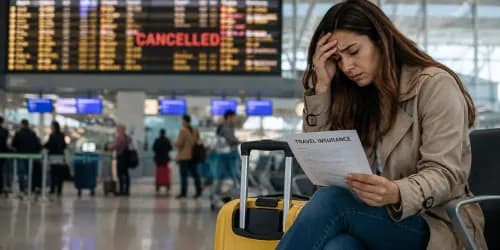
Why Smart Travellers Never Skip Travel Insurance: Lessons from Real-Life Mishaps
Thursday, Jul 9, 2026
Discover why travel insurance is an essential part of every trip. Learn from real-life travel mishaps—from medical emergencies and lost baggage to flight cancellations and passport issues.
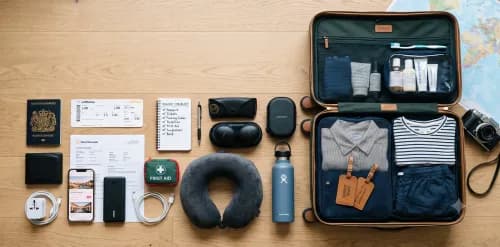
Holiday Travel Checklist: Must Have Essentials for a Stress Free Trip
Thursday, Jul 9, 2026
Planning a holiday? Stay organized and travel with confidence using this complete holiday travel checklist. From essential documents and packing must-haves to health, safety, and tech essentials, discover everything you need for a smooth, stress-free trip and enjoy your vacation without last-minute surprises.