Travelling to the UK? Cultural Do’s and Don’ts First-Time Visitors Must Know


Destination (from India)
Dates of Travel (optional)
Introduction
Stepping off the plane in London, Manchester, or Edinburgh is an exciting moment for any traveller. The UK offers a rich mix of history, art, landscapes, and modern culture. Yet for many first-time visitors, the journey is not only about exploring landmarks but also about understanding how daily life works here. Knowing a little about local customs before you arrive can make your trip far smoother. This is where learning some UK travel etiquette tips becomes essential.
Every country has its own set of unwritten rules, and Britain is no different. From the way people queue for buses to how they start a casual conversation, these small habits reflect the nation’s values. By becoming aware of British cultural dos and don’ts, you avoid awkward moments and show respect for the people you meet. This isn’t about memorising a long list of rules—it’s about paying attention to how locals behave and following their lead.
For a first-time visitor guide to the UK, etiquette is more than politeness. It helps you connect better with those around you. A friendly “thank you” to a shop assistant, standing on the right side of an escalator, or waiting your turn at the pub may seem like small gestures, but they leave a lasting impression. These details can shape how locals respond to you, often making your travel experience warmer and more enjoyable.
In the following sections, we’ll look at practical ways to navigate conversations, public spaces, and dining experiences in the UK. By keeping an open mind and observing local customs, you’ll not only see the sights but also experience the everyday rhythm of British life—something guidebooks can’t fully capture.
Understanding British Politeness & Communication
If you are a first-time visitor to the UK, knowing how the British express politeness is one of the most practical UK travel etiquette tips you can take on board. These behaviours may seem small, but they go a long way in daily interactions.
· Polite words are a social constant - “Please”, “thank you”, and “sorry” appear frequently in British conversation, whether in shops, cafés, or on public transport. Even when an apology isn’t strictly needed, a polite “sorry” keeps interactions.
· Small talk is safe and neutral - Common topics include the weather, football, popular television shows, and local events. Avoid personal questions about age, income, or relationships. Politics and religion should only be discussed if invited.
· Indirect communication is common - Disagreements are softened, e.g., “That’s an interesting point” instead of “I don’t agree.” This helps avoid direct confrontation.
· Humour is subtle - Often dry, understated, or self-deprecating. Listen and gauge the tone before joining in.
· Respect personal boundaries - The British value privacy and modesty. Overly emotional displays or excessive familiarity in public can make people uncomfortable.
Observe how locals interact, match their level of formality, and use polite language liberally. A friendly smile paired with a “thank you” is almost always well received.
Dining Etiquette in the UK
Knowing the British cultural dos and don’ts of dining can help you feel more at ease whether you’re in a fine dining restaurant or a cosy café.
● Table settings and first steps
○ Forks on the left, knives on the right, spoons above the plate.
○ Napkin goes in your lap, not tucked into clothing.
○ Wait until everyone is served or the host starts eating before you begin.
● Cutlery etiquette
○ Knife stays in the right hand, fork in the left throughout the meal.
○ When finished, place cutlery parallel across the plate, fork tines up, knife blade facing in.
○ Pass food to the left.
● Tipping expectations
○ In restaurants, 10–15% is standard unless a service charge is already included.
○ Pubs don’t expect tips, but you can offer to “buy one for the bartender” as a friendly gesture.
○ In taxis, rounding up or adding 10% is common.
● Ordering in pubs and cafés
○ In pubs, you order and pay at the bar rather than waiting for table service.
○ In cafés, queue patiently and be ready with a “please” and “thank you” when served.
Meals are social occasions. Following these UK travel etiquette tips ensures you’ll be seen as a considerate and welcome guest.
Dress Codes & Visiting Religious or Historic Sites
For a first-time visitor guide to the UK, understanding dress expectations for certain venues is just as important as knowing how to greet people. Clothes can signal respect, and some places have long-standing traditions visitors are expected to follow.
· Visiting churches and religious sites
o While most UK churches welcome tourists, modest dress is recommended. Avoid very short shorts, low-cut tops, or clothing with offensive slogans.
o In some cathedrals, like St Paul’s in London, hats should be removed indoors unless worn for religious reasons.
o Even if there’s no strict rule, showing respect through your attire is part of British cultural dos and don’ts.
· Historic sites and museums
o There’s usually no formal dress code, but avoid overly casual or beachwear-style clothing.
o Museums like the British Museum or the V&A see visitors from all over the world; looking presentable is a sign of respect for the space and other visitors.
· Theatre and evening events
o In London’s West End or other major theatres, smart-casual is common. While you may see jeans, pairing them with a neat shirt or blouse is a safe choice.
o Gala nights or opening performances may be more formal—check the venue website in advance.
· Seasonal dressing for UK weather
o The UK weather is famously changeable. Layers are your best friend—start with a base layer, add a jumper, and keep a waterproof jacket handy.
o Even in summer, evenings can be cool, especially near the coast.
o Carrying a small umbrella or compact raincoat is a practical UK travel etiquette tip.
First-time visitor guide to the UK tip: Dressing appropriately shows awareness of local customs and makes you more comfortable during your visit. Whether you’re stepping into a centuries-old cathedral or sitting down for a West End show, a little preparation goes a long way.
Travel & Transport Etiquette
Getting around the UK is straightforward once you know the unspoken rules that form part of British cultural dos and don’ts. Public transport, in particular, has its own set of habits and expectations that help keep things moving smoothly.
· Public transport basics
o In London and other major cities, you’ll likely use an Oyster card or contactless payment for buses and the Underground. Tap in at the start of your journey and tap out at the end.
o On escalators in Underground stations, always stand on the right and walk on the left. Blocking the left side can irritate those in a hurry—this is one of the most repeated UK travel etiquette tips for visitors.
· Cycling and walking paths
o Many UK cities have clearly marked cycling lanes—avoid walking in them.
o If you’re cycling, follow road rules, use lights after dark, and signal clearly.
o On shared paths, keep to one side to allow others to pass.
· Buses and trains
o Allow passengers to get off before you board.
o Offer seats to those who need them more—this is an unspoken expectation in the UK.
o Keep noise to a minimum; loud phone calls are frowned upon.
· Taxi etiquette
o In London, black cabs are licensed and can be hailed on the street. Minicabs must be booked in advance.
o Payment can be by card or cash, and rounding up to the nearest pound or adding about 10-15% is a polite gesture.
First-time visitor guide to the UK tip: Respecting transport rules not only helps things run smoothly but also shows consideration for fellow passengers. Whether you’re gliding down an escalator or hopping in a black cab, these small habits will help you blend in quickly.
Conclusion
Visiting the UK is about much more than simply seeing the sights. The country’s culture is woven into countless small moments—how you greet someone, where you stand in a queue, how you order a drink in a pub, or what you choose to wear for an evening at the theatre. These moments, though subtle, shape how locals perceive visitors and how smoothly your trip runs.
For anyone putting together a first-time visitor guide to the UK, it is clear that courtesy, observation, and adaptability are at the heart of a positive experience. The most valuable UK travel etiquette tips are often the simplest: listen first, watch how others behave, and match your approach to the setting. From churches to cafés, trains to historic landmarks, each environment comes with its own expectations—following them shows awareness and respect.
The British cultural dos and don’ts outlined throughout this guide highlight that etiquette in the UK is not about rigid rules, but about helping everyone share public and private spaces comfortably. Whether you are holding the door for the person behind you, keeping your voice down in a quiet carriage, or remembering to remove your hat inside a cathedral, these small gestures make a big difference.
Seasoned travellers know that understanding local customs adds depth to any journey. In the UK, this means embracing understatement, valuing fairness, and appreciating traditions that have evolved over centuries. Even as the country grows ever more multicultural, these shared habits continue to knit communities together.
If you take away just one principle, let it be this: when in doubt, be polite, patient, and aware of those around you. These habits will not only help you blend in but will also open the door to warmer, more genuine interactions. In the end, etiquette is less about memorising rules and more about showing respect—for the place, the people, and the shared experience of daily life.
FAQ
1. Do British people expect visitors to speak with a local accent?
No. While some visitors try to mimic a British accent, it’s not expected and can come across as insincere. Clear, polite speech is far more appreciated.
2. Is it acceptable to eat or drink while walking in the UK?
Yes, it’s common to see people with takeaway coffee or a snack on the go. However, eating strong-smelling or messy food on public transport is discouraged.
3. Are there etiquette rules for visiting someone’s home in the UK?
If invited to a home, it’s polite to bring a small gift such as flowers, wine, or chocolates. Ask in advance if shoes should be removed.
4. How should I handle misunderstandings or mistakes in etiquette?
A simple, genuine apology works best. Most people understand that visitors may not know every custom, and a friendly attitude goes a long way.
Other topics
Explore and Discover

Planning a Ski Trip Abroad? Here's Why Standard Travel Insurance May Not Be Enough
Thursday, Jul 9, 2026
While standard travel insurance covers common travel risks, it may not include winter sports-related accidents, equipment damage, or emergency mountain rescue.

Why Smart Travellers Never Skip Travel Insurance: Lessons from Real-Life Mishaps
Thursday, Jul 9, 2026
Discover why travel insurance is an essential part of every trip. Learn from real-life travel mishaps—from medical emergencies and lost baggage to flight cancellations and passport issues.
Holiday Travel Checklist: Must Have Essentials for a Stress Free Trip
Thursday, Jul 9, 2026
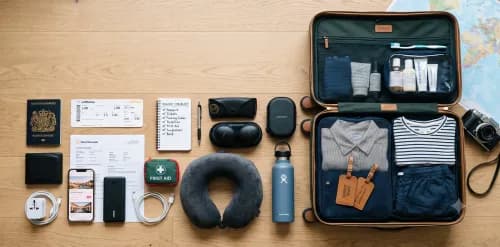
Planning a holiday? Stay organized and travel with confidence using this complete holiday travel checklist. From essential documents and packing must-haves to health, safety, and tech essentials, discover everything you need for a smooth, stress-free trip and enjoy your vacation without last-minute surprises.