Tourism Boycotts & Ethical Travel: Should You Still Visit These Destinations?


Destination (from India)
Dates of Travel (optional)
Introduction
When planning a trip, most people consider the sights, culture, and experiences a destination has to offer. But what if a country has laws or policies that go against your personal beliefs? Should responsible tourism mean avoiding such places altogether? Or is it possible to engage in ethical tourism decisions while still visiting?
Travel boycotts have become a common response to political or human rights issues. The idea is that by refusing to visit, tourists can send a message and avoid financially supporting governments or industries that uphold questionable practices. However, the reality is often more complex. Many who depend on sustainable travel for their livelihood may be more affected by these boycotts than the political systems they aim to challenge.
So, does choosing where to travel become a question of personal ethics? Can tourism be a tool for positive change rather than avoidance? This article explores the reasons for travel boycotts, their impact, and alternative ways to engage in ethical travel.
What Is Ethical Travel?
Ethical travel (also known as responsible travel) refers to making conscious choices that minimise negative impacts and maximise positive contributions to the places we visit. This approach considers environmental sustainability, respect for local cultures, and support for local economies. Ethical travellers prioritise businesses and experiences that uphold fair treatment of workers, preserve natural habitats, and respect human rights. Ethical travel involves reducing harm, promoting social responsibility, and ensuring that travel benefits both visitors and host communities.
A key aspect of ethical tourism decisions is engaging in travel that aligns with sustainable travel practices. This means opting for eco-friendly accommodations, participating in ethical wildlife tourism, and avoiding exploitative experiences. Ethical travel encourages deeper cultural exchange and long-term benefits for local populations rather than just short-term economic gains.
Responsible tourism should be mindful of how tourism dollars are spent, ensuring that they support ethical businesses and sustainable initiatives. By making informed travel choices, tourists can help preserve destinations for future generations while fostering genuine cultural appreciation.
What Is a Travel Boycott?
A travel boycott is a form of mass protest. It goes beyond a personal choice to avoid a destination and becomes a public call for others to do the same. The aim is to withdraw economic and social engagement with a country in response to a perceived social, moral, ethical, or political issue. Those supporting a travel boycott believe that by refusing to visit, they can raise awareness and pressure governments or institutions to change their policies.
However, the impact of such actions on responsible tourism and sustainable travel is widely debated. While the intention may be to promote ethical values, the consequences often extend beyond governments to the local communities who rely on tourism for their livelihood. Understanding the real effects of a travel boycott is crucial when making ethical tourism decisions.
Reasons for Travel Boycotts
Calls for travel boycotts often stem from moral, ethical, or political concerns. Whether it is human rights violations, environmental destruction, or oppressive government policies, many travellers question whether visiting a destination means indirectly supporting these issues. Below are some of the main reasons why travellers may choose to avoid certain places.
1. Human Rights Violations
Many destinations face criticism for their treatment of marginalised communities, censorship, or political oppression. While ethical tourism decisions aim to ensure that travel does not support oppression, some argue that avoiding these destinations entirely is a more powerful statement.
2. Animal Welfare Concerns
Tourism is often linked to exploitative animal experiences, from elephant rides to marine parks keeping orcas in captivity. In cases where an attraction exists purely for tourism, a travel boycott can be effective in ending unethical practices.
3. Environmental Destruction
Unsustainable tourism practices have devastating effects on the environment. Destinations like the Amazon rainforest and parts of Southeast Asia have seen increased deforestation, pollution, and loss of biodiversity due to unregulated tourism. Choosing sustainable travel options, such as eco-friendly accommodations and ethical tour operators, can help minimise harm, but some travellers believe avoiding high-impact destinations altogether is a stronger response.
4. Economic and Political Support for Oppressive Regimes
Some governments directly benefit from tourism revenue, using it to sustain policies that many find unethical. In cases where government-owned businesses dominate the tourism industry, visitors may struggle to ensure their spending supports local communities instead of oppressive regimes.
5. Overtourism and Local Displacement
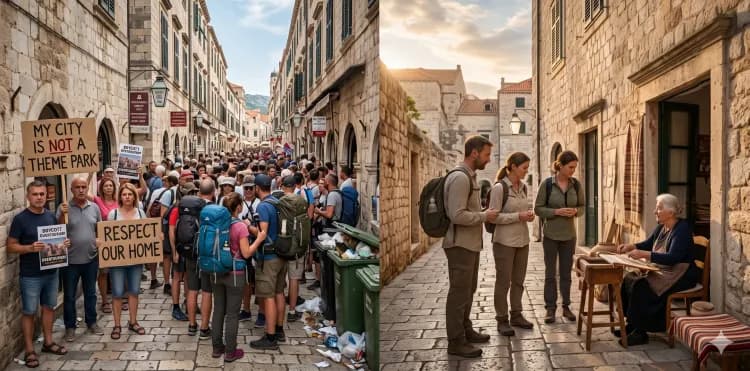
The overtourism impact on local communities can lead to housing shortages, inflated prices, and cultural erosion. Cities like Barcelona and Venice have already implemented restrictions to control tourist numbers, while others have introduced tourism taxes to manage visitor impact. Some travellers opt to avoid overcrowded destinations to support efforts in reducing strain on local resources.
While these concerns fuel the debate on whether responsible tourism means boycotting certain places, the effectiveness of such actions remains contested. The next section explores whether travel boycotts achieve meaningful change or if there are better ways to engage in ethical travel.
What to Expect in the Future of Ethical Travel
The conversation around responsible tourism is shifting, and travellers will need to adapt. After a summer of protests across popular destinations, the push for change is gaining momentum. With more regulations, rising costs, and a renewed focus on sustainable travel, your next holiday may look very different.
Stricter Regulations and Tourist Management
Destinations are rethinking how they manage visitors. From Barcelona to Norway, cities and countries are adjusting their tourism strategies to balance local needs with visitor demand. In some places, however, restrictions are tightening. Tourism taxes are becoming more common, with Venice expanding its entry fee trial and Rome considering a ticketing system for the Trevi Fountain. Elsewhere, New Zealand’s visitor tax is set to nearly triple, and Bhutan is contemplating raising its sustainable tourism fee to deter mass tourism. These measures aim to regulate visitor numbers while promoting sustainable travel.
Higher Prices and Changing Accommodation Trends
Travellers should also expect rising costs beyond just entry fees. Cruise passengers heading to Greece’s popular islands may soon face a new surcharge, while the cost of short-term rentals is also set to increase. Cities like Mallorca and Athens are cracking down on holiday rentals to ease pressure on local housing markets, making budget-friendly accommodation harder to find.
Ethical Considerations in Travel Boycotts
Travelling to destinations with questionable human rights records or environmental concerns presents a moral dilemma. While responsible tourism promotes cultural exchange and economic support for local communities, some argue that visiting such places risks legitimising or funding oppressive regimes. So, where should travellers draw the line?
1. Distinguishing Governments from Local People
A key argument against travel boycotts is that they often harm the very people they intend to protect. Many local businesses, from small guesthouses to independent artisans, rely on tourism for their livelihood. Avoiding an entire country because of its government’s actions may inadvertently cause economic hardship for communities that have little control over national policies. Ethical tourism decisions should consider how to support local economies without reinforcing harmful systems.
2. The Effectiveness of Boycotts
Boycotts can sometimes create pressure for political change, but their success depends on the situation. In countries where the tourism industry is government-controlled, like North Korea, withholding tourism revenue might send a strong message. However, in places with diverse and independent tourism sectors, a travel boycott may have little impact on leadership while devastating small businesses. Understanding the overtourism impact and the flow of tourism revenue is essential before making a decision.
3. Alternative Approaches to Ethical Travel
Rather than avoiding destinations entirely, travellers can focus on sustainable travel choices that minimise harm and maximise positive impact. This includes:
● Staying in locally-owned accommodations.
● Avoiding unethical attractions (e.g., captive animal tourism).
● Supporting human rights organisations and conservation efforts.
4. The Role of Awareness and Advocacy
Travelling to controversial destinations does not mean turning a blind eye to injustices. Ethical travellers can use their experiences to raise awareness about local issues, engage in meaningful conversations, and amplify the voices of those affected. When done responsibly, tourism can be a tool for education, cultural understanding, and even advocacy.
As the debate around responsible tourism continues, travellers must weigh their values against the realities on the ground. The key is not just where we go, but how we travel—and ensuring our choices align with the change we hope to see in the world.
Alternatives to Travel Boycotts
Choosing to visit a destination with ethical tourism decisions in mind can lead to meaningful, positive impact. Rather than avoiding a country entirely, travellers can take steps to ensure their presence benefits local communities while minimising harm. Here are some ways to make travel more ethical and sustainable in these situations.
1. Engage in Meaningful Conversations
Travel fosters cultural exchange, and thoughtful discussions can encourage new perspectives for both travellers and locals. Exposure to different viewpoints—especially in regions where ideological shifts may be slow—can lead to gradual, grassroots change. However, it is important to approach such conversations with respect, listening as much as sharing, rather than imposing personal beliefs.
2. Support Local Businesses
One of the most effective ways to counteract the overtourism impact of large corporations or government-run tourism is to spend money where it directly benefits communities. Choosing locally owned guesthouses, restaurants, and tour operators ensures that your travel funds support individuals rather than state-controlled enterprises.
3. Contribute to Local Needs
In some countries, travellers can make a difference by bringing essential supplies such as school materials, hygiene products, or medical essentials. However, this should be done thoughtfully—researching what is genuinely needed and ensuring donations go through reputable channels to avoid creating dependency or disrupting local economies.
4. Practise Ethical Wildlife and Cultural Tourism
Being mindful of the activities you support is key to responsible tourism. Avoid attractions that exploit wildlife or marginalised communities, such as elephant rides, staged "tribal village" experiences, or unethical orphanage tourism. Instead, seek out experiences that protect cultural heritage and promote conservation efforts.
5. Travel with Awareness and Advocacy
Rather than turning away from difficult realities, travellers can use their experiences to raise awareness. Sharing stories, supporting ethical travel initiatives, and spreading knowledge about human rights or environmental concerns can amplify the voices of those who may not otherwise be heard.
Final Thoughts: Should You Boycott or Not?
There is no universal answer. While travel boycotts can send a message, they do not always create change. Avoiding a destination may harm local communities more than political regimes, limiting economic opportunities for those who depend on tourism for survival.
As global tourism evolves, travellers must consider the ethical implications of their choices. Choosing sustainable travel practices, supporting local businesses, and avoiding government-run enterprises can create positive impacts without completely withdrawing from a destination. Ethical tourism is about engagement, education, and advocacy—using travel as a tool for greater understanding rather than exclusion.
The key is informed decision-making. Research destinations carefully, understand their political and social climates, and determine how your visit can contribute to positive change. Ultimately, travel should foster cultural exchange, economic support, and ethical awareness, ensuring that every journey leaves a meaningful impact beyond personal experiences.
FAQs
How can I ensure my travel money benefits local communities instead of the government?
Research locally owned accommodations, restaurants, and tour operators. Avoid state-run businesses and book directly with independent providers whenever possible.
Are there specific destinations where travel boycotts have been proven effective?
In some cases, like Myanmar before 2011, travel boycotts were effective because most tourism revenue directly benefited the government. However, in many other countries, the impact of a boycott is less clear and may hurt local people more than political leaders.
What are the risks of travelling to countries with human rights violations?
Risks can include strict censorship laws, surveillance, limited freedom of speech, and legal consequences for discussing sensitive issues. Travellers should research local laws and customs carefully before visiting.
How can I stay informed about ethical concerns in the destinations I want to visit?
Follow reports from human rights organisations (e.g., Amnesty International, Human Rights Watch), read travel advisories, and seek perspectives from independent media and local activists.
Other topics
Explore and Discover

Planning a Ski Trip Abroad? Here's Why Standard Travel Insurance May Not Be Enough
Thursday, Jul 9, 2026
While standard travel insurance covers common travel risks, it may not include winter sports-related accidents, equipment damage, or emergency mountain rescue.

Why Smart Travellers Never Skip Travel Insurance: Lessons from Real-Life Mishaps
Thursday, Jul 9, 2026
Discover why travel insurance is an essential part of every trip. Learn from real-life travel mishaps—from medical emergencies and lost baggage to flight cancellations and passport issues.

Holiday Travel Checklist: Must Have Essentials for a Stress Free Trip
Thursday, Jul 9, 2026
Planning a holiday? Stay organized and travel with confidence using this complete holiday travel checklist. From essential documents and packing must-haves to health, safety, and tech essentials, discover everything you need for a smooth, stress-free trip and enjoy your vacation without last-minute surprises.